

The Design Challenge: Achieving Visual Depth in Contemporary Spaces
Modern contemporary homes demand more than flat surfaces and neutral tones. Architects across Texas are increasingly seeking ways to add visual interest and tactile warmth to interiors without compromising clean lines or minimalist aesthetics. The challenge is creating depth and movement while maintaining the architectural integrity that defines today’s best residential design.
Fluted wood wall panels solve this problem elegantly. By introducing subtle vertical channels or grooves into wood surfaces, you create shadow play and texture that shifts throughout the day as light angles change. This dimensional quality brings an interior space to life without clutter or visual noise.
The real sophistication lies in choosing the right material and finish. Not every wood takes fluting the same way, and not every fluted panel works in every climate or application. Temperature swings, humidity, and code requirements all factor into successful execution.
What to do next: Identify which interior surfaces would benefit most from visual texture, then assess whether those spaces need to meet fire safety codes or handle significant moisture exposure.
Why Architects Choose Fluted Wood Solutions for Distinctive Interiors
Texas architects designing high-end residential projects consistently specify fluted wood because it delivers authenticity and warmth that manufactured alternatives cannot match. Unlike drywall or composite panels, real wood responds to light, develops patina over time, and tells a story through its grain and color variation.
Fluted panels also create acoustic benefits. The channeled surface breaks up sound waves more effectively than smooth walls, which matters in open-plan homes where controlling noise matters. Combined with glass and expansive windows, textured wood provides visual respite from all that transparency.
The material choice carries meaning too. Specifying locally sourced or sustainably harvested wood aligns with the values of architects who design for clients committed to environmental responsibility. We work with firms that understand their material selections reflect their design philosophy.
We consistently see fluted wood chosen for:
- Feature walls in great rooms or master bedrooms
- Accent surfaces in kitchens and bathrooms
- Soffits and ceiling panels that create intimacy in large spaces
- Architectural framing around windows and glass transitions
Each application requires different material performance characteristics, which is why material selection matters as much as the fluting pattern itself.
Action step: Schedule a consultation to discuss which interior zones will showcase your fluted panels and what functional demands those spaces place on the material.
Our Range of Fluted Panel Materials: Cedar, Hemlock, and Beyond
We stock fluted wood options across our full material range, each with distinct aesthetic and performance profiles. Clear and Vertical Grain Western Red Cedar remains the gold standard for fluted interiors. Its warm honey and amber tones deepen beautifully over time, and the tight grain structure accepts fluting crisply without tearout.
Hemlock offers a lighter, more subtle appearance with cooler undertones, making it ideal for contemporary spaces seeking restraint. Douglas Fir brings a bolder grain pattern and warm honey color that photographs exceptionally well in architecture publications.
For architects pushing toward more dramatic effects, we offer tropical hardwoods including Ipe and Cumaru. These dense woods accept deep fluting without splintering and develop rich chocolate to copper tones as they weather. The cost premium is significant, but so is the visual impact.
Cypress brings coastal warmth with natural decay resistance, making it suitable for semi-enclosed interior spaces like covered porches or breezeway ceilings that experience seasonal temperature and humidity swings.
Each species responds differently to light, accepts finishes differently, and performs differently in humidity-variable climates. Southern Yellow Pine and Poplar work well for applications where budget constraints matter more than premium aesthetics, though the softer grain structure requires more careful fluting execution.
Next step: Request material samples of three species that align with your design aesthetic, then evaluate how each responds to your project’s anticipated light conditions.
Thermally Modified Wood Options for Enhanced Durability and Aesthetics
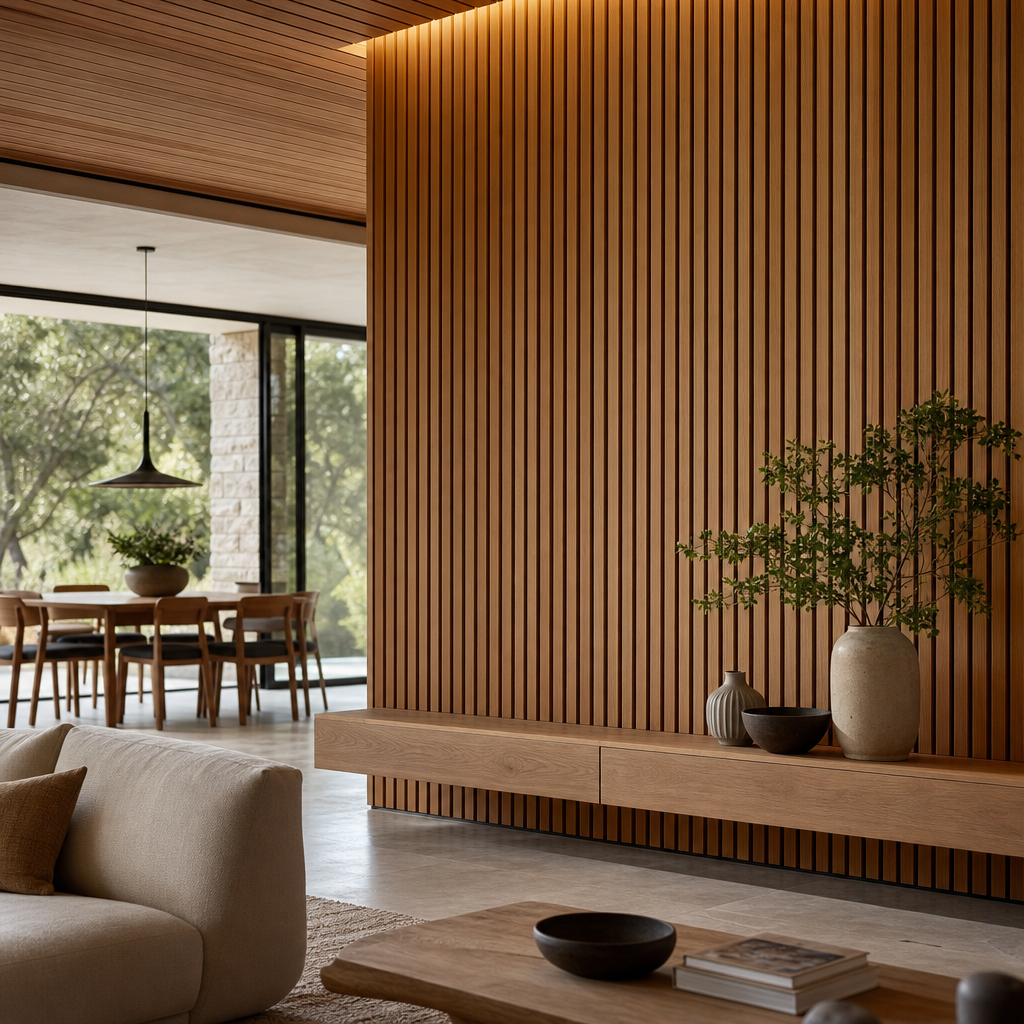
Thermally modified wood represents a significant advancement for interior fluted panels, especially in Texas climates where humidity swings and temperature extremes challenge traditional materials. The thermal modification process essentially pre-ages the wood by exposing it to high heat and controlled moisture in a kiln, stabilizing the cellular structure and reducing movement.
The aesthetic benefits are equally compelling. Thermally modified siding products deliver rich, sophisticated colors that would normally take years of weathering to develop. We stock Thermally Modified Ash, Thermally Modified Pine, Thermally Modified Poplar, and Thermally Modified Ayous, each with its own color and grain character.
For interiors, thermally modified materials provide:
- Superior dimensional stability, reducing gaps and movement in fluted channels
- Enhanced moisture resistance without chemical treatment
- Pre-weathered aesthetics that integrate beautifully with aged or reclaimed-look design palettes
- Reduced maintenance and refinishing requirements over time
The fluting process works particularly well with thermally modified stock because the pre-stabilized wood resists the checking and cracking that can occur when traditional wood experiences interior temperature and humidity cycles.
What to do next: Consider thermally modified options for high-moisture areas like bathrooms or wet-room surrounds, where dimensional stability and durability directly impact longevity.
Fire-Rated Fluted Wood Products for Code Compliance
Many Texas jurisdictions, particularly in wildland-urban interface (WUI) zones around the Hill Country, require Class A fire-rated materials for interior finishes. This used to mean choosing between code compliance and authentic wood aesthetics. We’ve eliminated that trade-off.
We supply WUI Class A fire-rated wood products specifically designed for siding, cladding, decking, and interior applications. These materials meet strict fire performance standards without sacrificing the wood character your design demands. The fire-rating comes from proprietary treatment processes that don’t substantially alter appearance or workability.
Fluted panels in fire-rated stock are particularly valuable for:
- Homes in designated WUI areas where code requires Class A interior finishes
- Commercial or high-end residential projects with stricter fire-safety standards
- Luxury custom homes where clients demand both safety and authentic materials
We work regularly with architects designing in Dripping Springs, Driftwood, Spicewood, and other Hill Country areas where fire-code requirements and modern design must coexist. The material performs beautifully both aesthetically and functionally.
Action item: Verify your project’s specific fire-code requirements early in the design phase, then we’ll recommend appropriate fire-rated fluted options that meet your aesthetic vision.
Installation Considerations and Design Flexibility
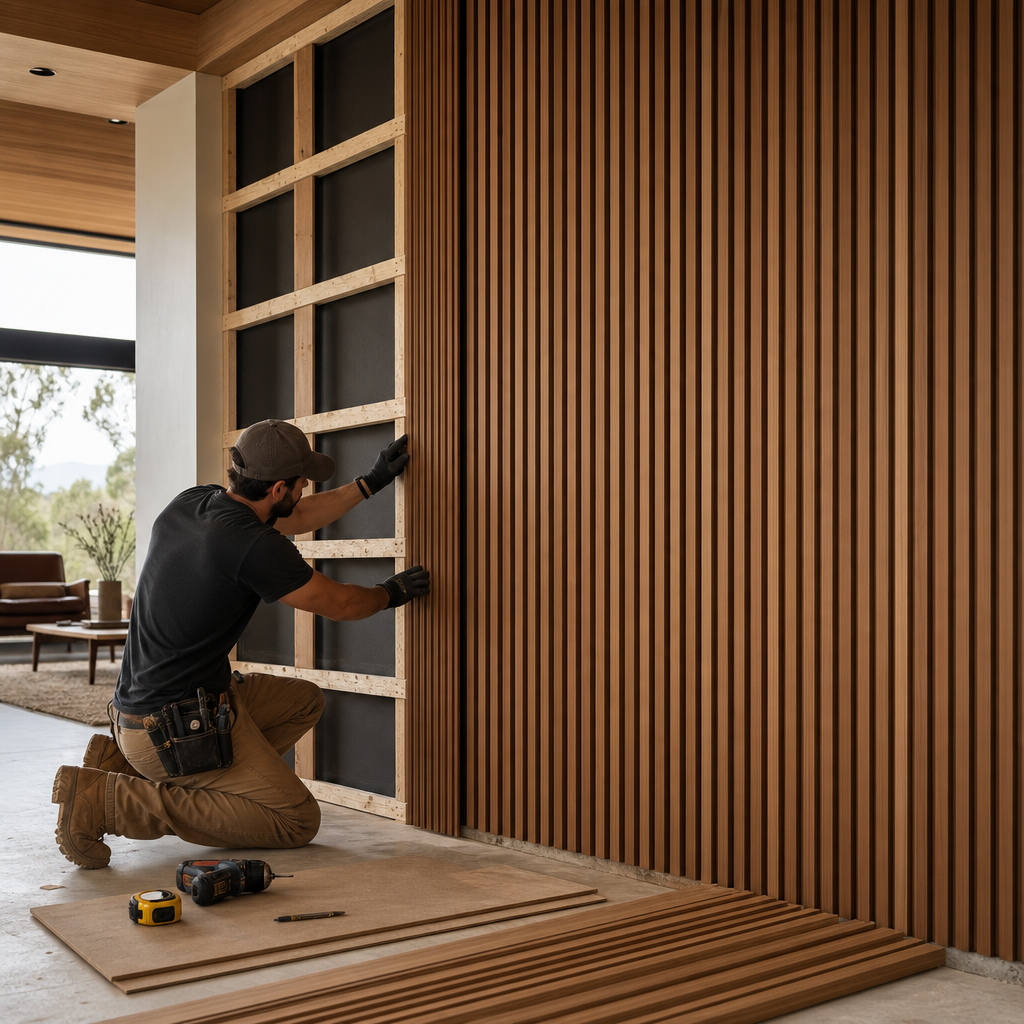
Fluted panel installation demands precision but isn’t prohibitively complex when you work with experienced installers who understand wood movement and panel alignment. We recommend battens or shadow gaps between panels to accommodate seasonal expansion and contraction, which creates an additional design layer while solving the practical challenge of wood movement.
Fluting orientation offers design flexibility. Vertical flutes emphasize height and draw the eye upward, working beautifully in great rooms or spaces with high ceilings. Horizontal fluting creates a sheltering, directional quality and can make spaces feel wider. Diagonal patterns exist but demand careful execution and premium materials.
Panel width, flute depth, and flute spacing all influence the final visual impact. Deeper flutes cast more dramatic shadows and create bolder texture, while shallow fluting delivers subtlety. We can advise on the interplay between panel dimensions, flute geometry, and how those choices interact with your interior’s lighting scheme.
Installation typically calls for solid blocking or furring strips behind the panels to ensure solid fastening without visible fasteners. The best fluted installations use concealed fastening that lets the texture dominate visually.
Your next step: Work with your builder to discuss installation methodology early, including how fluted panels will integrate with adjacent finishes, transitions to glazing, and accommodation for wood movement.
Sustainable and FSC-Certified Fluted Wood Choices
Architects designing for environmentally conscious clients increasingly specify FSC-certified materials as a visible commitment to responsible sourcing. We stock FSC-certified wood across our inventory, giving you complete freedom to specify sustainable fluted panels without compromise.
FSC certification tracks wood from harvest through milling, ensuring responsible forest management and community benefit. When you specify fluted panels from our FSC-certified stock, you’re making a transparent sustainability statement that aligns with contemporary architectural values.
Beyond certification, thermally modified woods offer their own sustainability benefit. Because thermal modification relies on heat and humidity rather than chemical treatment, modified wood requires no toxic preservatives and is fully recyclable or compostable at end of life. For architects seeking low-impact material choices, thermally modified fluted panels represent an elegant solution.
Sourcing locally or regionally whenever possible further reduces environmental footprint. We emphasize Western Red Cedar and Douglas Fir sourced from responsibly managed Pacific Northwest forests, materials that travel less distance while delivering superior performance in our climate zone.
Next action: Request FSC chain-of-custody documentation for your specified fluted panels to demonstrate sustainable sourcing to your clients or building certification programs.
Combining Fluted Panels with Glass and Natural Light
The most compelling contemporary interiors blur boundaries between interior and exterior, leveraging expansive glazing and natural light to create living spaces that feel connected to landscape and season. Fluted wood plays a crucial supporting role in this design language.
Fluted wood panels benefit tremendously from natural light. Morning and afternoon sun angles cast shadows into the flutes, creating dynamic visual movement that shifts throughout the day. In great rooms with substantial south or west-facing glazing, this interplay between light and shadow becomes a design feature rather than an afterthought.
We frequently see fluted panels specified as visual balance to extensive glass. While glass emphasizes transparency and openness, textured wood provides visual weight and warmth that prevents spaces from feeling cold or overly minimal. The contrast strengthens both elements.
Positioning fluted panels strategically matters. A fluted feature wall behind a seating area or framing a fireplace creates a backdrop that photographs beautifully and provides psychological anchoring in open-plan spaces. Fluted soffits or ceiling treatments integrate wood texture while respecting clear sightlines through glass.
What to consider: Work with your lighting designer to understand how your space’s window orientation and seasonal sun angles will interact with your fluted panel specifications.
Real Applications: How Texas Architects Use Our Fluted Wood
We’ve supplied fluted wood materials to some of Texas’s most respected architectural firms designing homes that balance modernist restraint with material warmth. The applications vary widely, but successful projects share common principles.
One Lake Travis residence used vertical-grain Western Red Cedar fluted panels as a feature wall behind a sculptural fireplace, grounding the open-plan great room while complementing expansive glass looking toward water views. The fluting created shadow depth that enriched the space without visual noise.
Another Hill Country custom home specified thermally modified ash fluted panels in the primary bedroom, selecting shallow fluting for subtle texture that wouldn’t overwhelm an intimate space. The warm gray-brown tones coordinated beautifully with the natural light conditions and adjacent exterior stone.
A Downtown Austin luxury project incorporated fire-rated fluted panels in the wine room, combining code compliance with authentic wood character that owners demanded. The fluting pattern referenced the home’s architectural language without requiring custom milling.
These real-world applications demonstrate that fluted wood solutions work across project types, budgets, and design philosophies. The material delivers when selected intentionally and installed precisely.
Action step: Request project references from architects we’ve worked with, then discuss how their material specifications solved specific design challenges.
Maintenance and Long-Term Performance of Wood Wall Panels
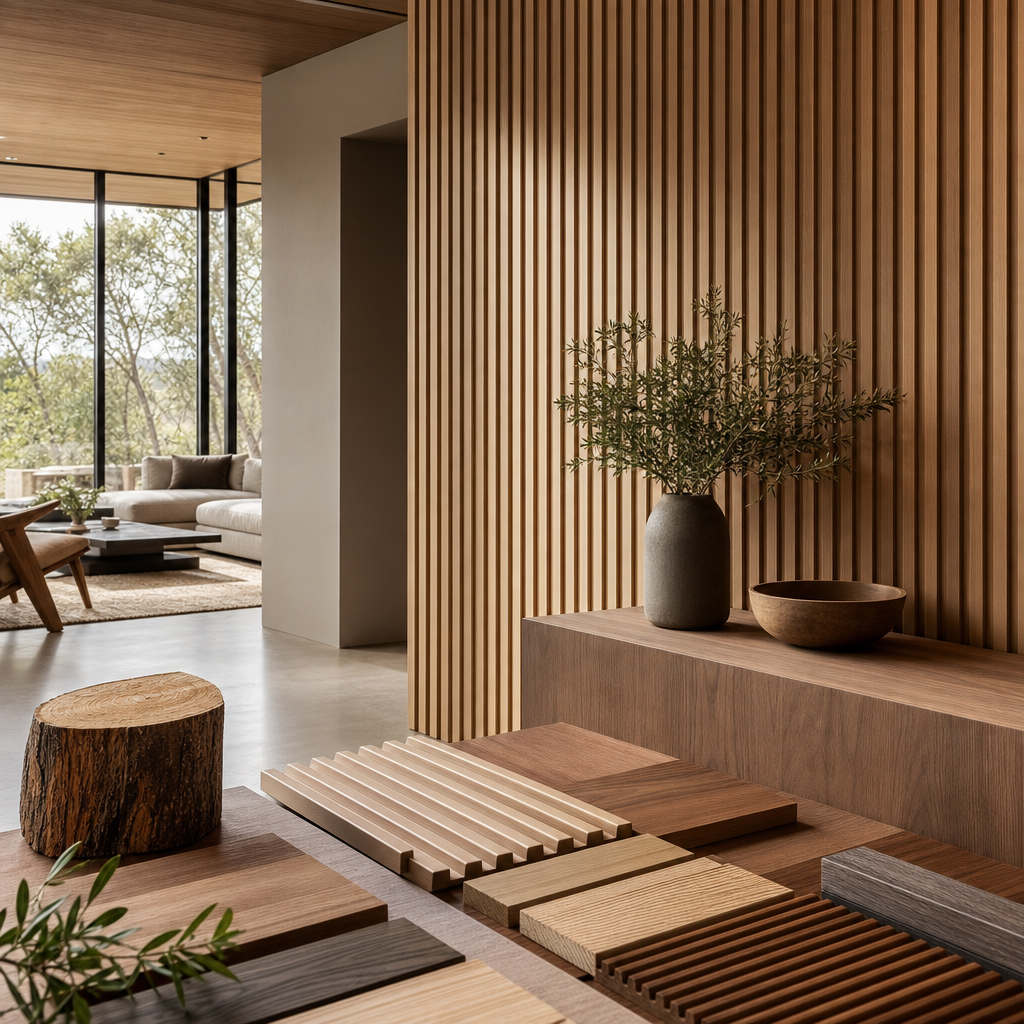
Fluted wood interiors require less maintenance than exterior wood cladding but benefit from intentional care that preserves appearance and extends life. Dust naturally accumulates in the fluted channels, so regular vacuuming with a soft brush attachment keeps panels looking fresh.
For finished fluted panels, annual inspection for water damage or finish breakdown prevents small issues from becoming major problems. In bathrooms or high-moisture zones, proper ventilation and occasional wiping of panels prevents moisture accumulation that could encourage mold or cupping.
Thermally modified fluted panels typically perform with minimal maintenance, particularly when left with natural weathering rather than finished. The thermal modification process creates stability that resists the checking and warping that plague traditional wood in variable humidity.
Traditional wood finishes on fluted panels may require recoating every 3-7 years depending on light exposure and environmental stress. We recommend discussing finish strategy with your architect and installer early, as some finishes enhance flute visibility while others minimize it.
Seasonal movement is normal and acceptable in quality wood interiors. Very slight gaps that open in winter and close in summer don’t indicate failure; they represent the material performing as intended. Planning for this movement prevents concern and maintains visual integrity.
Maintenance takeaway: Establish a simple annual inspection routine and address finish deterioration promptly rather than waiting for visible damage.
Sourcing Your Fluted Wood Panels from US Lumber Brokers
We’re Texas-based suppliers and manufacturers with direct access to premium wood products across species, grades, and specialty options. Whether you need clear and vertical-grain softwoods, tropical hardwoods, thermally modified materials, fire-rated stock, or FSC-certified selections, we maintain inventory and can mill custom fluted profiles to specification.
Our team understands the requirements of architects designing sophisticated contemporary homes. We stock materials that align with the natural-material philosophy of firms designing in the Lake|Flato tradition: authentic wood, expressive grain, warm tones, and connections between interior and landscape.
We serve all 50 states but maintain deep roots across Texas, from Austin and the Hill Country through Dallas, Houston, San Antonio, and beyond. Our local presence means faster turnaround, the ability to inspect materials in person, and relationship-based partnership rather than transactional supply relationships.
Sourcing fluted panels from us means:
- Direct access to our full inventory without middlemen delays
- Consultation with specialists who understand fluted wood performance and design application
- Custom milling capabilities if standard profiles don’t match your specifications
- Support through material selection, finishes, and performance questions
- Confidence in sustainability claims and material certifications
Reach out directly to discuss your project specifications, material preferences, and timeline. We’ll recommend the optimal fluted wood solution for your design vision and functional requirements.
To place orders, order samples, or talk with a live person.
Frequently Asked Questions (FAQ)
What wood species work best for fluted wall panels in modern Texas homes?
We stock several excellent options depending on your design vision and performance requirements. Clear and Vertical Grain Western Red Cedar offers warmth and natural character, while Hemlock provides a lighter appearance with similar workability. For projects demanding greater durability or a denser grain, we supply Douglas Fir and Cypress. If you’re targeting a contemporary aesthetic with enhanced performance, our thermally modified wood options like Thermally Modified Ash and Thermally Modified Pine deliver superior stability and a refined appearance.
Do you offer fire-rated fluted wood products for commercial or mixed-use projects?
Yes, we stock WUI Class A fire-rated fluted wood products specifically designed for siding, cladding, and interior applications where building codes require superior fire performance. These materials meet strict safety standards without compromising the visual depth and texture that define your architectural intent. We can help you navigate code requirements while maintaining the expressive wood aesthetic your design demands.
How do fluted panels perform long-term in Texas’s climate, and what maintenance do they require?
We recommend our FSC-certified and thermally modified options for superior longevity in our region’s heat and humidity fluctuations. Thermally modified wood resists cupping, warping, and moisture-related issues better than untreated softwoods. For maintenance, periodic cleaning and occasional sealing depending on your specific material and finish will keep panels performing beautifully for decades.


