

The Challenge of Creating Seamless Modern Exteriors
The finest contemporary homes rely on details that most people never consciously notice. A shadow line here, a carefully recessed gap there, and suddenly a flat facade becomes dynamic. As a premium specialty wood supplier serving Texas architects and builders, we’ve learned that gap siding details are far more than aesthetic choices. They’re structural decisions, material selections, and installation specifications that define how light plays across your exterior and how your home ages over decades.
Modern architecture celebrates minimalism and clean lines, yet paradoxically demands intentional detailing to avoid appearing flat or sterile. When architects like those inspired by Lake|Flato design homes that blur the boundary between interior and exterior, every element of the cladding system becomes part of the design narrative. A monolithic wood facade without articulation can feel heavy. Introduce the right gap details, and the same material becomes textured, layered, and compelling.
The real challenge isn’t just specifying beautiful wood. It’s sourcing material that maintains dimensional stability through Texas heat cycles, won’t cup or warp after installation, and will weather gracefully as the design intent matures. We’ve worked with architects whose visions required wood that could handle both the climate demands and the visual precision their designs demanded.
Understanding Shadow Gap and Nickel Gap Details
Shadow gaps and nickel gaps are two distinct approaches to creating visual separation between boards in siding applications, and each serves a different aesthetic.
A shadow gap is a deeper recess, typically 3/4″ to 1″ or more, routed into the back of the board or created by the siding profile itself. This depth catches shadow, creating pronounced horizontal lines across the facade. The shadow line appears dark, emphasizing the board-to-board separation. This detail works exceptionally well on vertical grain cedar or hemlock, where the grain pattern already draws the eye upward, and the horizontal shadows create rhythm.
A nickel gap is a tighter, more restrained detail, usually 1/4″ to 3/8″ wide space between boards, sometimes with a reveal routed into the board edge. It’s subtler than a shadow gap, appearing as a delicate line rather than a bold shadow. The nickel gap name comes from its resemblance to the width of a nickel coin. This detail suits contemporary minimalist aesthetics where the designer wants articulation without drama.
The choice between them hinges on your project’s visual weight and the material’s inherent character. A heavily grained Douglas fir might justify a bold shadow gap, while clear western red cedar might be better served by the refined restraint of a nickel gap.
Why Material Quality Matters in Architectural Siding
A shadow gap or nickel gap detail is only as successful as the wood beneath it. We see too many projects where architects specify a beautiful detail but source material that’s inconsistent, prone to cupping, or prone to knots that undermine the clean aesthetic the design demanded.
Board quality directly impacts gap consistency. If your cedar is prone to dimensional movement, your carefully engineered 1/4″ nickel gap will become 3/16″ or 5/16″ within a season. Knots and defects that seemed minor in the lumberyard become focal points when your design relies on visual continuity. With shadow gap applications, any cup or warp is magnified by the recessed detail—it’s where light plays and where the human eye naturally focuses.
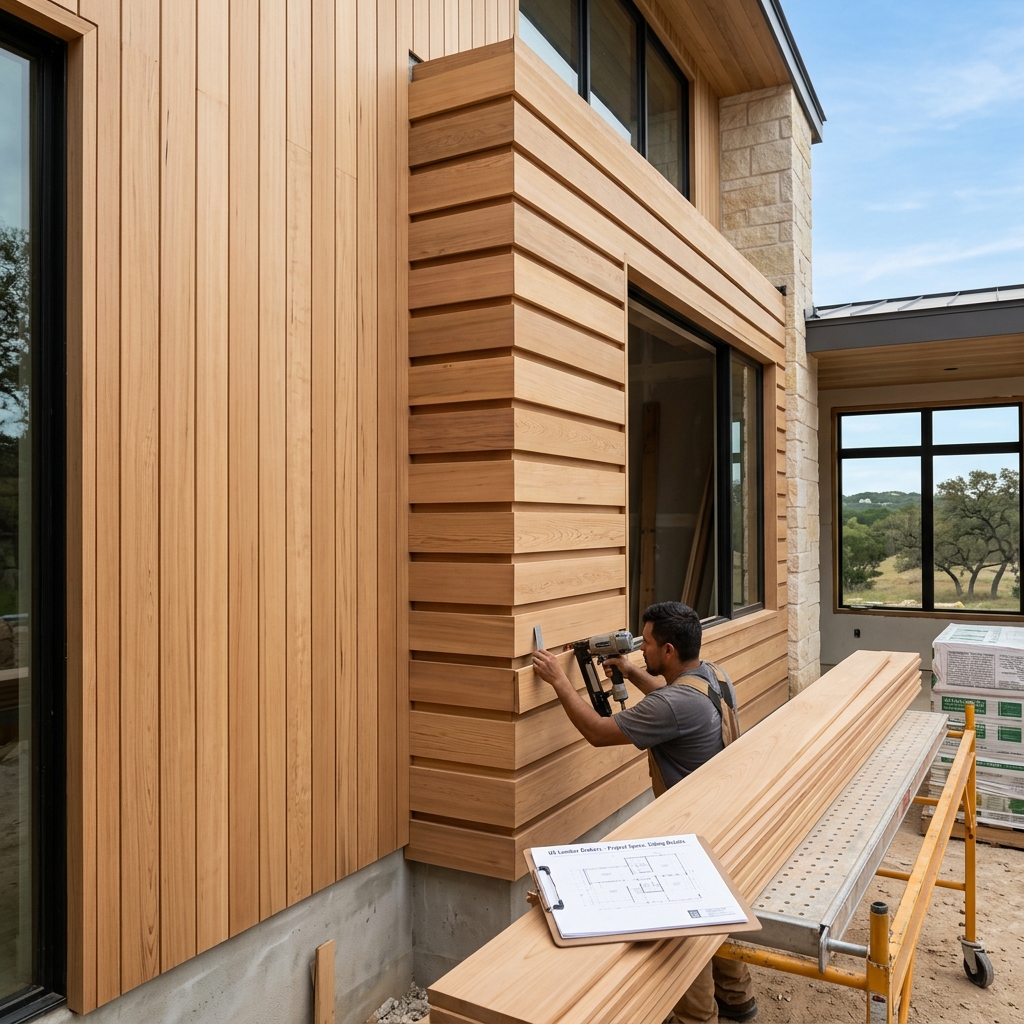
This is why we prioritize vertical grain and clear grades for gap siding applications. Vertical grain cedar and hemlock have tighter, more stable wood fiber alignment, reducing cupping tendency by up to 50% compared to flat grain material. Clear grades eliminate the visual distraction of knots, letting the gap detail and board edge do the work your design intends.
Our Specialty Wood Selection for Gap Siding Applications
We maintain inventory specifically curated for architectural gap siding. Our clear and vertical grain western red cedar is sourced from mills that understand the precision architects demand. This material combines the warm, honey-to-reddish tones that contemporary design celebrates with dimensional stability that gap details require.
For projects seeking cooler tones or tighter grain character, we stock vertical grain hemlock, Douglas fir, and Yellow Cedar. Each brings distinct properties. Hemlock offers a subtle, refined appearance with minimal grain expression. Douglas fir delivers richer grain character and warmth while maintaining good dimensional stability. Yellow Cedar, less common and more distinctive, provides a pale golden tone with exceptional durability and weather resistance.
We also offer Cypress for clients drawn to its natural oil content and distinctive grain character, and Southern Yellow Pine for warmth and workability, though it requires careful specification for architectural applications given its tendency toward cupping without proper kiln-drying and acclimatization.
For each wood species, we verify grain orientation, moisture content at delivery, and grading to match your specifications. We work with mill partners who understand that “clear vertical grain” means something specific in an architect’s detail section.
Thermally Modified and FSC-Certified Options for Durability
Contemporary architecture increasingly embraces sustainability as a design principle, not an afterthought. Thermally Modified Siding represents a elegant solution for architects seeking performance, durability, and environmental responsibility in gap siding applications.
Thermally modified wood undergoes a controlled heat treatment that increases dimensional stability by 50-70% compared to untreated wood, reduces cupping and warping tendency, and extends the material’s lifespan significantly. For shadow gap and nickel gap details, this stability is transformative. Your gaps remain consistent year over year, and the boards beneath the detail don’t shift. We stock thermally modified ash, pine, and poplar in profiles and thicknesses suitable for gap siding, and we can source thermally modified cedar and hardwoods for specialized applications.
Our FSC-certified wood inventory ensures your design aligns with responsible forestry. FSC certification means the material was harvested according to strict environmental and social standards. For architects whose practices emphasize sustainability, specifying FSC-certified clear vertical grain cedar or hemlock strengthens the entire narrative around responsible material selection.
Fire-Rated Wood Solutions for Texas Building Codes
Texas wildland-urban interface (WUI) regulations require Class A fire-rated exterior materials in certain jurisdictions and elevations. Austin’s building code, for example, has specific WUI fire-rated requirements for properties above certain elevations and in fire-prone areas. Many architects assume fire-rated requirements mean sacrificing wood as an exterior material in favor of composite or fiber cement alternatives.
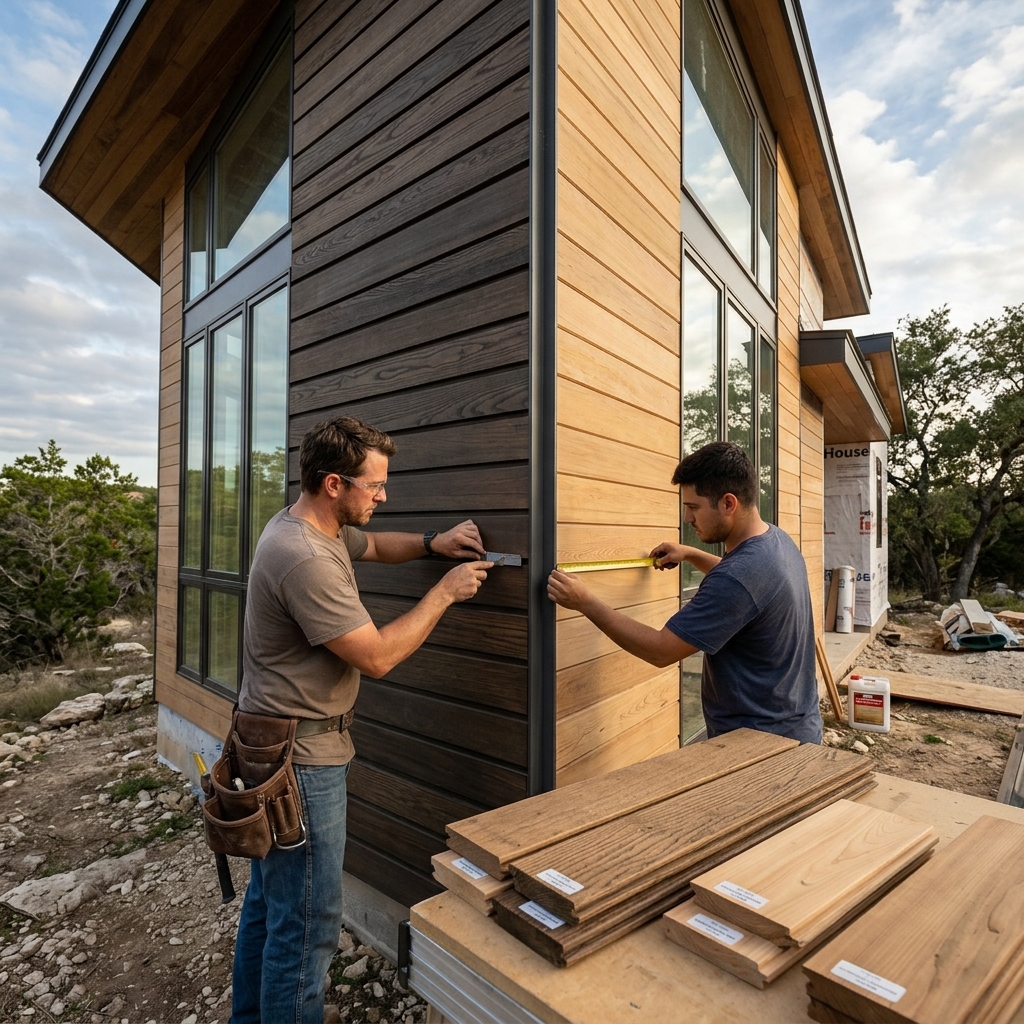
We supply WUI Class A fire-rated wood products specifically engineered for gap siding applications. These treated wood products meet the stringent fire-performance requirements while maintaining the warmth, character, and tactile quality of natural wood. The treatment process is transparent enough that grain character remains visible and beautiful. For architects committed to wood exteriors in fire-rated zones, we can deliver material that satisfies both design intent and code requirements.
Sourcing Premium Western Red Cedar and Vertical Grain Softwoods
Western red cedar is the gold standard for gap siding, and for good reason. Its natural stability, warm tone, and refined grain character make it ideal for contemporary applications where gap details are central to the design. We source our clear vertical grain western red cedar from mills in the Pacific Northwest that specialize in architectural grades.
Vertical grain matters more than casual observers realize. It means the annual rings are oriented nearly perpendicular to the face of the board, which dramatically improves dimensional stability. Flat grain cedar, by contrast, will cup noticeably over time, and gap consistency suffers. We verify grain orientation visually and through mill certifications before material arrives at our facility.
Our inventory also includes premium hemlock and Douglas fir from suppliers who understand architectural specifications. These materials cost less than cedar while delivering comparable performance and distinctive character. Douglas fir, in particular, develops a beautiful weathered gray patina that complements contemporary design aesthetics.
Hardwood Alternatives for Distinctive Contemporary Designs
Some architects push beyond softwood conventions, specifying tropical hardwoods or domestic hardwoods for their distinctive grain, durability, or aesthetic impact. We maintain a full line of hardwoods suitable for gap siding: Ipe, Cumaru, Garapa, Massaranduba, and Tigerwood.
These materials offer dramatic grain patterns, rich color palettes, and exceptional durability. Ipe, for instance, is nearly as hard as stone and resists weathering and decay with minimal maintenance. Its deep, warm brown tones and straight grain work beautifully with shadow gap details. Cumaru and Garapa offer similar durability with slightly different color profiles. Tigerwood delivers striped grain patterns that are visually striking and immediately distinctive.
The trade-off with hardwoods is cost and workability. Ipe and similar tropical hardwoods require specialty tools and experienced installers due to their density. But for signature projects where the exterior wood becomes a key design statement, hardwood gap siding can justify the investment.
Supporting Your Specifications from Design Through Installation
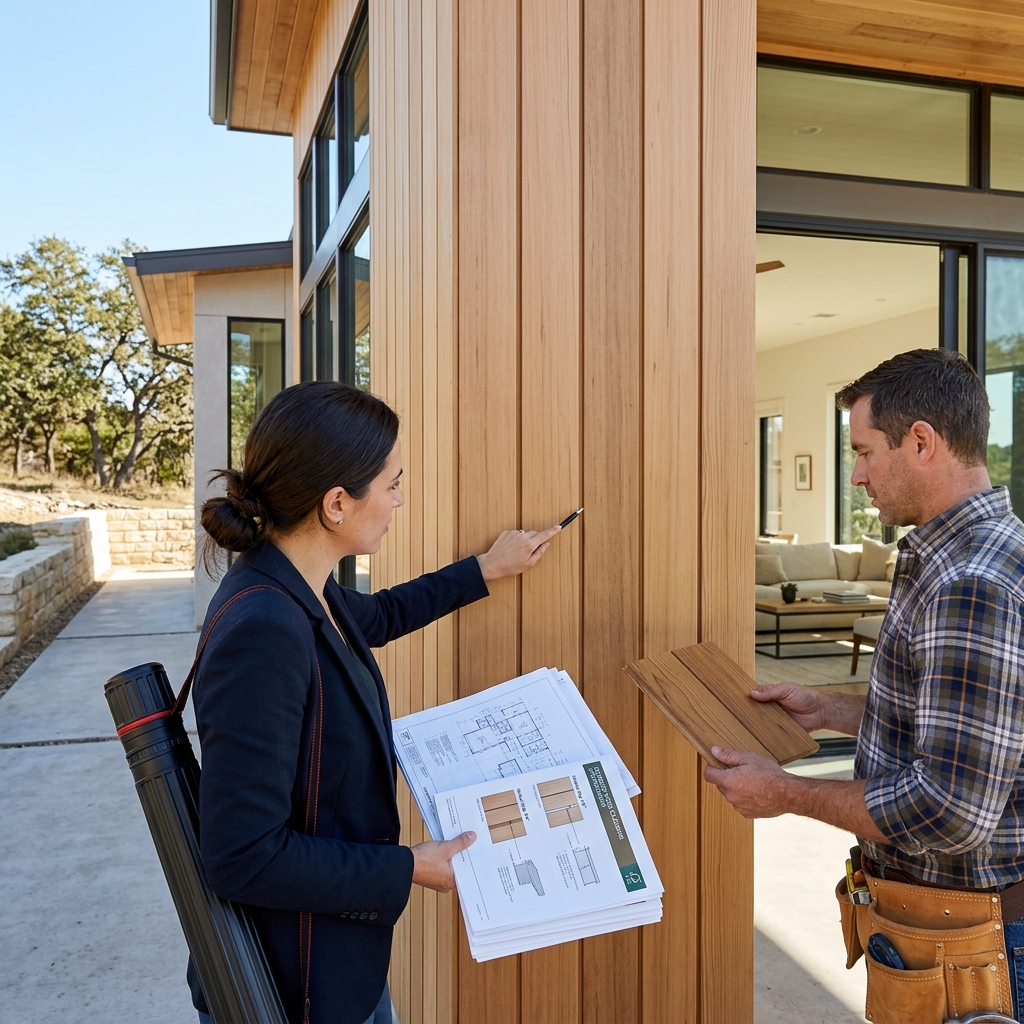
We don’t simply sell lumber. We partner with architects and builders to ensure your gap siding specifications translate accurately from detail sections to the completed facade. This means we provide mill certifications verifying vertical grain orientation, clear grade, and moisture content. We offer material samples so you can evaluate color, grain, and finish potential in actual daylight on your site. We coordinate with your installer to discuss board profiles, fastening methodology, and acclimatization protocols that ensure gap consistency.
For projects using thermally modified wood or fire-rated products, we provide technical data and performance documentation. For hardwood specifications, we connect you with installers experienced in fastening dense material without splitting or checking. We also advise on finish systems. Some architects choose to allow natural weathering, while others specify transparent or semi-transparent stains. The finish choice significantly impacts the material’s long-term appearance and performance.
Creating Warm, Light-Filled Spaces with Intentional Details
The finest contemporary homes succeed because architects understand that every detail serves the larger design. Shadow gaps and nickel gaps aren’t decorative flourishes. They’re instruments that control how light moves across your facade throughout the day. Morning sun hits at a low angle, casting deep shadows through shadow gap details. Afternoon light washes across the boards differently, revealing the wood’s grain and tone. Evening light grazes the nickel gaps, suggesting restraint and refinement.
This interplay between material, detail, and light is why material selection matters so profoundly. A flat grain cedar that cups and moves will disrupt this choreography. Inconsistent board width or grade creates visual noise where your design intended visual rhythm. Premium material, clear grading, vertical grain orientation, and dimensional stability create the conditions for your design intent to fully realize.
We’ve built our practice around serving architects and builders who understand that exceptional homes are built on precision at every scale. When you’re ready to source material for gap siding applications, let’s discuss your project specifics. We’ll help you evaluate whether shadow gaps or nickel gaps better serve your design, which wood species will deliver the performance and aesthetics you’re seeking, and how to specify and procure material that maintains consistency from design through completion.
Contact us to discuss your next project. We’re here to help your contemporary Texas home achieve the warm, light-filled, beautifully detailed exterior that architect-driven design deserves.
To place orders, order samples, or talk with a live person.
Frequently Asked Questions (FAQ)
What wood species do we recommend for shadow gap and nickel gap siding in contemporary designs?
We stock premium softwoods specifically suited for gap siding applications, including Clear and Vertical Grain Western Red Cedar, Hemlock, Douglas Fir, and Cypress. For architects seeking distinctive aesthetics, we also supply hardwood options like Ipe and Garapa that develop striking patinas over time. Our thermally modified wood products such as Ash and Pine offer enhanced stability and durability while maintaining the clean lines that gap detailing requires.
How do we ensure our siding materials meet Texas fire code requirements?
We maintain inventory of WUI Class A fire-rated wood products across siding, cladding, and decking applications, meeting the stringent building codes required in Texas. Our FSC-certified options provide both fire performance and environmental responsibility without compromising the architectural expression your designs demand. We can guide your specifications to align material selection with local jurisdictional requirements throughout Texas.
Can we source materials that support both your design vision and project timelines?
We manufacture and distribute our own inventory across all 50 states, which allows us to respond quickly to architect specifications rather than relying on distant suppliers. Whether you need vertical grain cedar, thermally modified species, or premium hardwoods for gap siding applications, our direct sourcing capabilities mean we work directly with your timeline and design requirements from specification through delivery.


