

The Challenge of Coordinating Complex Millwork in Contemporary Architecture
When architects design contemporary homes that celebrate natural materials and expressive wood detailing, the vision hinges on one critical detail that’s often overlooked until it’s too late: coordinating door and window jambs with the surrounding architectural vocabulary. We’ve seen countless projects where beautiful siding, cladding, and interior finishes fall apart at the opening because the jamb specification doesn’t align with the overall material strategy.
The problem is layered. Contemporary design demands visual continuity. A floor-to-ceiling window frame that transitions awkwardly to standard trim breaks the seamlessness the architect intended. Door jambs that don’t match the wood species, grain character, or finish of adjacent millwork create visual fragmentation. And when you’re working across multiple openings, different exposures, and performance requirements, the variables multiply quickly.
We work with Texas architects regularly who specify homes where every material choice reflects intentional design thinking. That rigor can’t stop at the threshold. The jamb coordination becomes foundational to executing the architect’s vision.
Why Standard Door and Window Jambs Fall Short of Architectural Vision
Off-the-shelf jamb stock rarely delivers what custom architecture demands. Standard lumber yards stock jambs in limited species, usually in narrow width options and basic profiles that prioritize cost over character. Many come pre-finished with glossy coatings that clash with the warm, natural aesthetic contemporary Texas homes pursue.
Here’s what we observe in practice. An architect specifies clear grain Western Red Cedar for exterior siding to achieve a particular visual warmth and wood character. Then a builder grabs standard pine jambs to save cost. The interior face of the window frame now contradicts the exterior expression. The grain pattern is different. The color shifts. The finished home signals compromise rather than intentionality.
Performance gaps compound the problem. Standard jambs often lack the dimensional stability of thermally modified or select-grade materials. In Texas climate cycles, movement and warping undermine the precision required for flush, gapless installations. Fire-rated applications add another layer, and most stock options don’t meet Class A standards required in wildland-urban interface zones across the Hill Country and beyond.
The jamb is never “just trim.” It’s the interface between framing and finish, between performance and aesthetics, between the architect’s vision and the occupant’s daily experience.
Understanding Jamb Integration in Expressive Wood Design
Seamless jamb integration requires thinking of the opening as a complete spatial moment rather than a frame around glass. The jamb width, species, grain orientation, and finish must create visual continuity with adjacent wall planes, casing treatments, and interior or exterior elevations.
In the homes we supply materials for across Austin, Dallas, Houston, and the Hill Country, successful projects treat jambs as part of a coordinated material palette. If the exterior expression features vertical grain Douglas fir siding, the window jamb face visible from outside should reflect the same grain character and species. If interior casing uses select Hemlock with a clear finish, the jamb should complement that aesthetic rather than contradict it.
Grain direction matters more than many builders realize. Vertical grain wood creates a specific visual rhythm that’s part of the contemporary aesthetic. Flat or quarter-sawn jambs sitting next to vertical grain cladding will read as disconnected, even if the species matches. Architects like those working in the Lake|Flato tradition understand this intuitively; we help specify the materials that realize it.
The depth and width of jambs also affects visual expression. A 1.25-inch standard jamb can feel thin and insubstantial in a substantial opening. Custom depth options allow jambs to feel integrated rather than applied, creating the sense that the opening belongs to the wall rather than punching through it.
Our Approach to Custom Millwork Specification and Supply
We treat jamb specification as an extension of the architect’s overall material strategy. Our process starts with understanding the complete elevations, casing details, and material palette before recommending jamb stock.
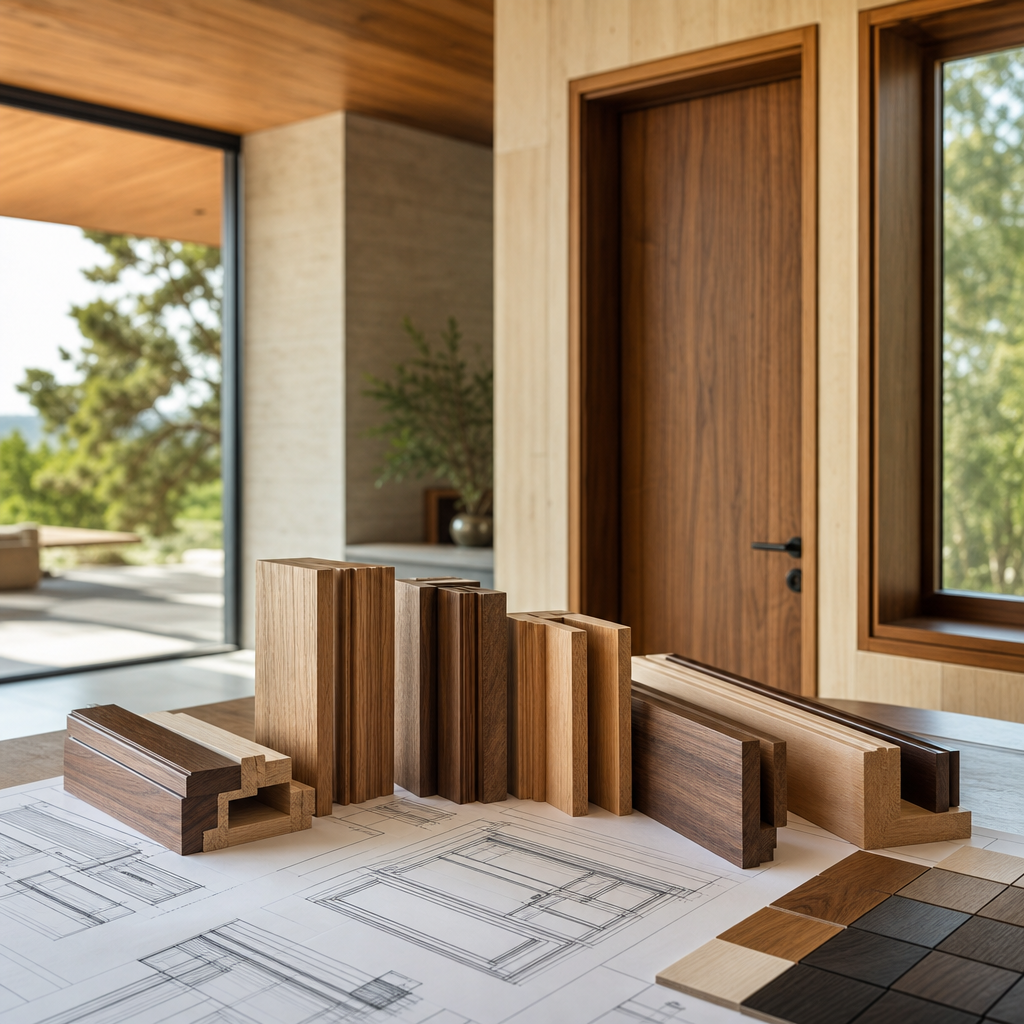
Here’s how we typically structure it. We review the architectural drawings to identify every opening and its exposure context. We ask: Is this opening visible from the primary living spaces? What materials surround it? What performance requirements apply? Does the location trigger fire-rated material specifications? Are there finish constraints based on existing interior design?
From there, we recommend species, grain characteristics, and dimensions that create seamless visual continuity. If the project calls for thermally modified wood elsewhere, we often recommend thermally modified jambs to ensure consistent movement characteristics and color stability. If exterior fire-rated applications are needed, we specify Class A approved species that meet both aesthetic and code requirements.
We stock a full range of premium species specifically for this kind of architectural coordination: Clear and Vertical Grain Western Red Cedar, Yellow Cedar, Hemlock, Douglas Fir, Cypress, and Southern Yellow Pine for softwood applications. Our hardwood inventory includes Ipe, Cumaru, Garapa, Massaranduba, and Tigerwood when durability and bold grain character serve the design intent.
Doors and Windows are another critical element we coordinate with jamb selection to ensure the frame assembly works as an integrated system.
Selecting Premium Wood Species for Seamless Coordination
Species selection is where material strategy becomes design reality. Each species brings distinct grain character, color range, and movement characteristics that affect how jambs perform and read visually.
Clear grain Western Red Cedar remains a go-to for contemporary projects because it delivers that warm, light aesthetic Texas architects value. The natural color range is forgiving, and the wood planes cleanly to produce smooth, expressive grain. Vertical grain Cedar jambs feel authentic and perform well across most Texas climates.
Hemlock offers tighter, more subtle grain for architects seeking understated elegance. Douglas Fir brings stronger character and deeper color, creating visual weight when the design calls for it. Cypress, historically prized in humid environments, performs beautifully in wet locations and exterior applications where jambs experience splash-back.
For hardwood applications, Ipe and Cumaru provide durability and rich chocolate tones that complement contemporary interiors. Garapa and Massaranduba offer warmer grain character with excellent stability. These species are ideal for high-traffic interior locations or exterior applications where the jamb is fully exposed and visible.
Match the species to the exposure and the design intent. A protected interior jamb cased with select Hemlock and clear finish demands one approach. An exterior jamb visible from primary living spaces might require Vertical Grain Douglas Fir or Cedar. An exposed, high-performance deck jamb at a sliding glass door might need the durability of Ipe.
Thermally Modified and Class A Rated Options for Performance and Aesthetics
Thermally Modified Woods solve a problem that builders and architects face repeatedly: achieving visual warmth while meeting performance standards that climate and code demand.
Thermally modified material undergoes a heat-treatment process that increases dimensional stability and naturally darkens the wood. Thermally Modified Ash, Pine, and Poplar all perform excellently as jamb stock. The treatment reduces movement caused by humidity fluctuations, which is crucial in a climate where Texas heat dries wood, then summer monsoons add moisture back. Jambs that move cause caulk failures, gaps, and that telltale visual evidence of poor installation.
The aesthetic benefit shouldn’t be overlooked. Thermally modified wood develops a beautiful honey-to-chocolate tone that reads as intentional rather than just weathered. Many contemporary homes embrace this warmth as part of their material narrative.
Fire-rated applications introduce another consideration. In wildland-urban interface zones throughout the Hill Country and surrounding areas, WUI Class A fire-rated wood products are increasingly required. We supply Class A approved siding, cladding, decking, and framing materials that also work beautifully as jamb stock. The performance and visual aesthetics align perfectly with contemporary design principles without requiring compromise.
For projects where thermal modification and fire-rating combine, we can specify materials that meet both criteria, simplifying the supply chain and ensuring all opening materials speak the same performance and aesthetic language.
Managing Tolerances and Details Across Multiple Millwork Elements
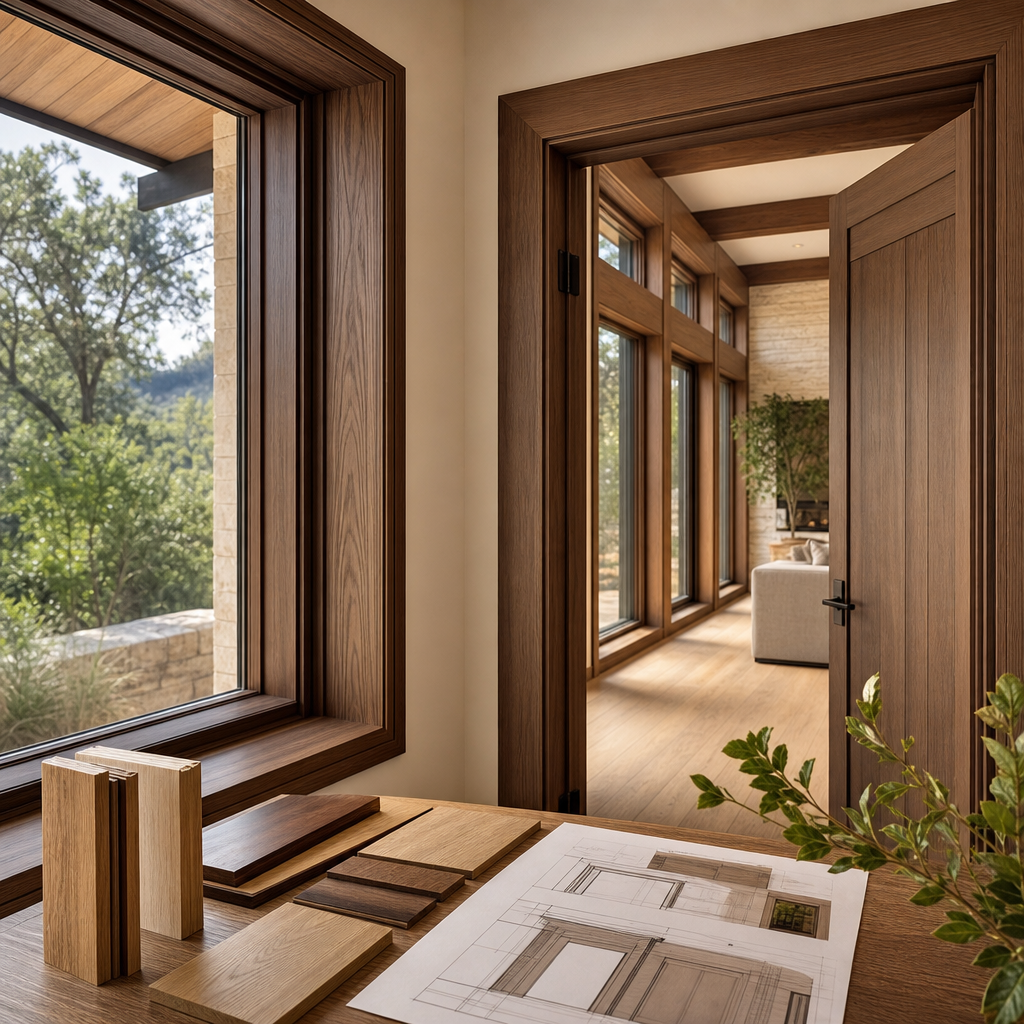
Precision in jamb millwork requires controlling tolerances across multiple elements: the rough opening, the jamb stock, the casing, and the fastening systems. Small errors accumulate into visible gaps or misaligned reveals.
We recommend working with dimensions that allow for field-fitting rather than assuming framing will be perfectly square. Standard practice calls for 1/4-inch shims to allow adjustment, but the jamb stock itself needs to arrive with consistent dimension across all pieces. Movement between pieces creates visible lines that undermine the seamless effect.
Grain continuity across jamb faces requires planning. If you’re using clear or vertical grain stock, specify which face is which (top, sides, interior, exterior). Document the grain direction on shop drawings so the mill can orient each piece correctly. A misaligned grain direction becomes immediately obvious when installed.
Width coordination matters for casing transitions. If the interior casing protrudes 3/4 inch past the jamb face, and the exterior casing is different, the jamb needs to be sized so the total assembly reads as intentional. Awkward proportions signal poor planning.
Work with your millwork supplier to establish clear specifications for dimension tolerance, grain orientation, moisture content, and finish. We build these details into every project we supply to ensure field installation goes cleanly.
Installation Guidelines for Architect-Driven Coordination
Proper installation protects the architectural intent and the long-term performance of the jamb assembly. We recommend several practices that become critical in contemporary homes where details are visible.
First, control moisture content before installation. Wood delivered to site should acclimate to the project environment for a minimum of two weeks. This prevents post-installation movement that opens gaps or warps casing.
Second, use corrosion-resistant fastening appropriate to the wood species. Softwood species often tolerate standard fasteners, but hardwoods like Ipe require stainless steel or coated fasteners to prevent staining and degradation. Document fastening specs in the installation drawings.
Third, maintain consistent reveals on all jamb faces. If the interior casing creates a 1/4-inch reveal from the jamb face, ensure the exterior and head jambs match. Inconsistent reveals create an impression of carelessness.
Fourth, finish all surfaces before installation if possible. Pre-finished jambs prevent on-site staining and ensure color consistency. If finishing on site is necessary, protect adjacent materials and apply finish in controlled sequences.
Finally, install caulking, shims, and flashing in ways that don’t telegraph through the finished wood. Poor caulk application or visible shim edges undermine the seamless aesthetic the architect designed.
Real-World Applications in Texas Contemporary Homes
We’ve supplied jamb material for projects across Austin’s Tarrytown and East Austin neighborhoods, the Hill Country around Boerne and Kerrville, and custom homes throughout Dallas and Houston where architectural rigor drives material selection.
One residential project in West Austin called for clear grain Western Red Cedar jambs throughout, with vertical grain orientation both inside and out. The architect wanted complete visual continuity between the exterior expression and interior casing. We milled jambs from select Clear V-grain Cedar, dimensioned to integrate cleanly with the custom casing the millworker was producing. The result was seamless openings that felt like they belonged to the wall rather than cut through it.
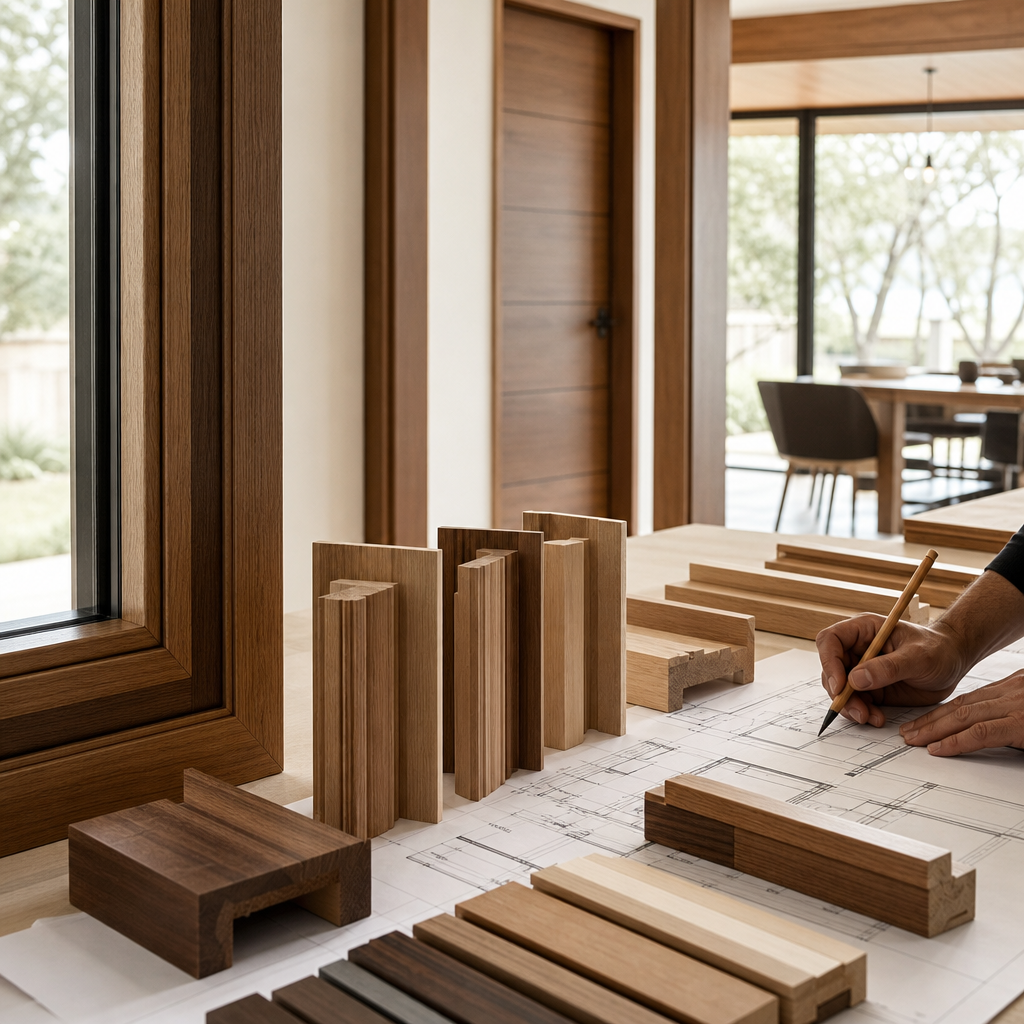
Another project near Lake Travis required Class A fire-rated jamb material for exterior doors and windows due to WUI zoning. We sourced fire-rated siding-grade material that met code requirements while delivering the warm, expressive wood character the design called for. The jambs performed the safety requirement without compromising the aesthetic intention.
An interior renovation in Downtown Austin integrated thermally modified ash jambs with clear finish to achieve visual warmth while ensuring dimensional stability in the climate-controlled environment. The material resisted color shift and maintained tight caulk lines across five years of seasonal cycles.
These projects succeed because the jamb specification wasn’t an afterthought. It was built into the material strategy from the start.
Partnering with Us for Your Next Millwork Project
When you’re specifying custom door and window jambs for an architect-driven home, you need a supplier who understands that details matter and that materials must be coordinated intentionally. We bring that discipline to every project.
Start by sharing your architectural drawings and material palette with us. We’ll review the openings, understand the design intent, and recommend species, dimensions, and finish strategies that create seamless coordination. We can source premium softwoods and hardwoods, specify thermally modified options for performance and aesthetics, and recommend Class A fire-rated materials where required.
Our inventory covers the full range of premium wood species contemporary projects demand, and we’re experienced in the architectural coordination process that separates intentional design from generic construction.
Contact us to discuss your millwork specifications. We’ll help ensure that every opening becomes a fully realized expression of the architect’s vision.
To place orders, order samples, or talk with a live person.
Frequently Asked Questions (FAQ)
How do we coordinate custom door and window jambs across multiple wood species and finishes?
We source and specify jambs that match your architect-selected wood species and grain characteristics, ensuring visual continuity throughout your project. Our team works directly with your builder and millwork contractor to establish clear tolerance specifications and finish standards upfront. We supply materials from our inventory of premium softwoods, hardwoods, and thermally modified species, allowing us to provide samples and verify color and grain alignment before fabrication begins.
What thermally modified and fire-rated jamb options do we stock for contemporary homes?
We distribute thermally modified ash, pine, and poplar jambs that offer enhanced dimensional stability and weather resistance while maintaining the aesthetic qualities architects expect. For projects requiring WUI Class A fire-rated materials, we supply and specify compliant jamb stock that integrates seamlessly with your siding, cladding, and decking selections without compromising design intent. These materials perform reliably in Texas climates while supporting the natural, expressive wood details that define contemporary architecture.
Can we help resolve jamb installation challenges when coordinating with composite decking and other exterior materials?
Yes. We provide detailed millwork specifications and material samples that clarify how wood jambs interface with composite products, metal flashings, and other adjacent materials. Our experience with projects across Austin, Dallas, Houston, and statewide helps us anticipate coordination issues and recommend solutions that maintain both performance and design authenticity on site.


