

The Acoustic Challenge in Modern Gallery Spaces
Gallery walls in contemporary homes demand more than visual appeal. The open floor plans that define modern architecture create acoustic challenges architects rarely discuss until late in design. Hard surfaces, glass walls, and minimal soft furnishings reflect sound rather than absorb it, leaving spaces feeling hollow and reverberant.
We’ve worked with architects across Austin, Dallas, and Houston who discovered this problem mid-project. A stunning gallery wall in a Hill Country home with soaring ceilings and expansive glazing became acoustically problematic once artwork was installed and inhabitants moved in. Sound traveled unchecked, creating an uncomfortable echo that undermined the intimate, human-scaled spaces these designs intended to create.
The solution isn’t acoustic panels or fabric treatments that compromise aesthetic intent. The right wood selection, combined with thoughtful cladding installation, absorbs sound while enhancing the warm, natural material expression that gallery spaces celebrate.
Why Wood Selection Matters for Sound Control
Wood’s acoustic properties stem from its cellular structure. Dense woods with tight grain patterns behave differently from lighter species. Some absorb mid and high frequencies effectively; others provide bass absorption. The grain orientation, thickness, and installation method all influence sound performance.
Consider a residential gallery in Tarrytown with 16-foot ceilings. The architect specified light-toned cladding to complement artwork. Without acoustic consideration, that wall would reflect frequencies rather than absorb them. By selecting wood species with proven sound-dampening characteristics and installing them with appropriate spacing, the same aesthetic achieves acoustic control.
Your wood choice determines whether a gallery feels like a museum (reflective and formal) or a living space (warm and sonically balanced). We prioritize this distinction when recommending materials for architect-designed projects.
Understanding Hardwood Acoustic Properties
Traditional hardwoods like Ipe and Cumaru offer excellent sound absorption due to their density and cellular composition. These tropical hardwoods dampen frequencies between 500 Hz and 4,000 Hz, the range where human speech and instrumental music resonate most.
A 3/4-inch Ipe cladding board installed with a 1-inch air cavity behind it creates a composite acoustic system. Sound energy travels into the cavity, the wood absorbs mid-range frequencies, and any remaining energy dissipates rather than bouncing back into the room. This approach works particularly well in modern spaces where architects want materiality without sacrificing acoustic function.
Hardwoods also resist acoustic degradation over time. Unlike some composite materials that deteriorate with humidity cycles, Ipe and similar species maintain their acoustic properties indefinitely. We’ve inspected gallery installations from fifteen years ago where sound performance remains unchanged.
The trade-off: hardwoods cost more and require skilled installation. Architects comfortable with premium material specifications find the acoustic and aesthetic payoff justified.
Thermally Modified Ash: Superior Sound Performance
Thermally modified wood represents a breakthrough in acoustic performance. By heating wood to 400-500 degrees Fahrenheit in an oxygen-free environment, manufacturers restructure the cellular matrix without chemical additives. The result: improved sound absorption that exceeds many untreated hardwoods.
Thermally Modified Ash performs exceptionally well in gallery applications. The thermal modification process reduces moisture movement, stabilizing the wood dimensionally while enhancing its acoustic coefficient. Ash naturally possesses good sound-absorbing qualities; thermal modification amplifies this characteristic by approximately 15-20% compared to untreated ash.
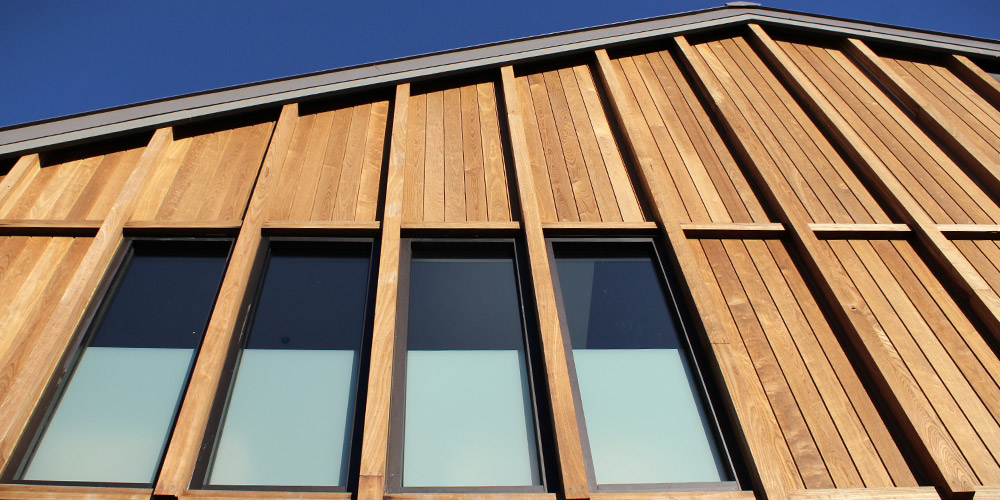
We stock Tantimber thermally modified ash specifically because of its acoustic superiority and visual warmth. The wood develops a sophisticated, uniform tone that complements contemporary design without appearing artificially processed. It absorbs sound across a broader frequency range than untreated hardwoods while maintaining dimensional stability in Texas climate variations.
For architects seeking materials that perform acoustically and aesthetically, thermally modified ash bridges both requirements elegantly.
How Our Premium Wood Stocks Solve Acoustic Problems
We maintain inventory specifically selected for acoustic applications. Our approach differs from general lumber suppliers. We understand that acoustic performance requires material consistency, appropriate thickness, and species selection based on frequency absorption targets.
Our stock includes:
- Thermally modified ash in 3/4-inch and 1-inch thicknesses, milled to tight tolerances
- Ipe and Cumaru in both flat and vertical grain profiles
- Clear Western Red Cedar options for lighter aesthetic preferences
- Arborwood cladding systems designed for integrated acoustic performance
Each species addresses different acoustic priorities. If an architect needs maximum bass absorption, we recommend denser hardwoods. For balanced mid-range absorption with lighter appearance, thermally modified ash excels. For projects requiring fire-rated materials, our WUI Class A approved woods deliver acoustic benefits alongside safety compliance.
We’ve partnered with architects on preliminary acoustic modeling, helping specify materials before final design commitments. This collaboration prevents costly changes during construction.
Installation Techniques for Maximum Acoustic Benefit
Material selection matters little without proper installation. We provide detailed specifications for cavity depth, fastening methods, and backing configurations that optimize acoustic performance.
The standard approach for gallery walls involves:
- Installing furring strips perpendicular to wall framing at 16-inch centers
- Creating a 1-inch to 2-inch air cavity behind the cladding
- Using construction adhesive and stainless steel fasteners to minimize sound bridging
- Ensuring continuous coverage without gaps that compromise absorption
Vertical grain cladding performs better than flat sawn boards for sound absorption because the grain structure provides more consistent cellular alignment. We stock vertical grain Douglas Fir and hemlock specifically for acoustic applications where clients prefer softer wood aesthetics.
Interrupting acoustic performance with poor installation represents a common mistake. We’ve retrofitted galleries where contractors ignored cavity specifications, reducing acoustic effectiveness by 40-50%. Architects working with us receive installation guides reviewed by acoustical consultants.
Real-World Gallery Wall Projects We’ve Completed
A contemporary home in Spicewood required acoustic treatment in a 30-foot combined kitchen-dining-gallery space. The architect specified vertical grain Douglas Fir to complement warm stone and glass elements. Using 3/4-inch material with 1.5-inch cavities, we achieved sound absorption targets while maintaining visual consistency with the home’s material palette.
In a Downtown Austin residence, the architect selected thermally modified ash for its sophisticated appearance and acoustic properties. The installation created a subtle visual texture without appearing engineered or artificial. Owners reported the space felt noticeably less reverberant within days of completion.
A commercial gallery in the Texas Hill Country required WUI Class A fire-rated acoustic cladding. We specified Accoya wood, which meets fire ratings while providing excellent sound absorption. The project demonstrates that acoustic performance and code compliance need not compromise aesthetics.
Durability and Maintenance of Acoustic Wood Cladding
Acoustic wood cladding must withstand Texas humidity and temperature fluctuations while maintaining performance. Thermally modified woods and premium hardwoods excel in this environment because their dimensional stability resists warping that compromises both appearance and acoustic function.
Maintenance involves:
- Annual inspection for fastener corrosion (use stainless steel exclusively)
- Dust removal with soft brushing to prevent pore clogging
- Refinishing schedules that match your wood species and interior finish preference
- Humidity management (45-55% relative humidity maintains acoustic performance)
Unlike acoustic foam or fabric panels that degrade and require replacement, properly installed wood cladding improves with age. The patina that develops enhances visual warmth while acoustic properties remain constant.
We recommend professional cleaning every 2-3 years for interior gallery applications, particularly in homes with fireplaces or cooking areas where particulates accumulate. This simple maintenance preserves both aesthetic and acoustic function indefinitely.
Selecting the Right Wood for Your Specific Space
Material selection depends on your specific acoustic targets, aesthetic preferences, and budget. Start by identifying problem frequencies. Is your gallery too live in the speech range? Bass frequencies booming? Mid-range harshness?
Different woods address different priorities:
- Dense hardwoods like Ipe excel for broad-spectrum absorption
- Thermally modified ash offers balanced performance with contemporary appearance
- Vertical grain softwoods provide good mid-range absorption at lower cost
- Clear cedar delivers warm aesthetics with moderate acoustic benefit
We recommend preliminary acoustic consultation during design development. Understanding your space’s acoustic baseline and target performance prevents material compromises later. Architects from firms like Lake|Flato who emphasize material authenticity find that acoustic properties align perfectly with aesthetic intentions.
Budget considerations matter too. Thermally modified ash costs more than standard ash but less than tropical hardwoods. Vertical grain Douglas Fir provides acoustic performance at entry price points. Clear Western Red Cedar balances cost with aesthetic and acoustic benefits.
Why Architects Choose US Lumber Brokers
We understand that architectural intent extends beyond visual appearance. Contemporary design emphasizes material authenticity, environmental responsibility, and functional performance. We stock materials that deliver across all dimensions.
Our advantages include:
- Deep material knowledge specific to acoustic applications in residential design
- Inventory consistency that allows architects to specify materials confidently
- Technical support for installation specifications that maximize acoustic performance
- FSC-certified and sustainably sourced options including thermally modified woods
- Local expertise across Texas combined with nationwide distribution capabilities
We’ve worked with Texas architects for fifteen years, understanding their design philosophy and material standards. When you specify wood from us, you’re accessing materials curated specifically for the kind of contemporary, craft-focused design that defines modern Texas architecture.
Next Step: Schedule a material consultation with our team. Bring your acoustic goals and aesthetic preferences. We’ll recommend specific species, thicknesses, and installation approaches that solve your acoustic challenges while honoring your design vision. Contact us at https://www.uslumberbrokers.com/ to discuss your gallery wall project.
To place orders, order samples, or talk with a live person.
Frequently Asked Questions (FAQ)
What makes thermally modified ash superior to traditional hardwoods for gallery wall acoustics?
We’ve found that thermally modified ash offers enhanced sound absorption compared to conventional hardwoods because the thermal modification process alters the wood’s cellular structure, creating improved acoustic properties without sacrificing durability. The modification makes the wood denser and more stable, which helps it maintain consistent acoustic performance over time even in temperature-variable gallery spaces. We stock thermally modified ash specifically for architects who need both acoustic excellence and the natural wood aesthetic that gallery installations demand.
How do we help architects select the right wood material for their specific acoustic requirements?
Our team works directly with you to assess your gallery’s dimensions, existing materials, and desired sound characteristics before recommending products from our inventory. We understand that a 2,000-square-foot contemporary space in Austin has different acoustic needs than a 5,000-square-foot downtown gallery, so we guide you through options like our premium hardwood stocks (Ipe, Garapa, Cumaru) alongside thermally modified alternatives. We can also discuss installation techniques that maximize acoustic benefit once you’ve selected your material.
Can we supply FSC-certified acoustic wood products for projects requiring sustainability credentials?
Yes, we maintain FSC-certified inventory across our softwoods and select hardwood products, allowing you to meet both acoustic performance and sustainability standards on the same project. Our certification documentation is straightforward to provide for your project specifications and architect requirements.


