

Why Thermally Modified Wood Outperforms Conventional Materials for High-End Design
Thermally modified wood represents a fundamental shift in how architects approach material specification for contemporary residential projects. Unlike untreated softwoods and even pressure-treated alternatives, thermally modified wood undergoes a controlled heating process that fundamentally alters its cellular structure, delivering superior stability, color depth, and longevity without chemical additives.
For the architect designing warm, light-filled spaces that blur the boundary between indoors and outdoors, conventional cedar and hemlock present persistent challenges. They move seasonally, fade unpredictably under UV exposure, and require ongoing maintenance to sustain their visual character. Thermally modified wood eliminates these frustrations. The thermal process stabilizes the wood dimensionally, meaning less cupping, warping, and seasonal movement. The color shift to rich, chocolate-brown tones develops intentionally and predictably, giving your designs the authentic patina clients expect without the deterioration.
When specifying thermally modified wood for Texas architects, you’re investing in material behavior you can actually predict and control. That certainty translates to fewer field call-backs, confident long-term performance warranties, and designs that age beautifully rather than decline visibly.
Next step: Request sample specifications and durability documentation for your current project to evaluate performance data directly.
The Milling Advantage: How We Transform Raw Stock Into Architect-Specified Products
We don’t simply resell commodity lumber. We mill and manufacture custom wood products that meet your exact architectural intent. Starting with premium FSC-certified and thermally modified raw stock, our milling process transforms unfinished material into finished components ready for installation.
Our approach centers on precision and consistency. We work from your architectural drawings to mill custom profiles, dimensions, and edge details that fit seamlessly into your design vocabulary. Whether you need V-groove siding with specific reveal widths, fluted paneling with custom groove spacing, or edge-grain decking boards with hand-finished surfaces, our milling capabilities translate your vision into buildable components.
This in-house control matters enormously for high-end residential work. We can respond to design changes mid-project, provide tight tolerances that reduce field fitting, and ensure color and grain consistency across large runs. You specify the aesthetic; we deliver the precision.
Our Milling Capabilities and Material Selection
We maintain inventory in Clear and Vertical Grain Western Red Cedar, Yellow Cedar, Hemlock, Douglas Fir, Cypress, and Southern Yellow Pine. Our hardwood selection includes Ipe, Cumaru, Garapa, Massaranduba, and Tigerwood for siding, cladding, and decking applications. We also stock and mill a complete range of thermally modified species including Thermally Modified Ash, Thermally Modified Pine, Thermally Modified Poplar, and Thermally Modified Ayous.
Beyond raw material, we distribute leading composite and engineered brands including TimberTech, Trex, and Fiberon for architects who want design flexibility without the ongoing maintenance burden of solid wood. We’re also an approved Accoya supplier and dealer, offering thermally modified engineered products that combine mill precision with factory quality control.
Our milling capabilities include standard and custom profiles for siding, cladding, decking, soffits, and fascia. We can produce everything from simple tongue-and-groove and shiplap to complex fluted wall slat paneling and custom edge profiles. We also mill specialty items like timber frames, beams, and architectural elements that anchor contemporary designs.
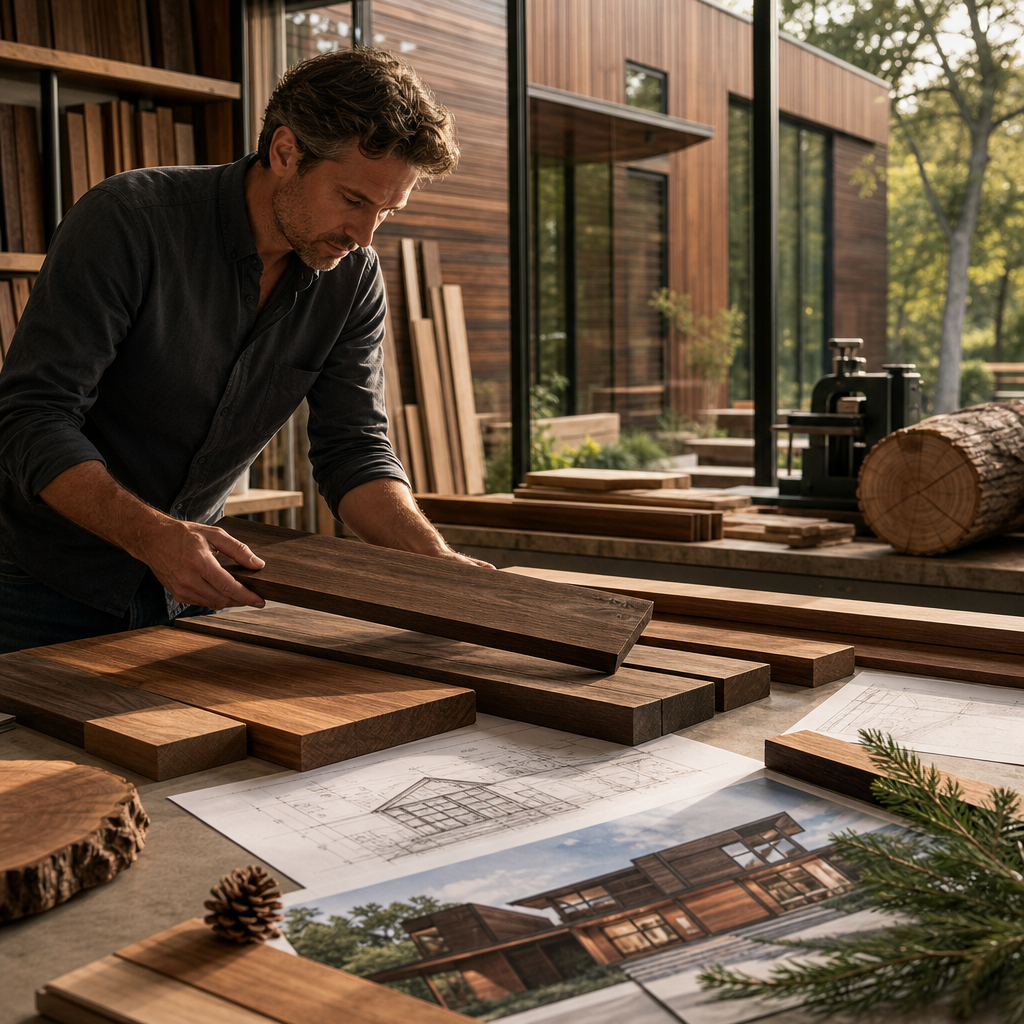
What to do next: Share your project specifications and material preferences so we can confirm inventory availability and provide detailed pricing and lead times.
Thermally Modified Species We Specialize In
Thermally Modified Ash delivers a bold, contemporary aesthetic with pronounced grain figure and natural color variation. It mills cleanly, takes custom profiles well, and develops a sophisticated gray-brown patina over time. Ideal for interior and exterior cladding where expressive grain reads as intentional design.
Thermally Modified Pine offers a lighter, softer warmth that works beautifully in modern farmhouse and contemporary-rustic vocabularies. Its straight grain and consistent color provide a clean visual backdrop for architectural detailing.
Thermally Modified Poplar appeals to architects seeking subtle, understated warmth without dramatic grain. It’s lighter in weight, easy to mill into complex profiles, and performs exceptionally well for interior paneling and accent walls.
Thermally Modified Ayous combines African hardwood character with thermally modified stability. Its warm golden-brown tone and fine texture create refined, gallery-like interiors while maintaining the dimensional stability and durability of thermally modified material.
Each species responds differently to the thermal modification process, developing distinct color progression and surface characteristics. We can provide finish samples and long-term weathering data for any species you’re considering.
Durability and Performance Benefits of Thermally Modified Wood
Thermally modified wood doesn’t require chemical treatment yet outperforms untreated wood across every durability metric. The thermal process increases density, reduces moisture absorption, and dramatically improves resistance to rot, decay, and fungal colonization. We can specify projects in high-moisture environments (covered decks, exterior soffits, landscape applications) with confidence that the material will perform for 15-25+ years with minimal intervention.
Dimensional stability is equally critical. Because thermally modified wood experiences minimal seasonal movement, it stays flat and true. This translates to tighter joints, consistent visual quality, and reduced field adjustments during installation. For architects designing flush siding or precision-fit paneling, that stability is non-negotiable.
UV exposure causes color shift in any wood, but thermally modified material shifts gradually and uniformly across an entire installation. You won’t see the blotchy fading or uneven patination that plagues untreated cedar. Instead, the wood develops a deep, sophisticated charcoal or chocolate tone that reads as intentional aging.
We provide detailed durability warranties and performance specifications for every species and application. Most of our thermally modified products carry 10-15 year warranties against rot and structural failure under normal exposure conditions.
Sustainability and FSC Certification in Our Milling Process
Thermally modified wood represents responsible material stewardship. The thermal modification process requires no chemical additives, no pressure treatment, no toxic preservatives. The wood becomes naturally durable through a controlled heating process that simply reorders cellular structure. That means no environmental persistence, no bioaccumulation concerns, and full recyclability at end of life.
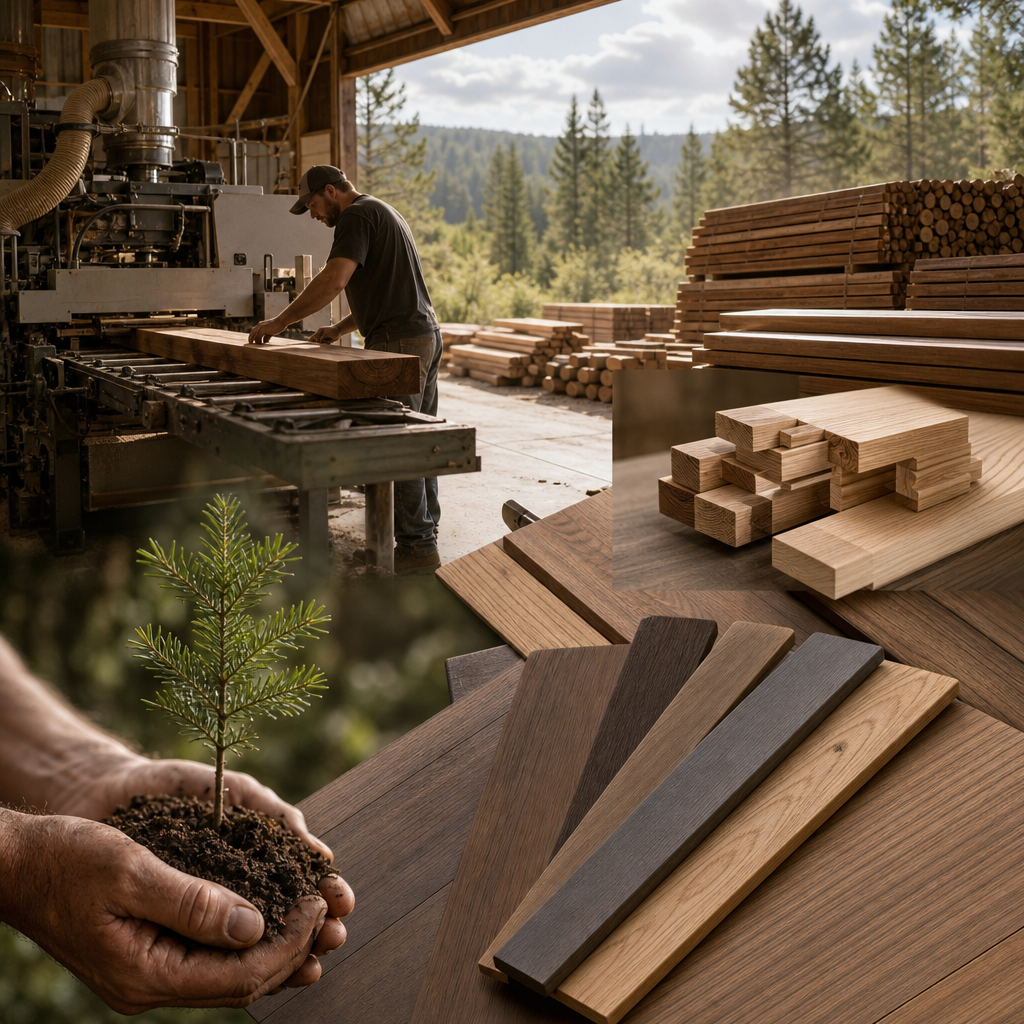
We prioritize FSC-certified material in our inventory. FSC certification ensures that the forests supplying our timber are managed responsibly, with documented chain of custody from harvest through our mill. For architects committed to substantiating the sustainability claims in their projects, FSC certification provides auditable proof that materials meet rigorous environmental standards.
Our milling process itself generates sawdust and offcuts that we recycle into energy production or secondary products rather than landfill waste. We track material efficiency and optimize cutting patterns to minimize waste across our production runs.
When specifying our milled products, you can confidently document the sustainable sourcing and processing to project certifications teams. We provide FSC certificates and environmental product declarations for all certified inventory.
Design Flexibility: Custom Profiles and Specifications
Contemporary architecture demands material precision that standard commodity lumber cannot deliver. We mill custom profiles, edge details, and dimensional specifications that align exactly with your design intent. Need 7/8″ thick siding with hand-planed texture? Specific reveal widths for shadow line emphasis? Custom groove spacing for fluted cladding? We execute these specifications consistently across your full project.
Our CAD-based milling workflow means you can specify dimensions and details with architectural precision. We verify tolerances, confirm availability, and establish production schedules that integrate with your construction timeline. For luxury residential work where every detail reflects intentional design, that level of customization becomes non-negotiable.
We also offer finishing options including hand-planning, wire-brushing, and surface texturing that enhance the contemporary aesthetic. Thermally modified wood accepts these finishing techniques beautifully, creating depth and visual interest that elevate the material beyond standard milled lumber.
Integration With Contemporary Architecture and Landscape Design
Thermally modified wood functions as both structural element and design statement in contemporary Texas architecture. Warm wood tones and expressive grain create visual continuity between interior and exterior spaces, especially when paired with expansive glass and minimal wall articulation. The material’s rich coloring becomes more pronounced over time, deepening the connection between structure and landscape as projects age.
In the modern contemporary vocabulary championed by architects like Lake|Flato and Page, wood serves as the primary vehicle for warmth and texture. Thermally modified material delivers that warmth authentically, without requiring constant maintenance or replacement. A thermally modified wood cladding or deck becomes a durable design asset rather than a maintenance liability.
Landscape integration works especially well with thermally modified decking and hardwood alternatives like Ipe and Cumaru. These materials bridge indoor and outdoor spaces with material continuity while performing reliably in exposed conditions. Large hardwood timber elements (beams, structural frames, pergolas) become expressive architectural features rather than merely functional structure.
Case Examples of Thermally Modified Wood in Distinctive Texas Homes
A contemporary Hill Country residence we supplied combined Thermally Modified Ash cladding with Douglas Fir soffits and Ipe deck framing. The bold grain character of the ash created visual interest on the primary facades while the softer Douglas Fir provided subtle warmth in protected soffit applications. The Ipe decking unified the outdoor living areas with durability that matched the residential design’s long-term durability commitment. Five years into the project, the thermally modified ash had developed a sophisticated charcoal patina while maintaining dimensional stability and tight joinery throughout.
A Lakeway modern residence incorporated custom-milled Thermally Modified Pine for interior wall paneling and exterior soffit applications. The consistent, clean grain and warm honey-brown tone created visual continuity across interior and covered exterior spaces. The architect specified custom groove spacing in the paneling to emphasize the 16-foot ceiling heights and horizontal sight lines. Three years after completion, the material shows zero warping or seasonal movement, and the color evolution reads exactly as the architect intended.
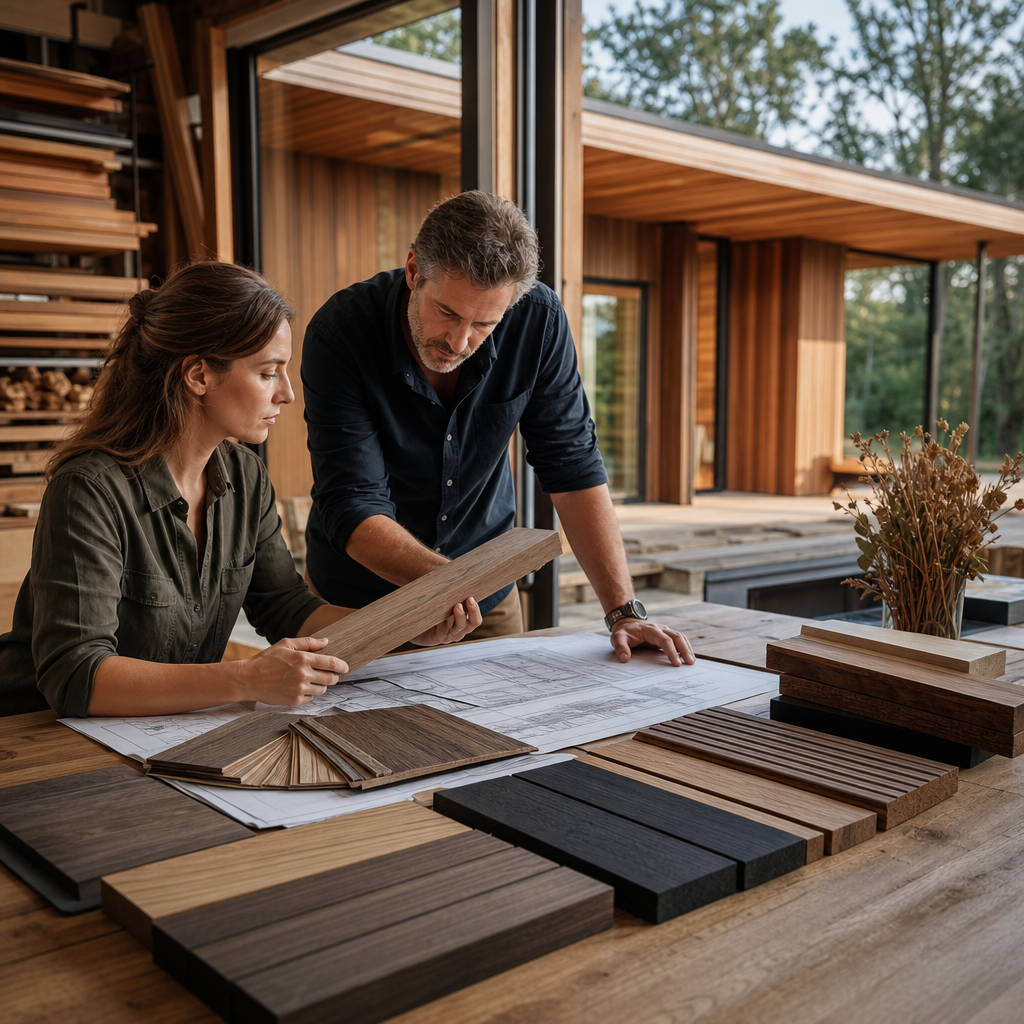
An East Austin urban infill project used Vertically Grain Douglas Fir combined with Thermally Modified Ash accents to create warmth within a minimalist contemporary vocabulary. The architect valued the material’s authentic aging without accepting the maintenance burden of untreated wood. Our thermally modified specifications delivered that aesthetic intention with performance reliability.
Partnering With Us for Your Next Architect-Driven Project
We work closely with architects throughout the Texas specification process. We provide material samples, durability documentation, and detailed cost and lead-time estimates early in design development. We mill custom products to your exact specifications and coordinate delivery timing with your construction schedule.
Our in-house milling capability means we can respond quickly to design refinements or field changes without losing quality or consistency. We’re also directly available for specification questions, material performance clarification, or technical support during construction.
To start a conversation about your next project, reach out with preliminary material preferences and application details. We’ll confirm inventory availability, provide detailed specifications and pricing, and establish a timeline that works with your design and construction workflow.
The difference between good material and architect-grade material lies in precision, consistency, and performance predictability. We specialize in delivering exactly that difference.
To place orders, order samples, or talk with a live person.
Frequently Asked Questions (FAQ)
What thermally modified wood species do we stock for architect specifications?
We specialize in Thermally Modified Ash, Pine, Poplar, and Ayous, each offering distinct aesthetic and performance characteristics for contemporary design. Our inventory also includes conventional premium softwoods like Clear and Vertical Grain Western Red Cedar, Douglas Fir, Hemlock, and Cypress, plus hardwoods such as Ipe, Cumaru, Garapa, and Tigerwood. We can source additional species based on your project requirements and work directly with architects to match both design intent and performance standards.
Can you mill custom profiles and specifications for our projects?
Yes, we handle architect-specified custom milling throughout our process, from initial material selection through final profile configuration. Our milling capabilities allow us to create profiles that integrate seamlessly with your design vision while maintaining the durability advantages of thermally modified wood. We work from your technical drawings and specifications to deliver material ready for installation.
Are your wood products FSC certified and suitable for WUI-rated applications?
We stock FSC certified products throughout our inventory and supply WUI Class A fire-rated wood options for siding, cladding, decking, and framing. Our commitment to sustainability means architects can specify premium performance materials without compromising environmental responsibility on high-profile Texas projects.


