

Why Municipal Timber Inspections Matter for Your Project Success
Building inspectors don’t examine wood products randomly. They’re protecting public safety and ensuring your project meets local, state, and federal standards. When you source lumber from us at US Lumber Brokers, you’re investing in materials that pass municipal scrutiny the first time.
Municipal timber inspections verify that wood species, grades, and treatments align with building code requirements for your specific application. A residential deck in Austin faces different fire and moisture demands than a commercial cladding project in Dallas. Inspectors validate that your materials match those demands.
Without proper inspection documentation, projects stall. Contractors face delays, change orders, and potential construction halts. We understand this pressure, which is why we maintain complete certification records for every product we supply, ready for inspector review before materials even arrive at your jobsite.
What to do next: Request material data sheets and certifications upfront when sourcing lumber. This single step prevents mid-project complications and demonstrates contractor diligence to municipal officials.
The Compliance Challenge Contractors Face Without Proper Documentation
Many contractors discover compliance issues too late. A crew begins installing vertical grain cedar siding, only to learn the municipality requires fire-rated documentation the supplier never provided. Now the work stops while inspectors investigate.
Incomplete documentation creates several recurring problems:
- Missing certification chains for FSC or fire-rated products
- Unclear species identification that doesn’t match code specifications
- No evidence of mill treatment compliance or testing
- Gaps in moisture content records that could affect structural integrity
- Inability to prove materials meet regional environmental standards
The cost of rework typically exceeds 15-20% of the original material investment. Beyond budget strain, timeline delays push other trades off schedule and damage client relationships. Architects and project managers absorb this friction when documentation falls short.
We’ve built our business around preventing these scenarios. Every material we source comes with traceable documentation. We maintain relationships with mills and manufacturers specifically to ensure you receive not just wood, but proof that your wood meets every applicable requirement.
What to do next: Ask your current lumber supplier for their complete compliance documentation package. If answers are vague or incomplete, it’s time to find a partner who prioritizes transparency.
Our Certified Wood Products Meet Every Municipal Requirement
We supply wood products specifically selected for their certifications and compliance readiness. Our inventory includes FSC-certified softwoods, WUI Class A fire-rated options, and thermally modified products engineered for performance beyond standard lumber.
When you specify Clear or Vertical Grain Western Red Cedar from us, you’re selecting material with inherent durability and established code approval. Our Douglas Fir, Hemlock, Cypress, and Southern Yellow Pine selections come with mill documentation confirming species identity and grade.
For contractors working on projects requiring premium hardwoods, our Ipe, Cumaru, Garapa, and Tigerwood products all arrive with import documentation and species verification. These materials often command inspector scrutiny precisely because proper sourcing prevents substitution fraud.
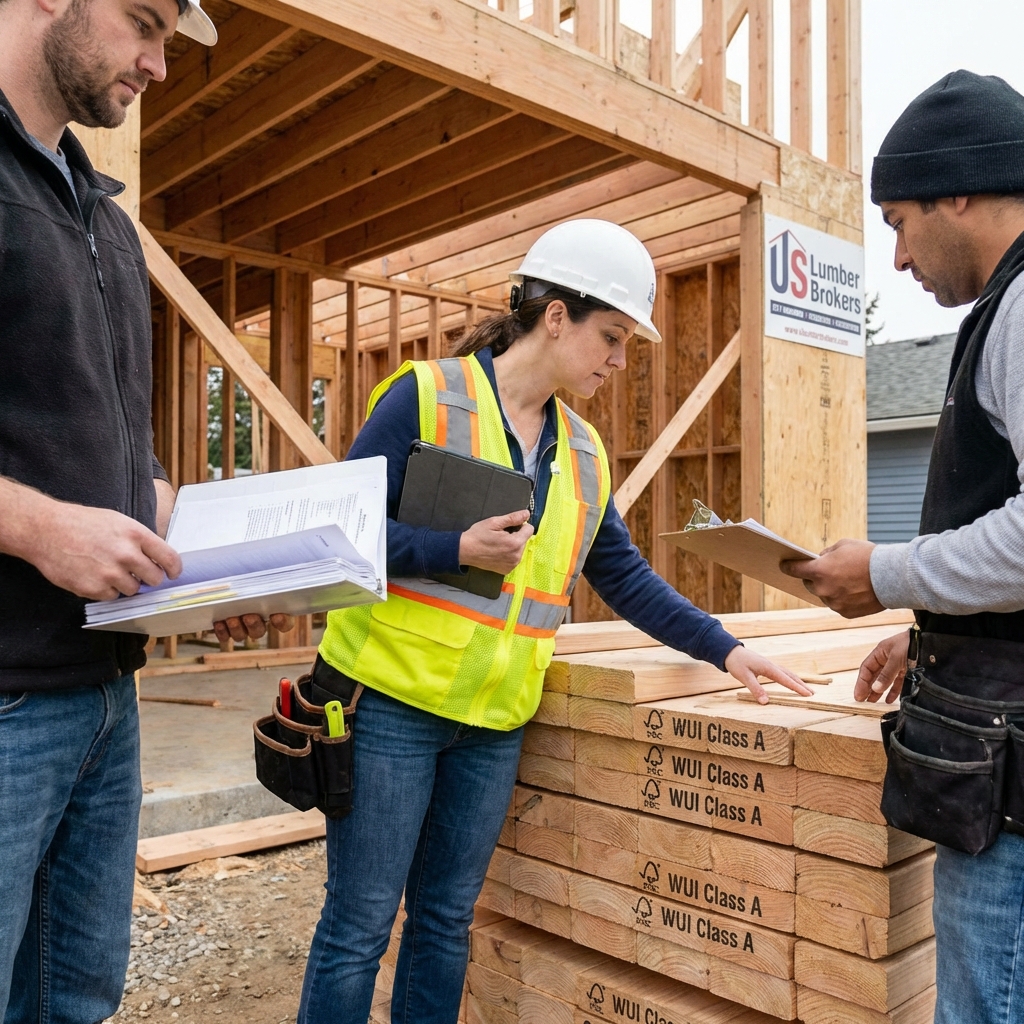
We also stock leading composite options including TimberTech, Trex, and Fiberon products, each carrying manufacturer compliance documentation specific to municipal codes across Texas and nationwide.
Our role isn’t simply selling lumber; we’re your compliance partner. When inspectors review your materials, our documentation answers every question they’re likely to ask.
What to do next: Create a master list of materials your specific project requires, then contact us with that list. We’ll confirm availability and prepare compliance packages before you issue purchase orders.
Understanding WUI Class A Fire-Rated Wood Standards
Wildland-Urban Interface (WUI) Class A fire ratings have become mandatory for residential and commercial projects in high-risk zones across Texas. If your project sits within a defensible space zone or in areas prone to wildfire exposure, local inspectors will require Class A documentation.
WUI Class A products undergo specialized testing to resist ignition and limit flame spread. The rating isn’t inherent to the species; it reflects specific treatment protocols applied by manufacturers. A standard cedar board doesn’t meet WUI Class A requirements unless it’s been treated and tested to those specific standards.
We distribute WUI Class A fire-rated options for siding, cladding, decking, soffits, fencing, framing, and pickets. Each product type carries testing documentation verifying its rating under specific municipal codes. Austin, the Hill Country communities, and surrounding regions increasingly reference these standards in building permits.
The distinction matters: inspectors won’t accept untreated cedar claiming “naturally fire-resistant” properties. They require test reports and mill certifications proving compliance. We maintain those certifications for every WUI Class A product we supply.
What to do next: Confirm whether your project falls within a WUI zone by contacting your local building department. If it does, notify us immediately so we can ensure all wood materials meet Class A requirements with proper documentation.
FSC Certification and Sustainable Material Documentation
FSC (Forest Stewardship Council) certification has evolved from an environmental preference to a code requirement in many commercial and institutional projects. Municipal building departments increasingly verify sustainable sourcing, particularly for high-visibility or publicly funded construction.
FSC certification documents that lumber originated from responsibly managed forests, with chain-of-custody verification at every supply step. Inspectors reviewing FSC-certified materials can trace the wood back to its source forest and confirm sustainable harvesting practices.
Our FSC-certified products give architects and contractors confidence that material specifications meet both code requirements and environmental standards. This certification becomes part of the project record, valuable when pursuing LEED credits or meeting municipal sustainability ordinances.
The documentation process requires more than a supplier’s word. FSC certification involves third-party auditing, mill inspections, and documented tracking systems. We work exclusively with suppliers who maintain these standards, so your project documentation is verifiable, not assumed.
What to do next: If your project includes FSC requirements (check your architectural specifications or municipal guidelines), specify FSC-certified materials from the start. Switching mid-project creates documentation gaps and potential inspection delays.
How We Streamline Your Inspection and Approval Process
We’ve refined our process to minimize inspection friction. When you order materials from us, you receive a comprehensive compliance package that includes species identification, grade documentation, treatment certifications, and any specialized ratings your project requires.

Our documentation arrives with your materials, ready for contractor or inspector review. We also prepare summary sheets that clearly map each material to the applicable code section, making inspector verification straightforward.
For projects requiring expedited approval, we coordinate directly with municipal building departments when needed. If an inspector has questions about product specifications or certifications, our team provides rapid clarification. This direct communication often resolves concerns within 24-48 hours.
We maintain relationships with major municipalities across Texas and work with inspection protocols familiar to local officials. That familiarity translates into faster approvals and fewer documentation requests.
What to do next: Before submitting building permits, share your material specifications with us. We’ll prepare compliant documentation packages tailored to your specific project and anticipated inspection requirements.
Thermally Modified Wood and Its Compliance Benefits
Thermally modified woods represent a significant advancement in building code compliance. These products undergo heat treatment without chemical additives, fundamentally altering wood properties to improve durability and performance.
Thermally modified ash, pine, poplar, and similar products gain superior moisture stability and decay resistance, often meeting code requirements where untreated softwoods don’t. For exterior applications in humid Texas climates, this distinction dramatically improves longevity and reduces maintenance cycles.
Municipal inspectors recognize thermally modified products because they meet performance codes through physical property changes, not chemical treatments. This distinction appeals to both code officials and environmentally conscious architects.
Tantimber thermally modified products exemplify this category. They provide performance that rivals tropical hardwoods while maintaining local sourcing benefits and superior compliance documentation.
What to do next: Consider thermally modified options for exterior applications, especially decking or siding in moisture-prone areas. These products often simplify code compliance while improving project durability.
Selecting the Right Wood Species for Code Compliance
Species selection profoundly impacts inspection outcomes. Not every wood species meets code requirements for every application. A species approved for interior framing may not satisfy exterior siding codes. An exterior decking species might not meet fire-rating standards.
Our softwood inventory includes options specifically chosen for code alignment. Clear and Vertical Grain Western Red Cedar, Douglas Fir, Hemlock, and Cypress each have established code approvals for common applications. Southern Yellow Pine offers structural credentials for framing and load-bearing applications.
Our hardwood selections serve premium projects where durability and aesthetics both matter. Ipe delivers exceptional decay resistance suitable for demanding exterior applications. Garapa, Cumaru, and Tigerwood provide performance profiles suited to specific climate conditions and code environments.
Matching species to application isn’t intuitive. A beautiful hardwood might lack the fire-rating documentation your municipal code requires. Conversely, a readily available softwood might not provide the moisture performance demanded by your project’s climate zone.
What to do next: Consult your architectural drawings to identify all wood applications, then contact us with that list. We’ll recommend species options that meet both aesthetic intent and code requirements for each element.
Our Documentation Support Throughout Your Project Lifecycle
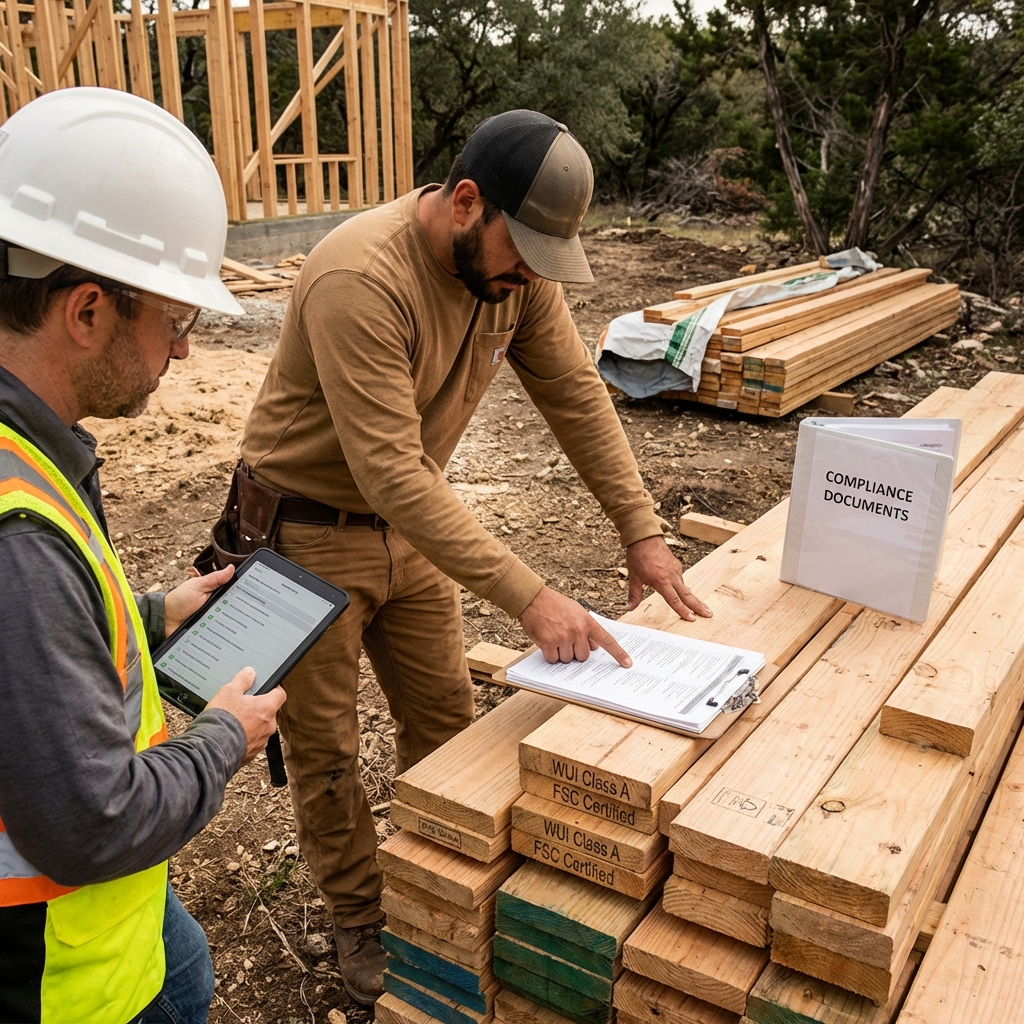
Compliance documentation doesn’t end at inspection approval. Projects evolve, materials change, and inspectors might conduct follow-up reviews. We maintain comprehensive records for every material we supply, available throughout your project timeline.
If inspectors return with questions during construction or final walkthrough, we can resubmit original certifications or provide clarification letters within hours. This continuity prevents delays when issues arise late in projects.
We also prepare material substitution documentation when project changes become necessary. If code compliance requires switching wood species or grades mid-project, we ensure new materials arrive with matching documentation quality and inspection-ready status.
Our commitment extends beyond the delivery date. We’re available for architect or contractor inquiries throughout construction, final inspection, and even warranty periods.
What to do next: Maintain contact information for us in your project documentation. When inspectors or architects raise questions about materials, we’re a direct resource for rapid clarification.
Building Confidence with Third-Party Certifications
Third-party certifications distinguish compliant products from unverified options. We prioritize suppliers whose products carry independent testing and certification from recognized testing bodies. FSC certification, WUI testing, and performance certifications all represent third-party validation.
These certifications exist specifically to satisfy municipal building departments. Inspectors trust independent testing far more than supplier assurances. When certification bodies have tested and verified a product, code approval becomes nearly automatic.
We work exclusively with manufacturers and suppliers who maintain these standards. This selectivity sometimes means higher costs compared to unverified alternatives, but eliminates the risk and delays that compromise projects using uncertified materials.
What to do next: Ask any lumber supplier for independent certifications backing their products. Vague or absent certification records indicate significant compliance risk. Partner with suppliers whose products carry verifiable third-party credentials.
Taking Your Next Step Toward Compliant Construction
Timber inspections and building code compliance succeed through preparation and partnership. We’re here to simplify that process.
Contact us with your project specifications, application details, and any specific compliance requirements your local building department has identified. We’ll prepare material recommendations with complete documentation packages, ready for immediate approval and delivery.
Our team brings years of experience navigating municipal codes across Texas and nationwide. We understand what inspectors need to see, how different municipalities interpret standards, and which material choices streamline approval processes.
Call or visit us at https://www.uslumberbrokers.com/ to discuss your project requirements. We’ll ensure every material you specify arrives with the certifications and documentation your project demands.
To place orders, order samples, or talk with a live person.


