

Why Architects Struggle Finding Certified Sustainable Lumber Suppliers
Specifying wood products for high-end residential and commercial projects presents a real challenge. Architects need materials that deliver aesthetic appeal, performance, and documented environmental responsibility, yet sourcing all three from a single supplier remains difficult across most of the country.
The core problem is fragmentation. Most lumber yards stock commodity-grade products without sustainability certifications. When architects request FSC-certified wood, vertical grain specifications, or thermally modified options, suppliers either can’t deliver or quote lead times that push project schedules back months. Adding fire-rating requirements to the mix narrows options further, especially for architects working in Wildland-Urban Interface (WUI) zones across Texas and beyond.
We’ve heard this repeatedly from architects in Austin, Dallas, Houston, and throughout the Hill Country. They’re designing buildings that meet increasingly stringent green building codes, but finding a single partner who stocks certified softwoods, hardwoods, thermally modified species, and fire-rated alternatives requires juggling multiple vendors.
What to do: When sourcing materials, create a detailed specification document including certification requirements (FSC, LEED points), performance needs (fire-rating, durability class), and aesthetic demands. Share this upfront with potential suppliers so they can either confirm inventory or direct you elsewhere honestly.
Our Commitment to Environmental Responsibility and FSC Certification
We built our business around the principle that premium quality and environmental stewardship aren’t competing priorities, they’re complementary. We stock FSC-certified wood products across our entire range because we believe architects deserve assurance that their material choices support responsible forestry.
FSC certification matters because it documents the entire supply chain. From forest management practices through harvesting, transportation, and milling, FSC standards verify that wood comes from responsibly managed sources. For architects specifying materials under LEED, Living Building Challenge, or similar frameworks, this documentation becomes essential.
Our inventory includes FSC-certified Clear and Vertical Grain Western Red Cedar, Douglas Fir, Hemlock, and Cypress. We also carry certified hardwoods like Ipe, Cumaru, and Garapa for projects requiring tropical species with verified sustainable origins. When architects specify with us, they’re not gambling on supply chain integrity, they’re working with documented certifications.
We understand that certified materials sometimes cost more upfront, but we help architects make the case to their clients. A premium price reflects genuine forest stewardship, and that story resonates with luxury residential clients and corporate sustainability officers alike.
What to do: Request FSC documentation and chain-of-custody certificates from your supplier before finalizing specifications. This paper trail protects your project and gives your client confidence their investment supports responsible forestry.
Premium Softwood Solutions: Clear and Vertical Grain Options for High-End Projects
Softwoods dominate high-end architectural applications because they offer visual warmth, workability, and proven longevity when properly specified. The distinction between Clear and Vertical Grain becomes critical at the aesthetic level and for certain performance applications.
Clear grade wood eliminates knots and defects, creating a uniform appearance prized for siding, cladding, and interior applications where visual consistency matters. Vertical Grain (also called Edge Grain) orients the growth rings perpendicular to the face, which minimizes cupping, checking, and seasonal movement. This matters enormously for exterior cladding and deck applications where wood expands and contracts with moisture.
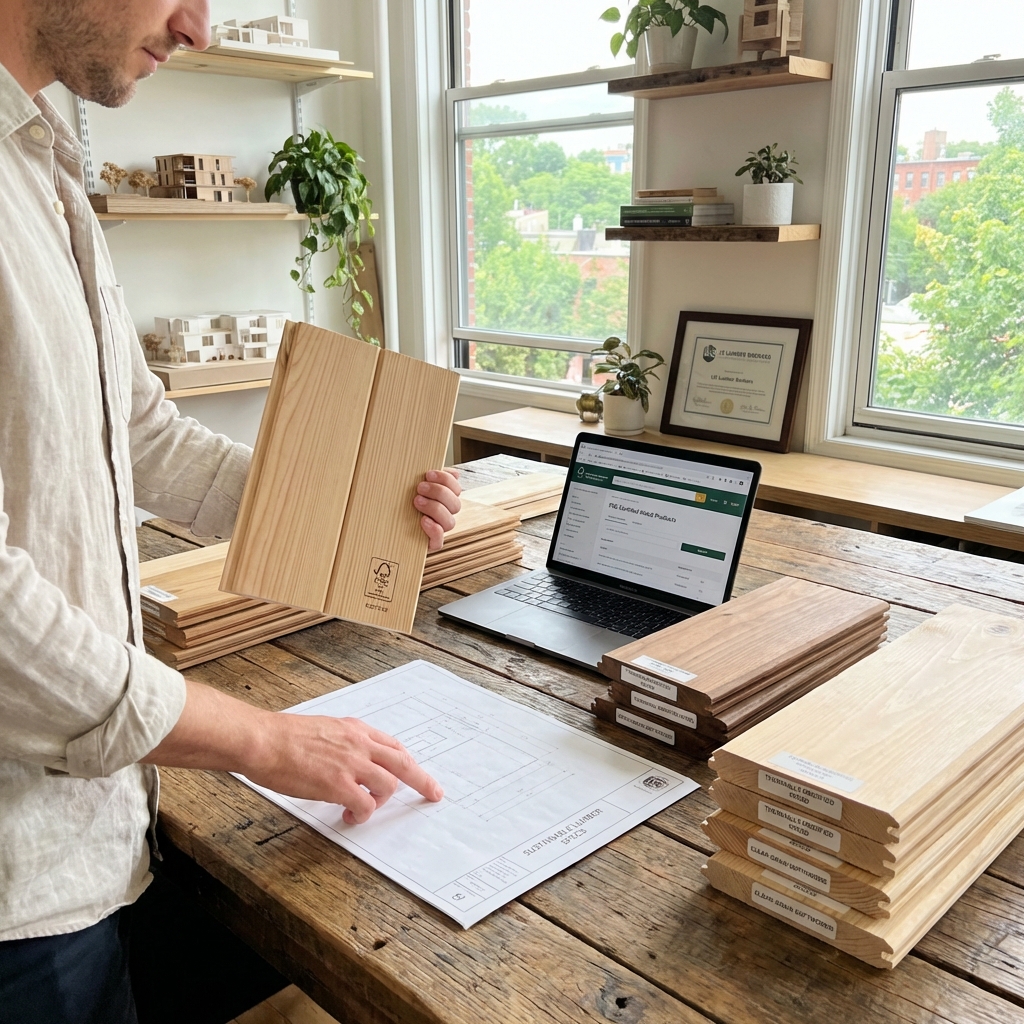
We supply Primeline Softwoods in Western Red Cedar, Yellow Cedar, Hemlock, Douglas Fir, Cypress, and Southern Yellow Pine. Each species brings distinct characteristics. Cedar offers natural rot and insect resistance for exterior applications. Douglas Fir provides structural strength and a bold grain pattern for modern designs. Cypress delivers exceptional stability and historical presence in Southern and Gulf Coast projects.
For architects working in the Texas Hill Country, Austin, or the Woodlands, we maintain steady inventory of these species in both Clear and Vertical Grain grades. This means your specifications don’t get delayed waiting for mill orders.
What to do: Visit your site and evaluate how much direct weather exposure your wood surfaces will receive. Vertical Grain performs better in high-moisture zones, while Clear grade serves interior accent walls and protected exterior soffits excellently.
Thermally Modified Woods: Durability Meets Sustainability Standards
Thermally modified wood represents one of the most significant developments in sustainable lumber over the past decade. This process applies heat without chemicals to increase density, durability, and dimensional stability, extending wood life while reducing maintenance.
The mechanism is straightforward. Heat and steam treatment modify the cell structure of wood, making it less attractive to fungi and insects and reducing its ability to absorb moisture. Species like Ash, Pine, Poplar, and Ayous become dimensionally stable enough for exterior decking and cladding applications where untreated versions would fail.
We stock a complete line of Thermally Modified Woods including Thermally Modified Ash, Pine, Poplar, and Ayous. For architects seeking alternatives to tropical hardwoods or chemically treated lumber, these products bridge the gap. They perform like treated wood but without pesticide residues, appeal to clients pursuing non-toxic building strategies, and maintain FSC certification potential.
On luxury residential projects throughout San Antonio, Boerne, and the Lake Travis region, we’ve specified thermally modified products for high-traffic decking and exterior cladding. The material outperforms expectations and requires far less maintenance than conventional softwoods over a 15-to-20-year lifecycle.
What to do: Evaluate total project cost, including future maintenance. Thermally modified wood costs more initially but eliminates the restaining and sealing cycles required by untreated softwoods, often breaking even or saving money by year five.
Hardwood Alternatives: Tropical Species That Meet Green Building Codes
When architects need hardwood performance, durability ratings comparable to pressure-treated lumber, and warm aesthetic appeal, tropical hardwoods become the specification. The sustainability question is legitimate, but responsibly sourced, FSC-certified hardwoods allow architects to meet performance requirements without compromise.
We supply a full range of certified tropical hardwoods including Ipe, Cumaru, Garapa, Massaranduba, and Tigerwood. Ipe stands out for extreme density and durability, rated for 25-plus years in exposed decking applications. Cumaru and Garapa offer slightly softer machining characteristics and rich amber tones. Tigerwood delivers dramatic grain patterns with proven rot and insect resistance.
These species work for applications where thermally modified softwoods fall short or where aesthetic requirements demand a specific color or grain pattern. For architects designing high-end residential decks, commercial cladding, or hospitality projects in Horseshoe Bay, Kerrville, and throughout the Texas Hill Country, FSC-certified hardwoods deliver.
The key is sourcing them with verified sustainability documentation. We maintain relationships with mills that practice forestry management aligning with international hardwood standards, so architects can specify with confidence.
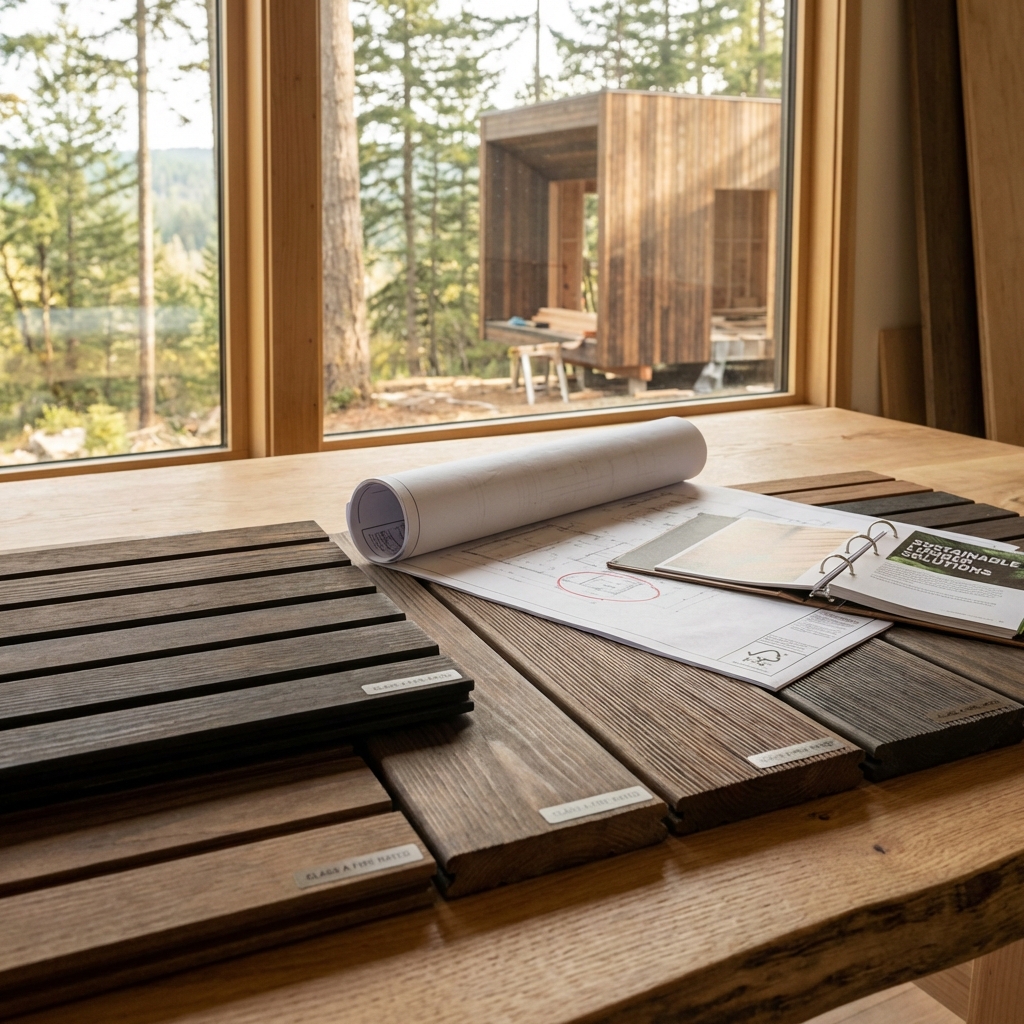
What to do: Compare hardwood options by durability rating, janka hardness, and installation requirements. Ipe requires specialized fasteners and drilling techniques, while Cumaru handles more conventional construction methods. Factor labor costs and installer familiarity into your specification decision.
Fire-Rated WUI Class A Woods for Safety-Conscious Developments
Wildland-Urban Interface (WUI) regulations require non-combustible or fire-retardant materials for siding, decking, fencing, and exterior elements in high-fire-risk zones. Architects designing in areas like Dripping Springs, Spicewood, Driftwood, and similar communities increasingly face these mandates.
We supply WUI Class A fire-rated wood products meeting the strictest standards. This includes chemically treated softwoods and engineered solutions that pass intensive fire testing protocols. Class A rating means the material meets flame spread, smoke development, and fuel contribution standards set by ASTM E84.
For projects requiring wood aesthetics but facing fire-code constraints, Class A products solve the dilemma. Architects can maintain wood cladding, deck surfaces, and fence elements while achieving compliance. The visual continuity throughout the project remains intact.
Sourcing WUI-compliant materials requires supplier expertise because building departments across different jurisdictions may accept different documentation. We maintain current listings of approved products for Austin, Fort Worth, Dallas, Houston, San Antonio, and smaller Texas municipalities to ensure your specification clears review without delays.
What to do: Contact your local building department before finalizing fire-rated specifications. Obtain a written list of acceptable products and their required documentation. This step eliminates surprises during plan review.
Our National Distribution Network and Texas Regional Expertise
We serve all 50 states through our national distribution infrastructure, but our deepest expertise centers on Texas. This dual capability matters because we understand regional building codes, local aesthetic preferences, and climate-specific performance requirements across diverse Texas markets.
From East Austin to West Austin, Tarrytown to Downtown, from the Woodlands and Spring north of Houston to the Hill Country communities of Boerne and Kerrville, we’ve built relationships with architects, builders, and project managers. We maintain inventory strategically positioned for quick turnaround in our core service areas while accessing specialty items through our national network.
This local presence combined with national reach means architects can specify confidently whether their project is in Texas or requires materials shipped to New York, California, or Florida.
What to do: Connect with our team early in your design phase. Share your project location, material specifications, and timeline. We’ll confirm inventory availability and discuss logistics to prevent surprises during construction.
Real Project Examples: How We Support Architects Across Texas
Specific projects illustrate how our inventory and expertise solve real architectural challenges. A luxury residential project in the Hill Country required Clear Vertical Grain Western Red Cedar siding combined with Ipe decking, all FSC-certified. Rather than coordinating with two vendors, the architect worked with us for both materials, streamlining communication and ensuring consistent delivery timelines.
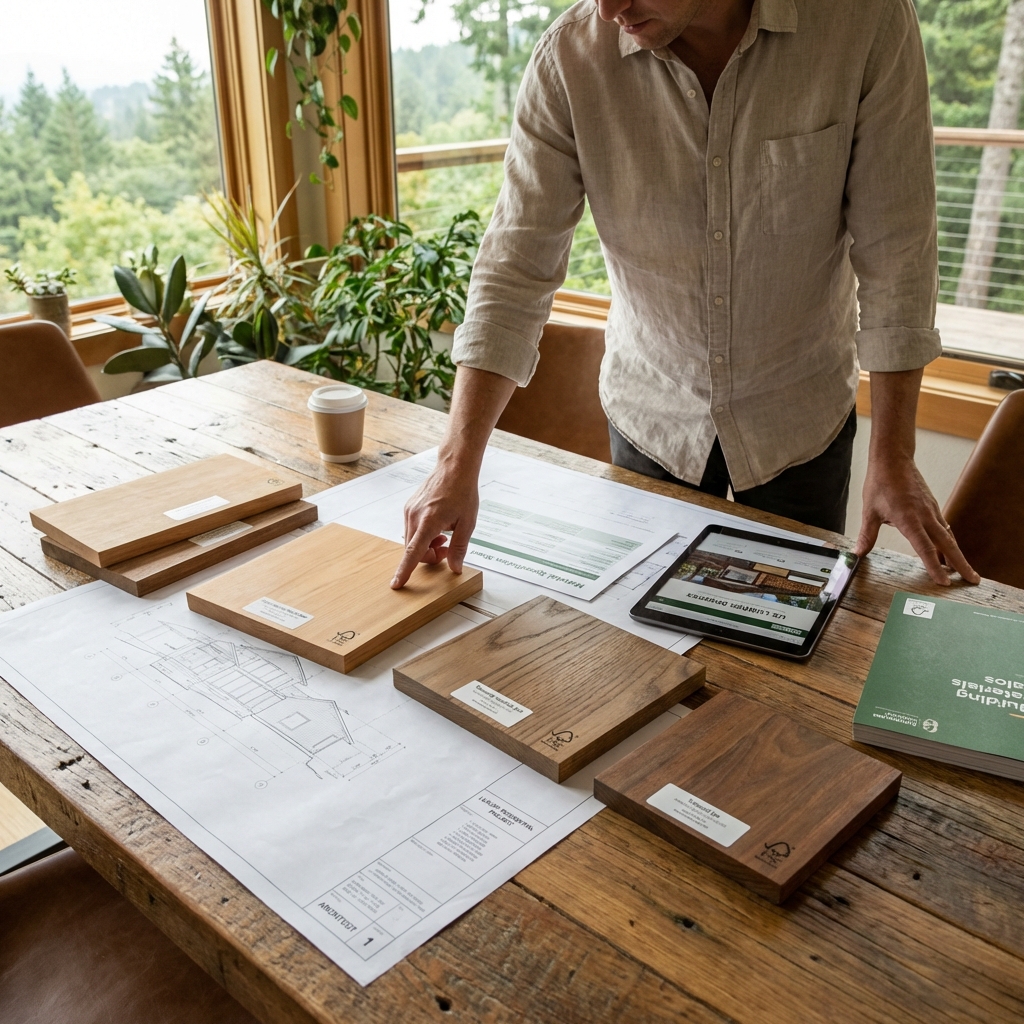
Another commercial project in downtown Austin specified thermally modified pine for exterior cladding. The architect valued the sustainable sourcing and reduced maintenance lifecycle. Our available inventory in that species and grade meant the project timeline stayed intact without mill delays.
A multi-family residential development in the Woodlands incorporated WUI Class A fire-rated cedar siding and composite decking from our inventory. When the building department requested documentation, we provided current certifications that cleared review immediately.
These aren’t unusual scenarios for us; they’re our standard operating model. We solve specification challenges architects face regularly.
What to do: Document which materials worked best on completed projects. Share feedback with your supplier about performance, ease of installation, and maintenance requirements. This information informs better specifications on future projects.
Why Architects Choose US Lumber Brokers for Sustainable Specifications
Architects partner with us because we solve multiple problems simultaneously. We stock the range of materials required for sustainable, high-performance projects. Our inventory includes certified products, fire-rated solutions, and diverse species from softwoods to hardwoods to thermally modified options.
We understand architectural specifications. We speak your language regarding grade, grain orientation, certification requirements, and performance standards. When you say “Clear Vertical Grain,” we know exactly what you mean and can confirm availability rather than guessing.
We deliver consistently. With strategic inventory positioning across Texas and national logistics, we meet timelines that would challenge traditional lumber yards.
We provide transparency. Architects receive documentation supporting certification claims, fire-rating compliance, and supply chain verification. Your material specifications rest on documented evidence, not assumptions.
Getting Started: How to Source Your Certified Materials Today
Begin by documenting your material requirements in a detailed specification. Include grade (Clear, Select, or Vertical Grain), species, certification needs (FSC or other), fire-rating requirements if applicable, and required quantities. Include your project timeline and delivery location.
Contact us with your specifications. We’ll confirm inventory status, pricing, and delivery feasibility. For materials not currently in stock, we’ll provide lead times and explore alternatives that meet your performance and aesthetic requirements.
Once specifications are finalized, we handle logistics and documentation. Your project receives the materials you specified, with certifications and compliance documentation included.
Visit our website at https://www.uslumberbrokers.com/ to explore our product range and reach out with your specific project needs. Our team is ready to support your next sustainable specification.
To place orders, order samples, or talk with a live person.


