

Why White Oak Matters for Modern Texas Architecture
White oak represents a turning point in how Texas architects approach exterior materiality. Unlike softer woods that weather inconsistently, white oak delivers the warm, expressive character that defines modern contemporary design while maintaining structural integrity across decades. The grain pattern creates visual depth without overwhelming a facade, and the wood’s natural tannins age gracefully in full Texas sun rather than graying out or splintering.
Architects working in the Hill Country and beyond increasingly specify white oak because it bridges two demands: the sculptural warmth that clients expect from premium materials, and the performance reliability that justifies the investment. When you’re designing a home where glass and wood blur the boundary between interior and exterior, the cladding must hold its own against both aesthetic scrutiny and weather extremes.
We’ve worked with practices like those inspired by Lake|Flato’s philosophy, where every material choice connects to the landscape and the lived experience inside. White oak achieves this. It’s substantial enough for contemporary design language without feeling cold or industrial.
White Oak Cladding vs. Cedar: Durability and Aesthetics
Cedar has dominated Texas architecture for good reason. It’s accessible, naturally aromatic, and offers decent weather resistance. But cedar has a critical limitation: it softens over time. The wood moves more dramatically with moisture swings, checking develops, and the surface becomes vulnerable to abrasion and foot traffic on lower sections. You’re also managing constant UV fading that, while beautiful in some contexts, limits design continuity across facades.
White oak performs differently. The wood is significantly harder and denser, resisting dents and surface damage that plague cedar installations. Its tannin content creates natural resistance to decay and insect damage without relying on chemical treatments. Where cedar requires more frequent maintenance to maintain appearance, white oak develops a distinguished patina that architects often specify intentionally.
The aesthetic difference matters too. Cedar grain tends toward uniformity, softness, and a cottage-like warmth. White oak displays more dramatic ray fleck and figure, giving contemporary facades the sophisticated depth that modern design demands. It photographs differently, reads differently in changing light, and creates stronger visual connections to interior wood elements without competing for attention.
For architects specifying cladding that will define a home’s character for 20+ years, white oak eliminates the choice between warmth and durability.
White Oak vs. Composite Alternatives: Long-Term Value
Composite cladding solves the maintenance problem. Fiber-reinforced products like TimberTech, Trex, and Fiberon won’t splinter, don’t require staining or sealing, and resist fading. For homeowners prioritizing convenience, that value is real.
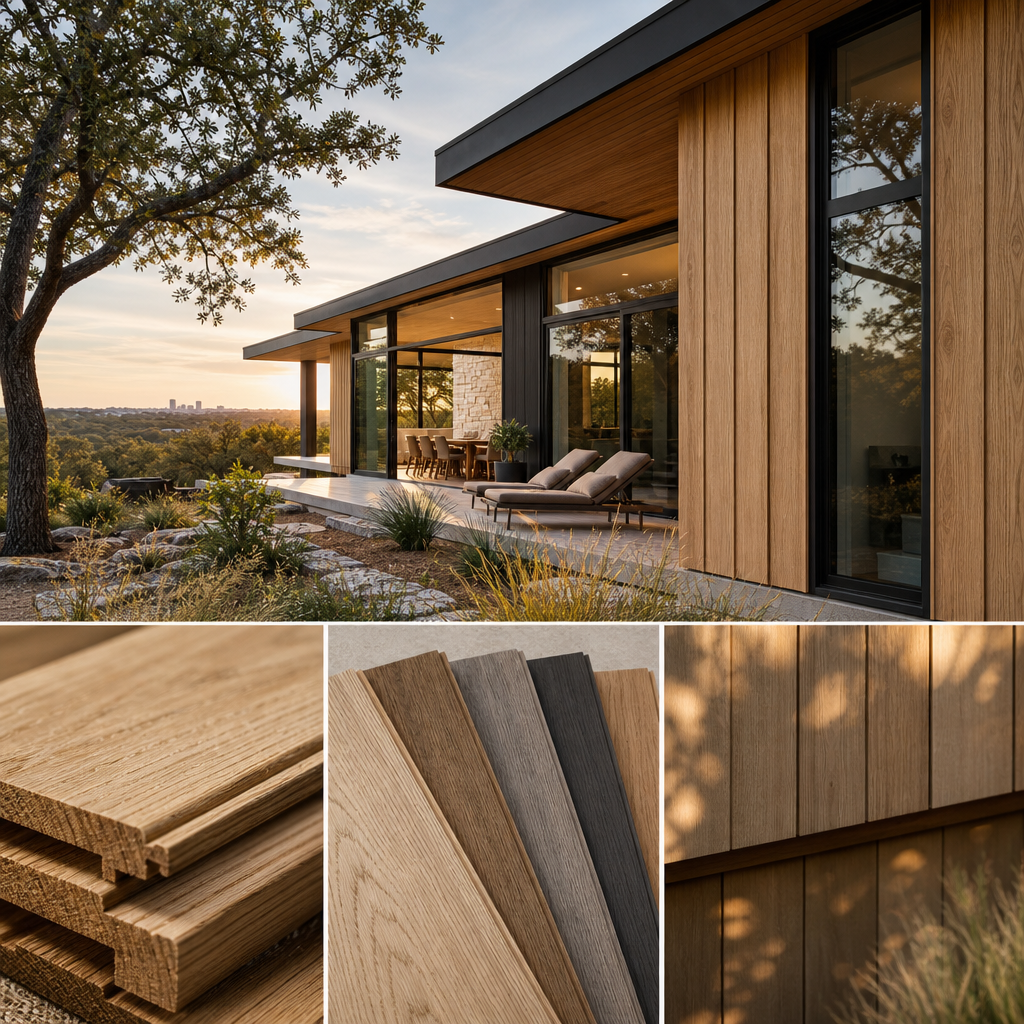
But we work with architects, not convenience-buyers. Your clients are investing in homes where material authenticity matters. Composite cladding reveals its plastic nature under scrutiny. The surface feels different. The grain pattern repeats. When sunlight hits it differently than genuine wood, the visual discontinuity is immediate. For a contemporary home where every detail reinforces the design intent, composite alternatives underperform despite their maintenance advantages.
The financial calculus also shifts over a 25-year timeline. White oak costs more upfront but requires minimal intervention. You’re not replacing degraded sections. You’re not watching the finish fail in UV-exposed areas while protected zones maintain their original color. When we compare total cost of ownership, quality white oak cladding typically costs less over the life of the home than composite products that need eventual replacement or refinishing.
We stock composite cladding options for projects where they genuinely make sense. But for the architect-driven custom homes that define our core work, white oak delivers superior long-term value.
Performance in Texas Climate Conditions
Texas weather tests cladding in ways that other regions don’t. The heat swings are extreme. Humidity spikes near the coast and Gulf areas. Drought cycles inland create wood movement that lesser species can’t handle. Then there’s the intense UV load across the state that fades and degrades finishes.
White oak manages these conditions with inherent advantages. The wood’s density means it moves less with moisture fluctuations, reducing the checking and cupping that plague softer species. The tannin structure provides natural decay resistance that remains effective even as the wood weathers. And while all wood fades, white oak’s grain structure and mineral content help it age in ways that feel intentional rather than deteriorated.
For projects in the Hill Country, Austin’s urban core, or Dallas neighborhoods with mature trees, white oak performs consistently. The wood doesn’t require the chemical treatments or aggressive finishes that some alternatives demand. It simply performs, season after season.
We source and manufacture white oak cladding for every Texas microclimate. Whether your project faces full Texas sun or sits in oak woodland shade, we’ve specified the right profile, grain, and finish to ensure performance aligns with your design intent.
Sustainability and FSC Certification Standards
Architects with serious environmental commitments increasingly specify FSC-certified materials. This matters for LEED projects, but it also matters philosophically. You’re choosing wood that comes from responsibly managed forests, not from clear-cuts or old-growth harvests that undermine the sustainability story.
Our white oak inventory includes FSC-certified options that meet rigorous forest management standards. We can document chain of custody from forest to your jobsite. The certification doesn’t compromise performance or aesthetics. It simply confirms that the warmth and character your design requires comes from sources that respect the resource.
For Texas architects, FSC certification also resonates with clients who understand that material choices reflect values. A sustainably sourced white oak cladding system tells a complete story: performance rooted in responsible forestry, durability that reduces waste over time, and authentic character that synthetic alternatives can’t replicate.
Why We’re Your Definitive White Oak Cladding Partner
We’re not a commodities broker. We’re a Texas-based manufacturer and distributor built by architects and builders who understand what specification-grade cladding actually requires. That experience shapes every decision we make about sourcing, milling, and delivery.
Most lumber suppliers treat white oak as a species among many. We treat it as a critical material for contemporary architecture. We maintain relationships with mills that understand grain selection, milling precision, and the subtleties of profile design that allow wood cladding to perform as intended. We test finishes. We validate performance across Texas climates. We work with architects on specification details that most suppliers never consider.
We also maintain consistent inventory. Cladding projects can’t wait for mill runs. We stock white oak in the profiles, widths, and grain selections that matter for the homes you design, ready to ship to Austin, Dallas, Houston, San Antonio, or anywhere across the state and nationwide.
Our Premium White Oak Selection and Customization
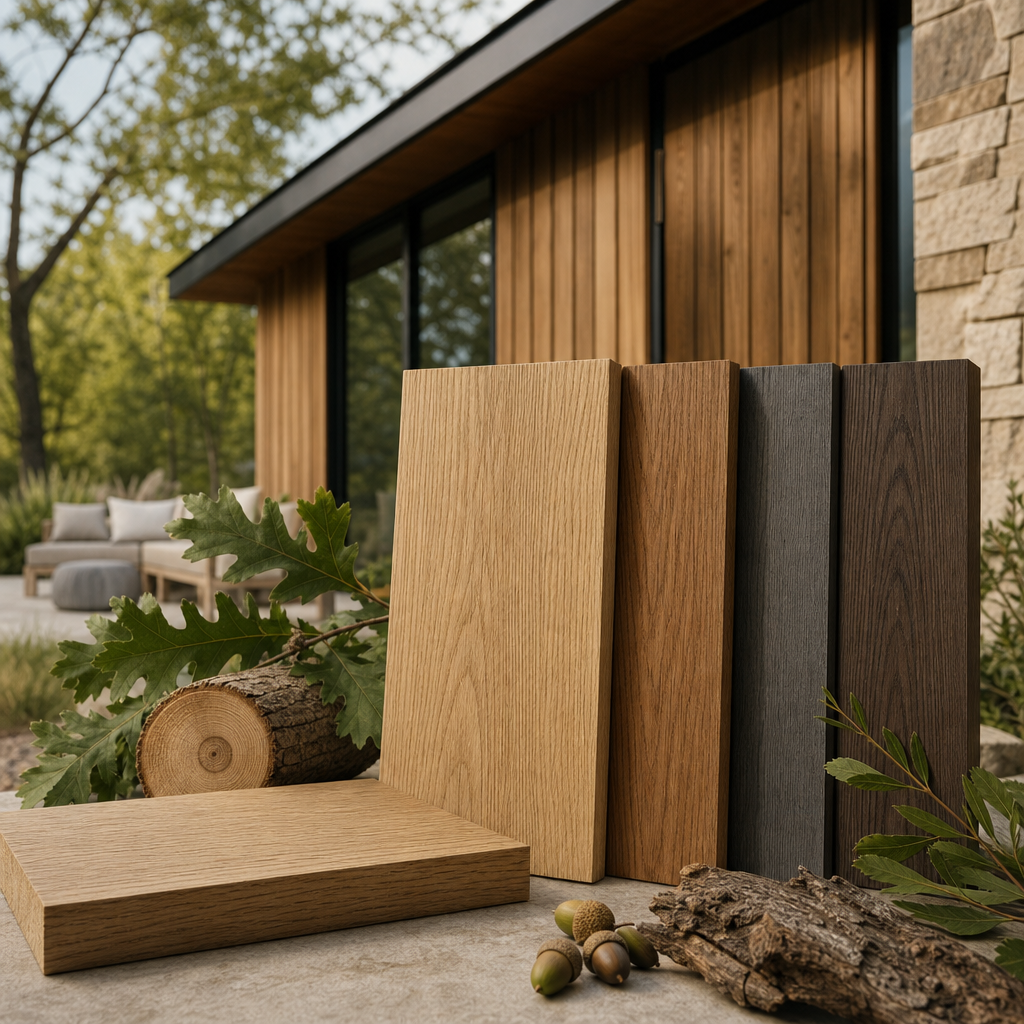
We offer white oak cladding in vertical grain and standard cuts, each bringing different visual and performance characteristics. Vertical grain delivers tighter, more linear appearance that reads contemporary. Standard grain adds figure and depth that enriches more traditional contemporary aesthetics. Both options FSC-certified and available in varying thicknesses and widths to match your specification details.
Beyond standard inventory, we customize. Different milling profiles for shadow line effects. Specific grade selections for architectural appearance standards. Finish recommendations matched to your climate zone and design intent. This level of customization matters because specification-grade cladding can’t be an afterthought. It requires collaboration between supplier, architect, and builder.
Arborwood cladding represents our commitment to premium sourcing and milling. We extend this approach across our white oak offerings, ensuring that every board meets the quality standard that defines your work.
Installation Support for Architects and Builders
Delivering premium cladding is half the challenge. Installation integrity determines whether the material performs as intended. We provide detailed specification support, including attachment methods, ventilation requirements, and finish compatibility guidance. We work directly with builders and construction teams to answer field questions before they become problems.
We also maintain relationships with installers across Texas who understand wood cladding systems. If you need referrals to crews experienced with premium wood cladding installation, we can connect you. This reduces risk and ensures that your design intent translates from specification to completed facade.
Your Complete Solution for Distinctive Exteriors
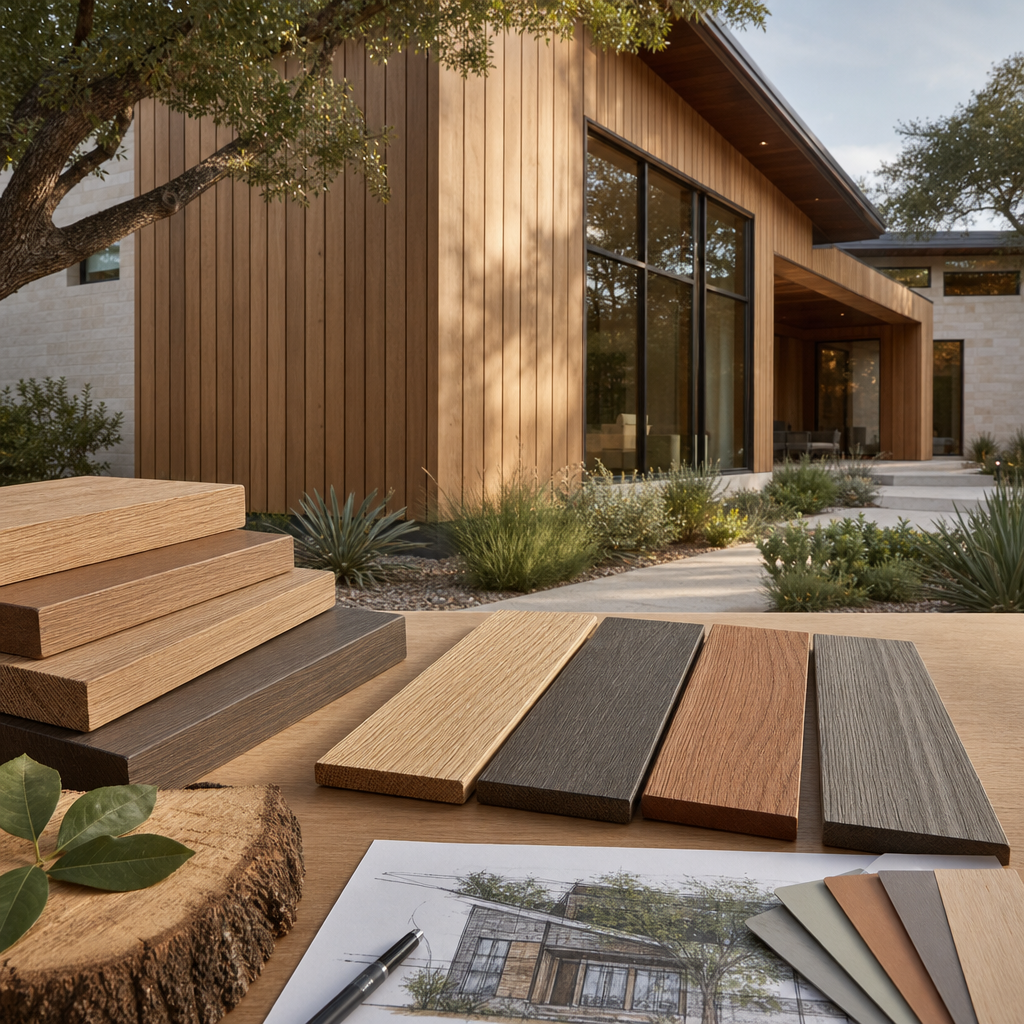
White oak cladding is a commitment to material authenticity and long-term performance. It’s not the cheapest option. It’s the option that delivers the warmth, character, and durability that architect-driven homes demand.
We source, mill, and distribute white oak cladding specifically for practices like yours. We understand contemporary design language. We know Texas climate challenges. We maintain the inventory depth and customization capability that makes specification feasible. And we stand behind every board we sell.
For your next project requiring premium wood cladding that will define a home’s character for decades, contact us. We’ll walk you through options, discuss finish strategies matched to your climate zone, and ensure you have the material quality and installation support that justifies the specification.
White oak cladding from US Lumber Brokers isn’t just material. It’s the foundation for distinctive exteriors that align with how you design and what your clients deserve.
To place orders, order samples, or talk with a live person.
Frequently Asked Questions (FAQ)
Where do you source your white oak cladding, and is it FSC certified?
We source our white oak cladding from responsibly managed forests and provide FSC certified options for architects who prioritize sustainable building practices. Our supply chain is transparent, and we can track the origin of every shipment we deliver across Texas and nationwide. When you work with us, you’re getting material that meets both performance standards and environmental accountability.
How does white oak perform compared to cedar in Texas’s heat and humidity?
White oak outperforms cedar in our climate due to its superior density and natural rot resistance, which means it requires less maintenance over the long term despite higher upfront costs. Cedar is beautiful but demands regular sealing and treatment to withstand Texas summers and moisture fluctuations. We help architects make this trade-off decision based on their project timeline, budget, and maintenance expectations for each specific application.
Can you provide custom milling and finishing services to match architectural specifications?
Yes, we offer custom milling, finishing, and sizing to match your exact design intent, whether you need fluted profiles, specific thicknesses, or particular grain selections. Our manufacturing capabilities allow us to accommodate both standard architectural requirements and one-of-a-kind details that set your projects apart. We work directly with your team from specification through delivery to ensure seamless integration with your vision.


