

Why Architects Choose the Nickel Gap Aesthetic for Contemporary Interiors
The nickel gap aesthetic has become the signature detail in contemporary architecture across Texas. For architects working with custom builders, this precise spacing technique transforms plain walls into layered, textured statements that catch light and invite touch. We’ve seen how the right wood selection and installation approach can elevate an entire interior, creating the warm, sophisticated look that defines modern homes today.
The nickel gap sits at the intersection of minimalism and craftsmanship. Rather than butting boards tightly together, leaving a gap equal to the thickness of a nickel between each piece creates subtle shadow lines that add dimension without visual clutter. This approach appeals to architects designing contemporary spaces because it respects both the material and the eye.
Contemporary design emphasizes authenticity and material expression. Wood naturally moves with humidity and temperature changes. Rather than hiding this reality with caulk and paint, the nickel gap celebrates it. The spacing accommodates seasonal wood movement while delivering intentional visual rhythm that transforms a simple wall into architecture.
Builders working with sophisticated clients understand that details matter. A nickel gap wall becomes a focal point in open-concept living spaces, behind kitchen islands, or as an accent in primary bedrooms. The effect works equally well on ceilings, where the shadow lines create visual interest overhead without the heaviness of traditional coffered or drop ceilings.
What to do next: Evaluate your project’s focal walls. Spaces with natural light exposure and high sightlines benefit most from nickel gap detailing because the shadow play becomes most dramatic.
Understanding the Nickel Gap: Precision Spacing and Visual Impact
A nickel measures 0.0765 inches thick, but precision here isn’t about achieving that exact measurement with scientific instruments. Instead, the nickel gap technique uses spacing spacers or careful installation to create consistent, proportional gaps between boards. Most installations target 1/16 to 1/8 inch spacing, depending on board width and design intent.
The visual impact depends on lighting and board characteristics. Under natural light, the gaps create shadow lines that shift throughout the day. Under artificial lighting, they can be subtle or pronounced depending on fixture placement and color temperature. The narrower the gap relative to board width, the more refined and contemporary the appearance. Wide gaps read more rustic or industrial.
Board orientation also shapes the final look. Vertical installation emphasizes height and creates dramatic shadow patterns across walls. Horizontal boards reference traditional shiplap but with modern restraint. Diagonal patterns introduce movement and energy into a space, though they require more careful planning around openings and trim.
Understanding how gaps interact with board finish is equally important. Matte natural finishes let the wood’s grain and color variations dominate, while the gaps provide subtle visual punctuation. Stained finishes can emphasize the wood character, and lighter finishes make gaps appear deeper due to increased contrast.
What to do next: Create mockups showing your specific boards, finish, lighting conditions, and gap width before committing to full installation.
How Our Premium Wood Selection Achieves the Nickel Gap Effect
We supply wood species and grades specifically chosen for nickel gap applications. Not every board works equally well. The wood must be stable enough to sit reliably in spaced installation without cupping or warping that would disrupt consistent gaps. It must also have grain, color, and character that rewards close visual inspection, since the nickel gap draws attention to the material itself.
Our inventory includes clear and vertical grain softwoods ideal for contemporary interiors. The tight, consistent grain structure of vertical grain cedar and Douglas fir creates a refined appearance that doesn’t compete with the geometric spacing pattern. These woods have natural warmth and take stain beautifully while remaining visually calm enough to serve as architectural backdrop or statement wall.
We also stock thermally modified woods that provide additional stability and design flexibility. Thermally modified ash, pine, and poplar offer warm tones and consistent appearance that work beautifully in nickel gap applications. Their increased stability compared to conventional lumber means tighter, more predictable gaps over time.
For builders seeking something distinctive, our hardwood offerings including cumaru, garapa, and ipe deliver rich color and natural character. These species perform well in interior applications where their density and unique grain patterns become part of the design narrative.
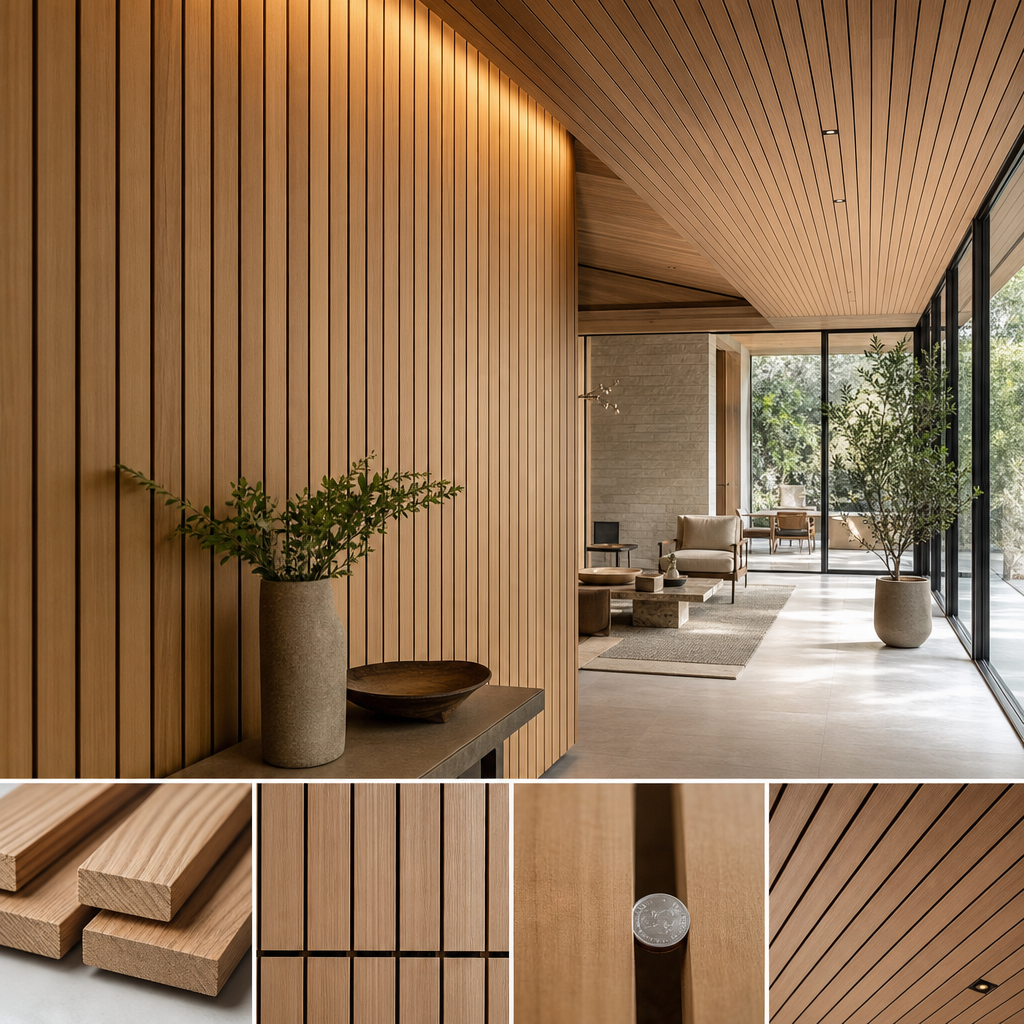
What to do next: Request sample boards in your preferred species and finish, then install them on-site in actual lighting conditions. This simple step prevents costly changes after full installation begins.
Vertical Grain Cedar and Douglas Fir: The Foundation of Elegance
Vertical grain lumber represents the premium tier of softwood selection. These boards are milled from growth rings that run perpendicular to the board face, creating that distinctive linear grain pattern architects recognize immediately. The grain consistency creates visual calm, allowing the spacing detail to shine rather than competing with busy grain swirls.
Clear vertical grain cedar offers natural warmth and rich color that develops character over time. The wood is naturally stable, moving minimally with humidity changes, making it ideal for spaced installation where gap consistency matters. Its fine aroma and natural durability (cedar contains oils that resist decay) appeal to builders emphasizing natural materials.
Douglas fir delivers deeper color and slightly tighter grain than cedar. It’s denser and harder, making it more resistant to denting in high-traffic interior settings. When finished clear or with subtle stain, vertical grain Douglas fir creates an understated luxury that reads equally at home in modern farmhouse or contemporary minimalist spaces.
Both species take finish beautifully. Natural clear finishes emphasize the wood’s inherent color and grain. Light stains warm the wood further, while darker stains create dramatic contrast with gaps. We work with builders to source material graded for nickel gap applications, ensuring boards meet appearance standards and stability requirements before installation.
What to do next: Specify vertical grain rather than flat sawn lumber and request boards milled from the same growth ring patterns to ensure visual consistency across your project.
Thermally Modified Woods: Durability Meets Design in Interior Applications
Thermally Modified Woods represent an evolution in wood performance, achieved by heating lumber in specialized kilns to increase stability and modify color. This process doesn’t involve chemicals or staining. Instead, it fundamentally changes the wood’s cellular structure, reducing moisture absorption and movement while shifting color tones deeper and richer.
For nickel gap interiors, thermally modified wood offers a significant advantage: superior gap consistency. The reduced wood movement means gaps remain predictable across seasons. Thermally modified ash develops warm chocolate tones, modified pine shifts to honeyed warmth, and modified poplar takes on distinctive character often unavailable in conventional lumber.
The color shifts that occur during thermal modification appeal to architects seeking distinctive palettes. These woods photograph beautifully and deliver high-impact design without requiring staining. They work particularly well in spaces where you want noticeable wood warmth and character without the variability of conventional species.
Durability improves substantially. Thermally modified woods resist cupping, warping, and movement better than conventional lumber, which means your carefully spaced gaps remain visually consistent. They resist decay and insect damage better than untreated softwoods, making them suitable for interior applications where long-term stability matters.
What to do next: Investigate thermally modified species for your project if you want distinctive color without staining or if you need enhanced stability in challenging humidity environments.
Installation Considerations: Achieving Perfect Gaps and Professional Results
Achieving consistent nickel gaps requires planning before crews arrive on-site. First, account for wood acclimation. Delivered lumber should sit in the project space for at least one week (longer in winter) so it reaches equilibrium moisture content. This prevents gaps from widening or narrowing after installation.
Installation methods vary. Many contractors use spacer blocks or shims cut to consistent thickness, placing them between courses to maintain gap width. Others rely on careful measurement and experienced eye. The key is consistency across the entire wall or ceiling. Inconsistent gaps distract viewers immediately and undermine the intentional design.
Consider how gaps interact with trim, doors, and openings. Does the pattern continue consistently around windows and doors, or do you terminate gaps at openings? Does trim sit flush with the board faces, sit proud, or recess? These decisions affect the overall visual impact significantly. Most contemporary projects favor flush or slightly recessed trim that respects the board-and-gap geometry.
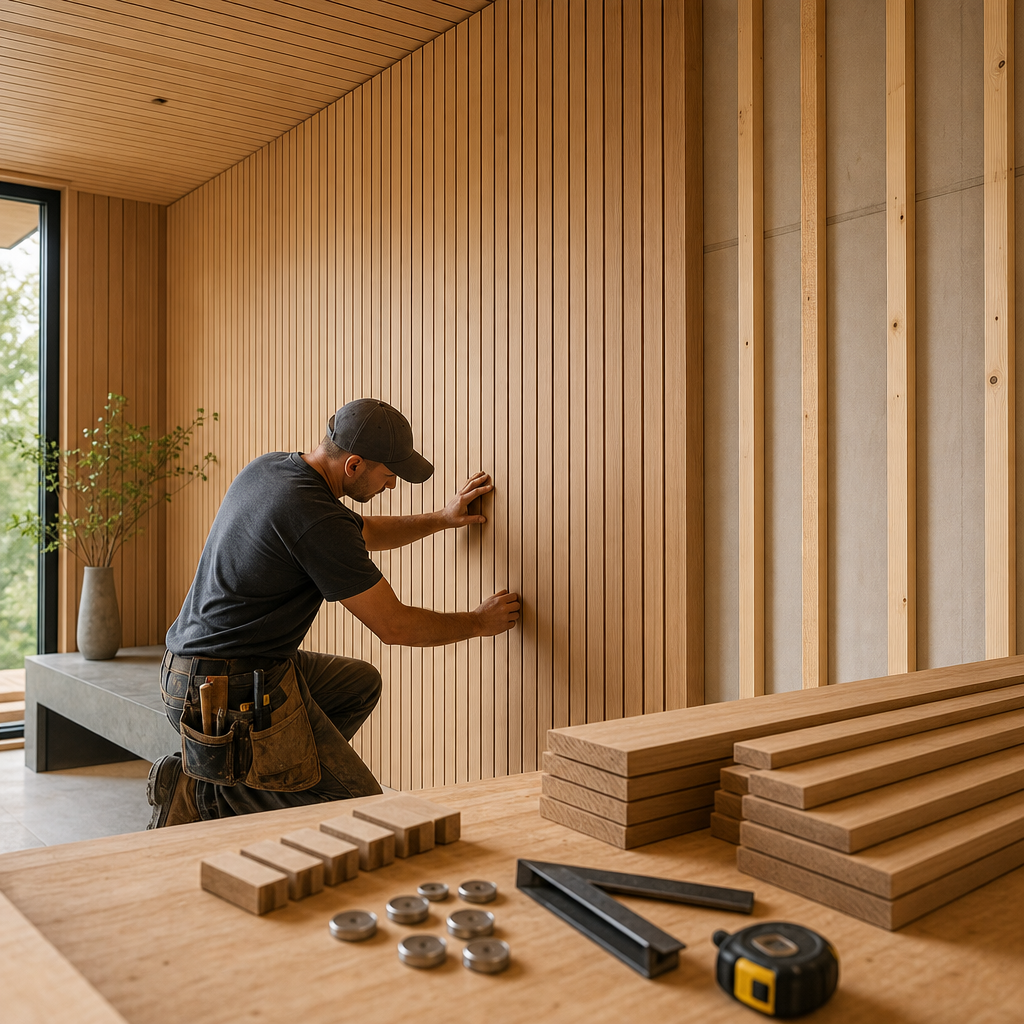
Fastening strategy matters too. Most nickel gap installations use hidden fastening (nails or screws driven into board edges rather than face) to eliminate visual clutter. This requires careful planning and sometimes different framing or furring strip spacing than standard wall construction.
Moisture control deserves special attention. Ensure proper ventilation behind boards to prevent humidity buildup that could cause excessive wood movement. Consult structural engineers or experienced installers if you’re unsure about ventilation requirements for your specific application.
What to do next: Hire installers experienced with spaced board applications or provide detailed specifications and mockups to guide crews unfamiliar with nickel gap technique.
Sustainable Sourcing: FSC Certified Woods for Architect-Driven Projects
Contemporary architecture increasingly demands sustainability credentials. We supply FSC certified wood products that meet stringent environmental standards while delivering the aesthetic performance nickel gap applications require. FSC certification verifies responsible forest management, protecting biodiversity and supporting community rights.
For architects committed to sustainable design, FSC certification isn’t merely a box to check. It reflects genuine environmental stewardship and appeals to discerning homeowners invested in their environmental impact. Specifying FSC certified wood becomes part of the project narrative, aligning material choices with design philosophy.
We maintain relationships with mills that prioritize forest health and sustainable practices. These suppliers often share our commitment to transparency about sourcing and processing. When you specify our materials, you’re supporting forest management practices that will sustain these ecosystems for future generations.
Documentation matters in contemporary projects. FSC certification comes with paperwork that flows from mill through distributor to jobsite, creating an auditable trail. This documentation satisfies LEED requirements, supports architectural specifications, and provides confidence to homeowners curious about their home’s environmental footprint.
What to do next: Request FSC certification documentation for all species you’re considering. Include sustainability credentials in your project specifications and marketing materials to differentiate your work.
Color and Finish Options: Creating Your Signature Interior Look
Wood color and finish transform the entire character of nickel gap interiors. Clear finishes celebrate the wood’s natural color evolution. Cedar deepens beautifully as it ages, developing rich patina indoors under protection. Douglas fir maintains its warmth and gradually achieves subtle darkening that enhances character without appearing stained.
Light stains warm the wood slightly while maintaining grain visibility. Medium stains introduce noticeable color shift while keeping wood character readable. Darker stains create drama and contrast, making gaps appear deeper and more pronounced. The best approach starts with small test panels installed in actual project lighting to preview the finished look.
Matte finishes suit contemporary design better than glossy products. They emphasize the wood itself rather than reflective shine. Penetrating finishes that soak into wood rather than sitting on the surface often appeal to architects preferring authentic material expression. Water-based finishes minimize odor and off-gassing concerns in occupied spaces.
Color consistency deserves consideration. Will you sort boards for color uniformity, or embrace natural variation? Some projects benefit from sorted boards delivering cohesive color fields. Others leverage natural variation to create subtle pattern and depth. Both approaches work beautifully when intentional.
What to do next: Develop finish samples with your preferred stain and sealer applied to boards from your actual lumber supply. This ensures your mockup accurately represents the finished installation.
Real Projects: How Texas Architects Use Our Materials for Distinctive Homes
We’ve supported architects across Texas creating nickel gap interiors that define their contemporary practice. In a Lake Austin residence, vertical grain Douglas fir in nickel gap installation became the focal point of a soaring great room, with gaps catching light shifting throughout the day as sun moved across glass walls. The warmth of the wood balanced expansive glass and stone, creating the inviting contemporary aesthetic the architect envisioned.
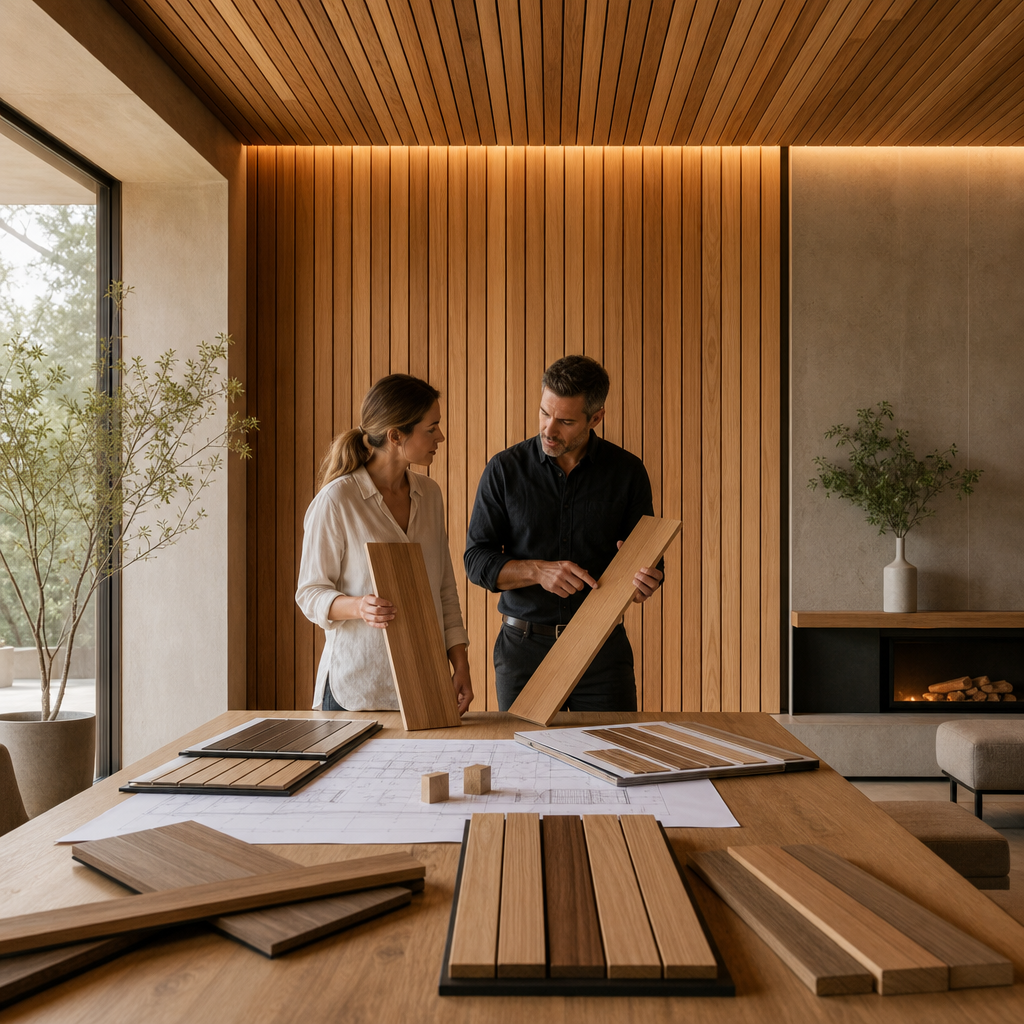
A Hill Country modern home featured thermally modified ash ceiling boards in nickel gap pattern above a kitchen island, creating visual warmth without the heaviness of traditional ceilings. The modified ash’s distinctive color contrasted beautifully with polished concrete and white cabinetry, delivering high-impact design with restrained materiality.
In an East Austin renovation, clear vertical grain cedar walls in nickel gap pattern became the signature detail in a primary bedroom suite. The gap spacing and natural cedar aroma created an unexpected retreat within a contemporary home, proving that nickel gap works equally well as accent detail or primary material choice.
These projects share common threads: careful material selection, thoughtful specification, and installation by crews understanding the technique’s demands. Each delivered distinctive interiors that reflect the architect’s vision while celebrating the wood itself.
What to do next: Visit completed projects in your region. Seeing nickel gap installations in actual lighting and use clarifies how the technique translates from drawings to reality.
Why Our Partnership Delivers Results for High-End Custom Builders
We understand that architects and custom builders driving contemporary design need suppliers who speak the language of detail and craftsmanship. We maintain inventory of the specific grades, species, and finishes nickel gap applications require. We don’t compromise on quality or consistency because we understand that these details define your reputation.
Our expertise extends beyond simply providing boards. We work with architects during specification to select species and grades suited to your project’s requirements, lighting, and design intent. We provide sample boards and finish guidance. We connect builders with installers experienced in spaced applications. This partnership approach ensures your vision translates accurately to the finished project.
We’re based in Texas and serve architects working throughout the state and nationwide. We understand the climate conditions, building practices, and aesthetic preferences that define contemporary Texas architecture. We stock thermally modified woods, clear vertical grain softwoods, premium hardwoods, and FSC certified species supporting whatever material story your project requires.
Ready to specify materials for your next nickel gap project? Contact us with your species and finish preferences. We’ll provide samples, pricing, and technical guidance to move your project forward with confidence.
What to do next: Reach out with your project specifications. We’ll help you select materials that deliver the distinctive, architect-driven interiors your designs demand.
To place orders, order samples, or talk with a live person.
Frequently Asked Questions (FAQ)
What wood species do we recommend for achieving an authentic nickel gap interior look?
We specialize in vertical grain Douglas Fir, Clear Western Red Cedar, and Hemlock for nickel gap applications because their tight, consistent grain patterns create the clean aesthetic that defines this design. For architects seeking additional durability without compromising appearance, our thermally modified wood options like Thermally Modified Ash and Pine deliver the same visual precision while offering superior stability in climate-controlled interior spaces. Each species we stock is selected for its ability to maintain tight spacing and resist warping over time.
How does the nickel gap spacing actually work during installation, and what should builders expect?
The nickel gap requires precision installation with consistent spacing (typically 1/4 inch) between each board to create the signature visual rhythm. We provide our materials in vertical grain configurations that remain stable enough to hold these tight gaps without seasonal movement, which is critical since interior spaces lack the temperature swings that affect exterior applications. Our team can guide your installation crew on material selection and acclimation to ensure the gaps remain perfectly uniform after installation completes.
Are your nickel gap woods FSC certified and sustainably sourced?
Yes, we maintain a full inventory of FSC certified premium woods for architect-driven projects, including our vertical grain softwoods and thermally modified options. We understand that Texas architects increasingly specify sustainable materials as part of their design philosophy, and we’ve structured our sourcing to meet those standards without compromising on the visual or performance qualities your custom homes demand.


