

The Architect’s Dilemma: Sourcing Certified Wood That Meets Design Vision
You’ve designed a striking residence in Dripping Springs with vertical grain cedar cladding, expansive glass, and timber details that demand both aesthetic precision and environmental responsibility. The challenge: finding a supplier who stocks FSC-certified materials in the specific profiles, grades, and species your design requires, without forcing compromises.
Large commodity suppliers like Weyerhaeuser operate on volume. Their strength lies in delivering standard products to framers and contractors at scale. For architects pursuing contemporary designs that emphasize natural materials and craftsmanship, this approach falls short. You need a partner who understands that a 6-inch clear vertical grain Douglas fir board isn’t interchangeable with 8-inch stock, and that FSC certification matters not just for compliance but for your reputation.
At US Lumber Brokers, we’ve spent years serving Texas architects who refuse to settle. We specialize in sourcing and manufacturing the exact materials you specify, with the certifications and finishes that elevate your projects from good to exceptional.
What FSC Certification Really Means for Your Projects
FSC (Forest Stewardship Council) certification confirms that wood originates from responsibly managed forests that meet strict environmental, social, and economic standards. For architects, this means more than a checkbox on a specification sheet.
When you specify FSC-certified wood, you’re guaranteeing:
- Traceable supply chains: Each board connects back to verified forestry practices, not just generic “sustainable” claims.
- Third-party auditing: Independent certification bodies audit operations continuously, ensuring standards hold year after year.
- Regulatory alignment: FSC satisfies LEED requirements, local green building standards, and increasingly stringent municipal codes across Texas.
- Client confidence: Homeowners and project stakeholders recognize FSC as the credible sustainability standard, protecting your firm’s reputation.
The distinction matters because not all “certified” wood meets the same rigor. Other certifications exist, but FSC commands respect in high-end residential and commercial markets where your clients expect transparency and accountability.
We stock FSC-certified Western Red Cedar, Hemlock, Douglas Fir, and hardwoods including Ipe and Cumaru. When you specify these materials with us, you receive documentation that satisfies audits and client inquiries.
How Weyerhaeuser’s Large-Scale Model Limits Customization
Weyerhaeuser manages millions of acres and produces massive volumes of commodity lumber. This efficiency serves production builders and contractors well. But it doesn’t serve architects.
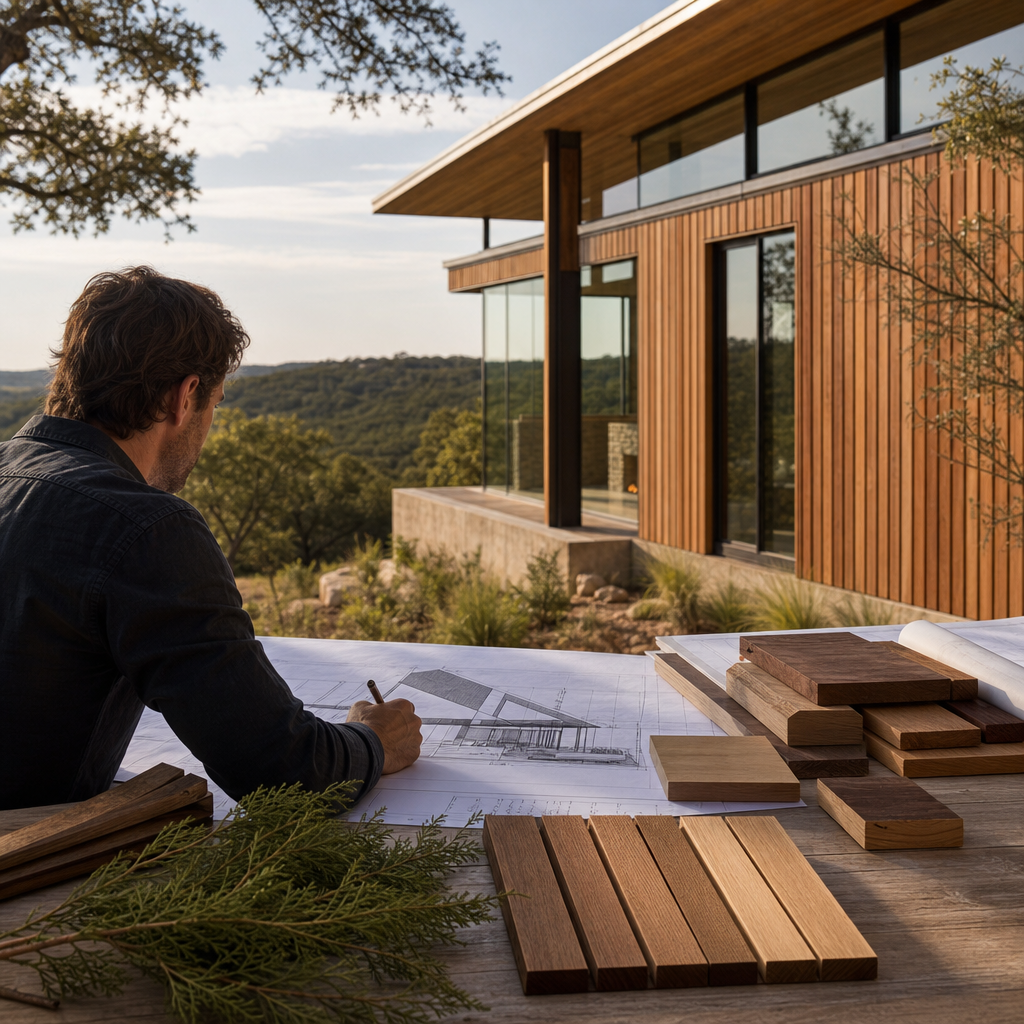
Here’s the practical gap: Weyerhaeuser’s distribution model prioritizes standard grades and typical widths. If your design calls for Clear vertical grain cedar in 7-inch widths with a specific finish, or Ipe decking with a particular milling profile, you’ll either accept what they stock or wait for special orders that add cost and timeline risk.
They also optimize for speed over relationships. A general contractor buying framing lumber needs quick turnaround. An architect specifying materials for a custom home in Horseshoe Bay needs someone who understands that profile, grain, and finish aren’t negotiable.
The result: architects working with large commodity suppliers often end up modifying designs to fit available inventory rather than building inventory around their vision. We do the opposite.
Our Specialized FSC Inventory Designed for Contemporary Architecture
We maintain stock specifically curated for architects pursuing contemporary design. Our inventory includes:
- Clear and Vertical Grain Western Red Cedar: The premium standard for siding and cladding, available in multiple widths and profiles.
- Douglas Fir and Hemlock: Tight-grained softwoods that age beautifully and accept finishes consistently.
- Hardwoods: Ipe, Garapa, Cumaru, Massaranduba, and Tigerwood for decking and cladding where durability and dramatic grain expression matter.
- FSC-certified options across all species: Because environmental responsibility shouldn’t compromise material choice.
Beyond stock, we manufacture custom profiles and finishes. If your Lake|Flato-inspired design requires a shadow gap cladding detail or a specific reveal, we mill it. This flexibility means your specifications don’t bend to available inventory; inventory aligns to your specifications.
We also maintain thermally modified wood products including Thermally Modified Ash, Pine, Poplar, and Ayous—materials that offer the warm, expressive character of premium hardwoods with improved stability and reduced maintenance. These options solve real problems architects face when clients want natural beauty without constant upkeep.
The Advantage of Local Expertise and Direct Manufacturing
We’re based in Texas and serve Texas architects who know the climate challenges unique to this state: intense sun exposure, humidity swings, and the occasional severe weather event. Sourcing lumber is one thing. Understanding how it performs in Hill Country humidity or Austin’s urban heat island effect is another.
Because we manufacture directly, we control the entire chain: sourcing, milling, finishing, and quality assurance. When you place an order, you’re not dealing with a regional distributor’s inventory manager. You’re working with specialists who know cedar behavior in Tarrytown’s shade, how Douglas fir responds to south-facing decking exposure near Lake Travis, and which finishes last longest in commercial applications.
This also means faster problem-solving. If a shipment arrives and grain or finish doesn’t meet your expectation, we resolve it directly, not through layers of corporate bureaucracy. For architects on tight timelines, this responsiveness is invaluable.
Thermally Modified and Class A Fire-Rated Options We Provide
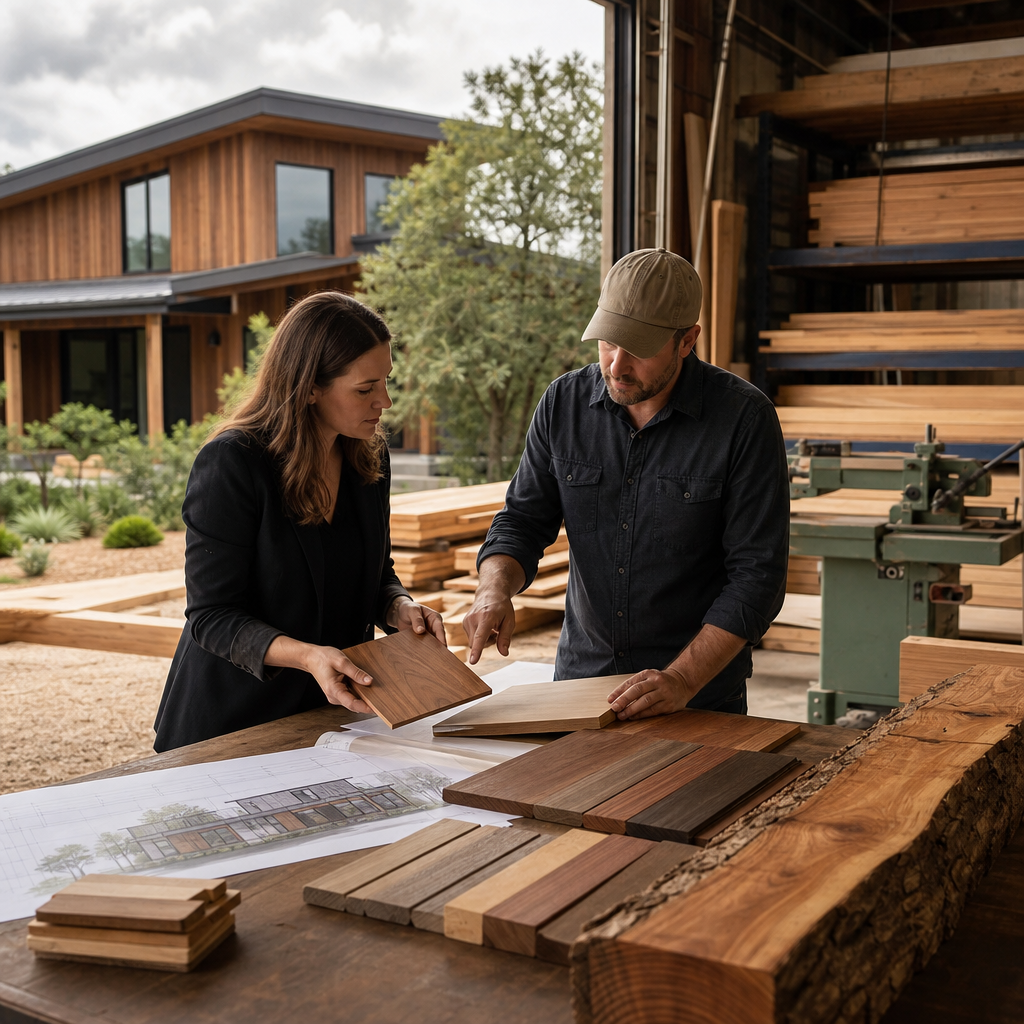
Two material trends shape contemporary architecture in Texas: demand for low-maintenance natural wood finishes, and increasingly stringent wildfire building codes.
Thermally Modified Wood addresses the first. Through heat treatment without chemicals, we create wood products that resist rot, insects, and weathering while maintaining the warm aesthetic that defines your designs. These materials accept stains and finishes beautifully and won’t require the maintenance burden that untreated hardwoods demand. For a residence in a high-fire-risk area like Spicewood or Dripping Springs, this combination of performance and appearance is powerful.
Class A Fire-Rated Wood Products address the second. We supply WUI (Wildland-Urban Interface) Class A materials for siding, cladding, decking, and fencing. These products meet the strictest building codes without sacrificing the material expression your designs demand. You can specify wood cladding that satisfies Austin’s evolving fire codes and your client’s safety concerns.
How Our Vertical Grain Hardwoods Elevate Architectural Expression
Vertical grain isn’t just a mill pattern. It’s a material language that communicates craftsmanship and intention.
The straight, tight grain of vertical grain wood reads differently than flat grain. It emphasizes verticality, draws the eye upward, and creates visual rhythm across facades. For Lake|Flato-influenced contemporary homes, this detail separates thoughtful design from commodity construction.
Hardwoods amplify this effect. Ipe’s dense grain and rich color can dominate a facade or serve as accent trim. Cumaru bridges warm and cool tones beautifully. Garapa offers lighter, more understated grain while maintaining impressive durability. Each material tells a different story, and each requires a supplier who stocks multiple grades and can mill custom profiles.
We source these hardwoods with FSC certification where available and maintain relationships with mills that prioritize consistency. When you specify vertical grain Ipe decking for a suspended terrace or Cumaru siding for a primary facade, you’re specifying material that we can deliver reliably, in the exact grade and finish your design requires.
Partnership Approach: Supporting Your Design from Concept to Completion
Our relationship with you starts before you place an order. Early in your design process, when profiles and materials are still being explored, we’re available to discuss options: What does vertical grain cedar cost versus Hemlock? How does Ipe perform on a west-facing deck? Which thermally modified option best suits the client’s maintenance expectations?
This input prevents costly revisions later. We’ve worked with Austin, Dallas, and Houston-area architects long enough to anticipate questions and offer solutions that strengthen designs.
Once specifications are locked, we manage delivery timelines and quality assurance. We communicate proactively about lead times, arrange logistics that protect material during transport, and stand behind every shipment. If issues arise on-site, we’re reachable and responsive.
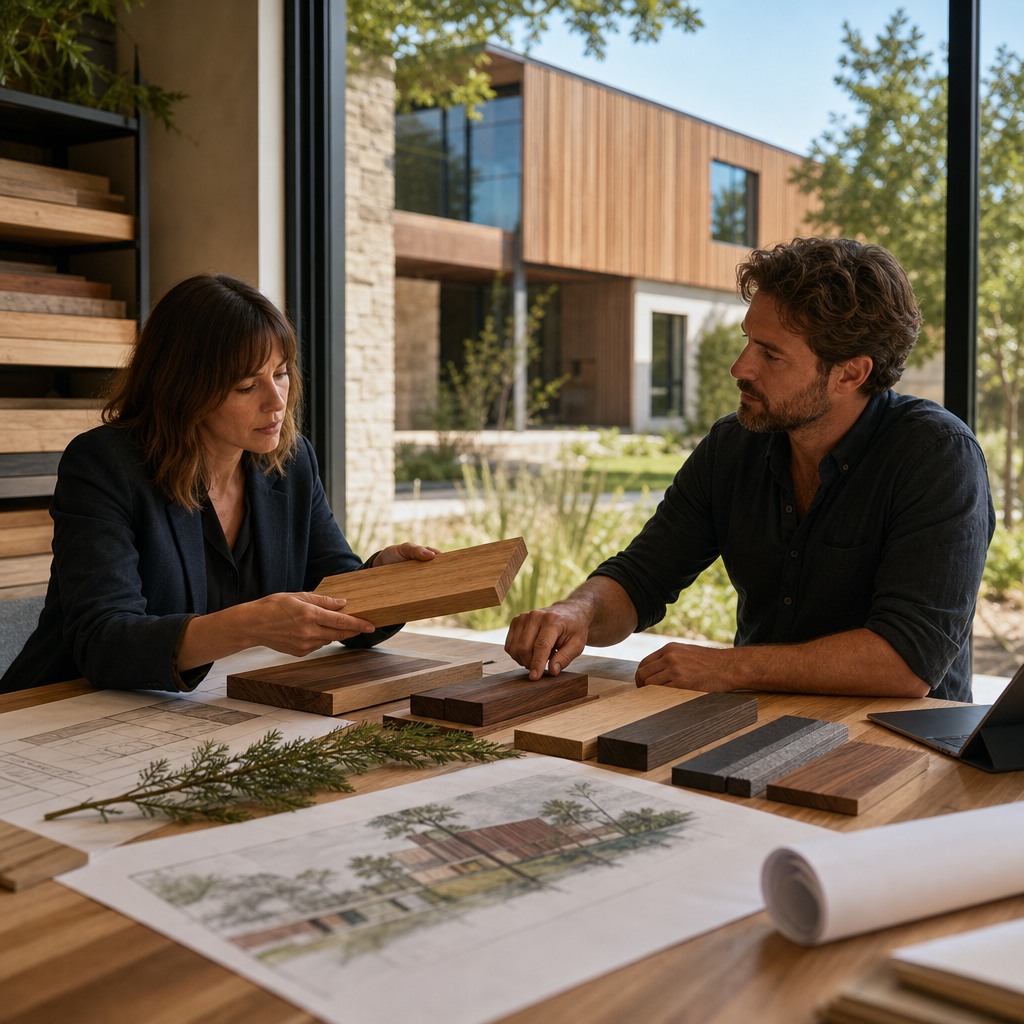
For commercial and larger residential projects, we provide documentation that supports your project management: certifications, batch records, and compliance evidence that satisfies general contractors, inspectors, and clients.
Why Leading Texas Architects Partner With Us
We work regularly with AIA-member firms throughout Texas who demand the same standards you do: material authenticity, environmental responsibility, and technical expertise. These architects choose us because we understand that specifying wood isn’t transactional. It’s foundational to how their designs communicate.
They also choose us because we solve real problems. We stock what they need, manufacture what they can’t find, deliver on schedule, and respond when unexpected challenges arise. We’re not a commodity supplier. We’re a partner who shares your commitment to craft and sustainability.
If you’re designing a residence in the Hill Country, a commercial project in Downtown Austin, or a mixed-use development in The Woodlands, we have the FSC-certified, thermally modified, and specialty hardwood inventory to support your vision. Reach out with your specifications or material questions. We’ll discuss how to bring your design to life without compromise.
To place orders, order samples, or talk with a live person.
Frequently Asked Questions (FAQ)
What FSC certification means and why it matters for our customers
We supply FSC certified wood products that verify responsible forest management and sustainable harvesting practices throughout the supply chain. For architects specifying materials, FSC certification demonstrates environmental stewardship without compromising on the premium quality and aesthetic expression your designs demand. Our inventory of certified options spans Clear and Vertical Grain Western Red Cedar, Douglas Fir, Hemlock, and hardwoods like Ipe and Cumaru, so you’re not choosing between sustainability and design vision.
Can we source specialty woods and thermally modified products for custom architectural projects
Yes, we manufacture and supply thermally modified wood products including Ash, Pine, Poplar, and Ayous alongside our full hardwood line specifically to meet the exacting requirements of contemporary design. We also stock WUI Class A fire-rated wood products for siding, cladding, decking, and framing, which allows us to support projects in fire-prone areas without limiting your material choices. Our direct manufacturing capabilities and Texas-based operations mean we can accommodate custom specifications and timelines that larger national suppliers typically cannot.
How does working with us differ from sourcing through larger national lumber companies
We offer direct access to our inventory, technical expertise, and manufacturing capabilities rather than acting as intermediaries in a national supply chain. Our team understands the design language of contemporary Texas architecture and can guide material selection to enhance your aesthetic intent while meeting code and performance requirements. Because we’re local and specialized, we build ongoing partnerships with architects rather than processing transactional orders.


