

Why Architects Demand Premium WUI-Compliant Siding Materials
Architects working on contemporary residential projects in Austin and across Texas face a singular challenge: fire safety regulations can’t compromise aesthetic vision. The wildland-urban interface (WUI) fire codes that govern properties in high-risk zones demand materials that resist ember intrusion and flame spread, yet today’s architect-designed homes increasingly rely on expressive wood exteriors as core design elements.
This isn’t a minor constraint. A home designed around warm, textured wood cladding loses its entire character when substituted with vinyl or aluminum. Your clients expect the material authenticity they see in published Lake|Flato and Page design work. They want the tactile quality of real wood, the natural aging patina, and the way timber interacts with Texas sunlight throughout the day.
FSC-certified thermowood (thermally modified wood) bridges this gap. It delivers the architectural integrity architects demand while meeting stringent Class A fire ratings required by WUI jurisdictions. The material performs at the intersection of design and code compliance, which is precisely where premium residential projects live.
What to do next: Review your project’s WUI designation early in the design phase. If your site sits within a fire-prone area, specify fire-rated materials from the outset rather than redesigning later.
The Challenge: Fire Code Compliance Without Compromising Design
The tension is real. Traditional Western Red Cedar and other naturally beautiful softwoods don’t inherently meet WUI Class A fire ratings. They’re gorgeous, time-tested materials, but they require additional fire-retardant treatments that can alter color, feel, and long-term durability. Architects often face pressure to abandon natural wood entirely and shift toward composite decking or engineered cladding, neither of which delivers the warmth and material authenticity that contemporary Texas residential design demands.
Fire code officials in Austin, the Hill Country, and surrounding high-risk zones enforce these requirements strictly. A home in Dripping Springs, Bee Cave, or Spicewood that includes unrated wood siding creates liability for builders and architects alike. The solution has historically meant compromise: accept chemical treatments, limit material options, or pivot to non-wood alternatives.
This is where thermowood changes the equation. Thermal modification achieves Class A fire ratings through heat treatment alone, not chemical additives. The wood’s cellular structure is fundamentally altered in a kiln at high temperatures, making it naturally fire-resistant without any surface treatments, stains, or additives that degrade its appearance or performance over time.
What to do next: Stop viewing fire compliance as a design constraint. Thermowood lets you specify premium wood materials that pass WUI codes from day one, eliminating redesign cycles.
How FSC Thermowood Delivers Superior Performance and Sustainability
Thermowood isn’t just a fire solution. The thermal modification process improves the material’s behavior across multiple performance dimensions that matter to architects and builders working with high-end residential projects.
The heat treatment reduces the wood’s moisture movement, which means thermowood exhibits less seasonal expansion and contraction than traditional cedar or softwoods. For projects demanding tight tolerances, clean lines, and minimal gaps over time, this translates to superior dimensional stability. A custom home in East Austin with integrated wood wall slats or fluted paneling will maintain its precision detailing year after year, even through Texas’s humid summers and dry winters.
Durability extends to rot and insect resistance. The modification process makes thermowood naturally inhospitable to decay fungi and wood-boring insects without relying on chemical preservatives. This matters both for sustainability and for clean material transparency with clients who value authenticity.
Thermally modified wood for Texas architects also scores well on sustainability metrics that matter to AIA-credentialed professionals. Our FSC-certified thermowood products come from responsibly managed forests with full chain-of-custody documentation. The thermal modification process itself requires no toxic chemicals, making it genuinely sustainable from sourcing through fabrication.
The material’s color palette is another advantage. Thermowood naturally darkens through the modification process, delivering rich, warm tones that photograph beautifully and age gracefully. Unlike chemically treated alternatives, the color is integral to the material, not a surface treatment prone to fading or peeling.
What to do next: Specify FSC-certified thermowood in your material schedules. You’ll satisfy fire codes, sustainability goals, and design vision simultaneously without requiring value-engineered alternatives.
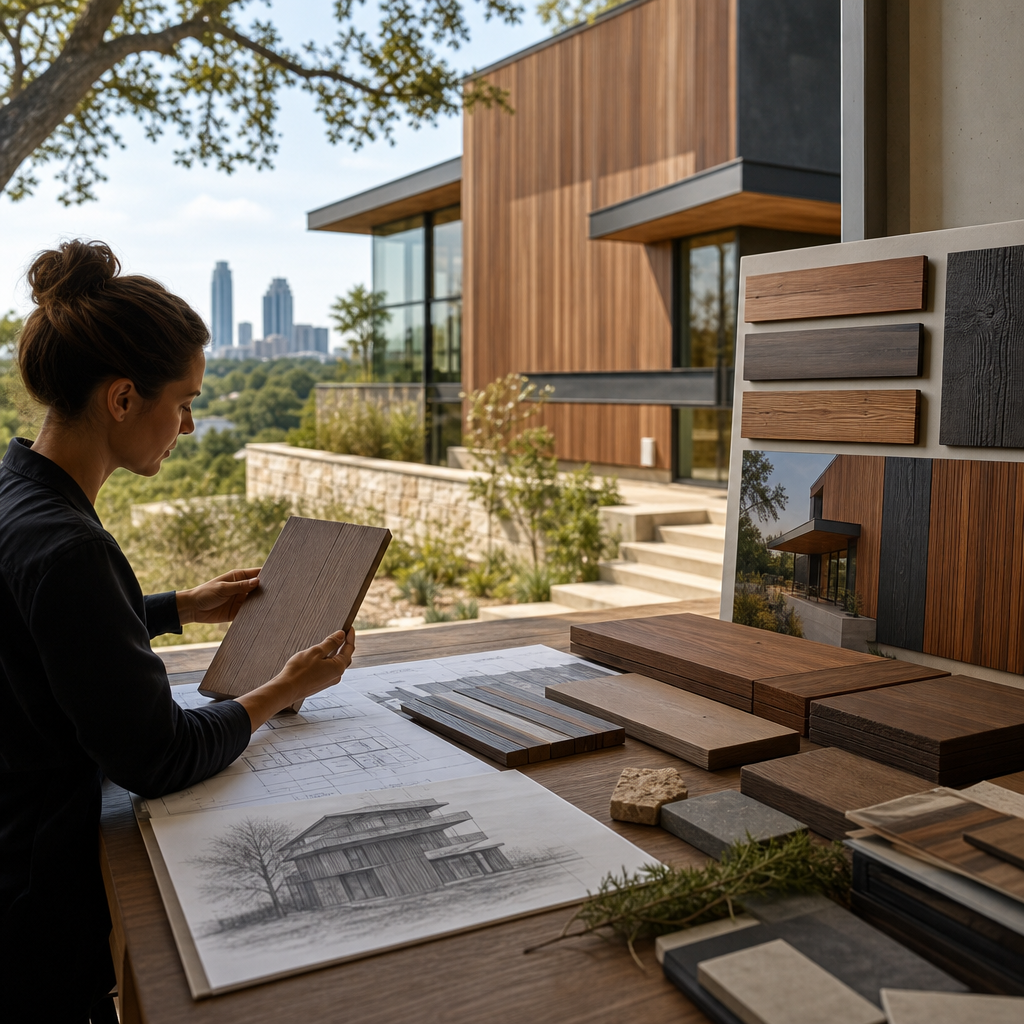
Our Range of FSC Thermowood Products for Architectural Projects
We stock a comprehensive selection of thermally modified wood species tailored to specific architectural applications across Texas and nationwide. Each performs differently, and understanding these distinctions helps you match material to design intent.
Thermally Modified Ash delivers a lighter aesthetic with subtle grain character, ideal for contemporary interiors or siding applications where you want warmth without heavy visual weight. It’s dimensionally stable and takes stain beautifully if color variation is part of your design palette.
Thermally Modified Pine offers a tighter grain structure and works well for wall paneling, soffits, and accent cladding where you want consistent appearance. It’s also our most cost-effective thermowood option without sacrificing performance or sustainability.
Thermally Modified Poplar brings a refined, almost veneer-like quality. We specify it frequently for residential projects seeking a subtle, understated wood aesthetic that reads as premium rather than rustic.
Thermally Modified Ayous (African wood) provides deeper color and tighter grain for architects pushing toward bolder material expressions. It’s excellent for feature walls, siding, and architectural accents that need visual presence.
We also source leading thermowood brands including Accoya and specialty products that meet specific aesthetic or performance requirements. Beyond thermowood, we maintain FSC-certified inventory across Clear and Vertical Grain Western Red Cedar, Yellow Cedar, Hemlock, Douglas Fir, Cypress, and Southern Yellow Pine, plus premium hardwoods like Ipe, Cumaru, Garapa, and Tigerwood for projects where fire ratings are less restrictive.
What to do next: Request physical samples of thermowood species. The dimensional and color differences matter more than specification sheets. Site-specific mockups help clients understand aging and how the material performs in actual light conditions.
Comparing Thermowood to Traditional Cedar and Composite Alternatives
Traditional Western Red Cedar remains an excellent material, but it requires chemical fire-retardant treatments to meet WUI Class A ratings. Those treatments add cost, complexity, and create maintenance considerations. The chemical-treated surface can require renewal over time, and the process often darkens the wood unevenly, affecting the refined aesthetic architects typically seek.
Composite decking and cladding (Trex, TimberTech, Fiberon) offer durability and fire ratings, but they carry significant aesthetic limitations. These products look and feel manufactured. They don’t weather naturally, don’t develop patina, and read as engineered material rather than authentic architecture. Many contemporary architects specifically reject composites because they undermine design authenticity.
Thermowood outperforms composites on visual and tactile authenticity while equaling or exceeding their durability. It outperforms chemically treated cedar because it achieves superior fire ratings without additives, maintains tighter dimensional stability, and delivers a more refined long-term aesthetic.
The cost comparison is instructive. FSC thermowood typically sits between traditional cedar and premium composites. You’re paying a premium over unrated softwoods, but the cost is offset by eliminating chemical retreatment cycles and by reducing callbacks related to dimensional movement. For architect-designed homes where material integrity directly impacts client satisfaction and project reputation, thermowood represents excellent value.
What to do next: Obtain transparent pricing on fully installed thermowood versus chemically treated cedar plus future maintenance. The long-term cost picture often favors thermowood despite higher initial material cost.
Real-World Applications in Austin’s Contemporary Designs
We’ve supplied thermowood for residential projects throughout Austin’s most discerning neighborhoods. Contemporary homes in Rollingwood, Bee Cave, and Lakeway frequently feature thermowood siding and cladding because architects there prioritize material authenticity while respecting fire codes.
A recent custom home in the Hill Country combined Thermally Modified Ash cladding on the primary facade with vertical grain Cypress accents, achieving the warm, layered materiality the architect intended while passing WUI Class A inspection. The thermowood’s dimensional stability meant the siding gaps remained tight through the first Texas summer, maintaining the crisp detailing the design required.
Another project in West Austin used thermowood wall paneling for an interior feature wall that visually connects to the home’s exterior material palette. Because thermowood takes stain consistently and resists seasonal movement, the custom stain color remained uniform across all panels, delivering the cohesive, refined look the architect specified.
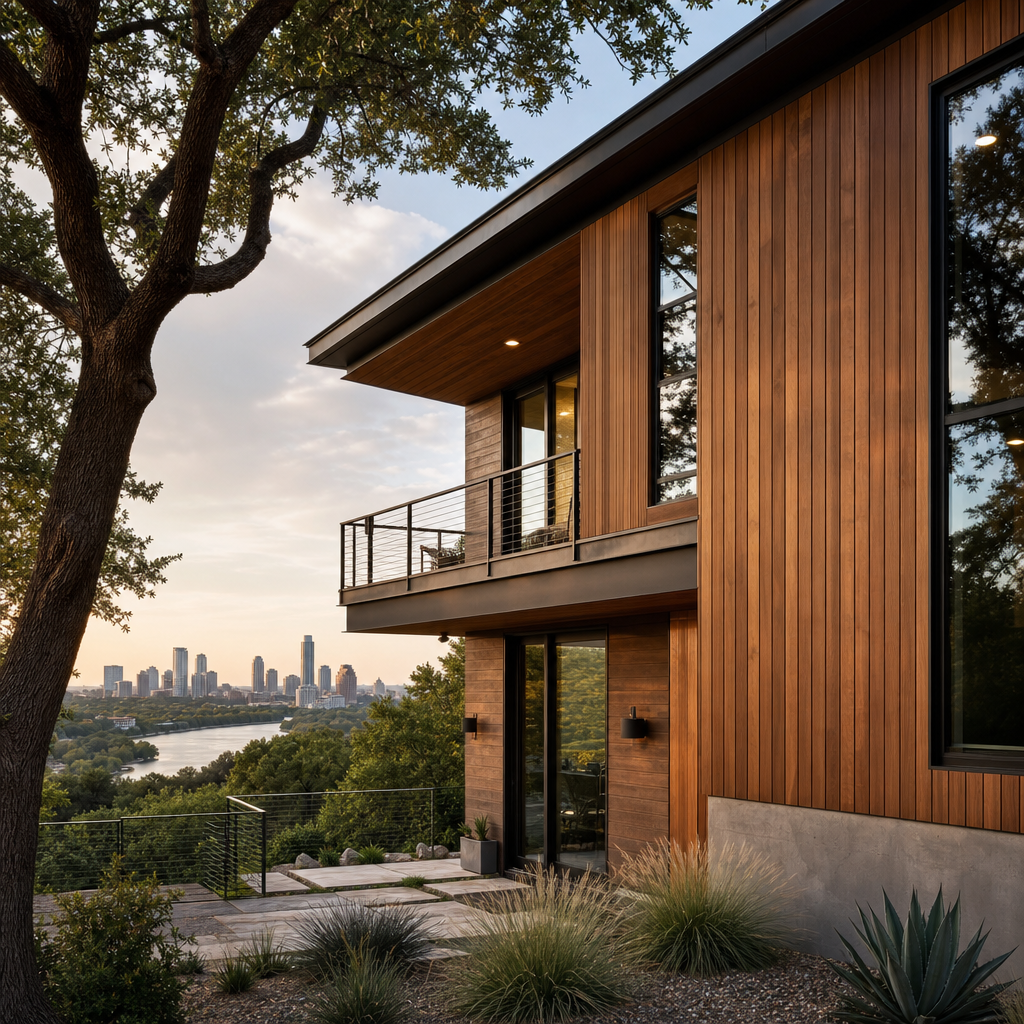
Downtown Austin renovation projects have incorporated thermowood for compatible infill cladding and replacement elements, respecting historic context while introducing contemporary wood expression. The material’s dimensional precision means custom fluted paneling and shadow-line details read exactly as designed.
These aren’t isolated examples. Austin-area architects routinely specify thermowood once they understand it eliminates the false choice between fire compliance and design integrity.
What to do next: Visit projects where thermowood has been installed in your region. Seeing the material in place, observing how it weathers, and discussing performance with the architect and builder provides confidence no specification sheet can deliver.
Why WUI Class A Certification Matters for Your Projects
WUI Class A fire rating isn’t theoretical. In Texas jurisdictions with active wildfire risk, Class A-rated materials aren’t optional. Building officials require them, and insurance carriers recognize the difference. A home with unrated siding in a WUI zone may face insurance complications, resale limitations, and code violation liability.
Class A rating means the material achieves a flame spread rating of 0-25 and smoke development of 0-450 on the ASTM E84 test. For FSC thermowood, this rating is intrinsic to the material itself, not dependent on surface treatments, coatings, or finishes. Whether the thermowood is left unfinished, stained, or sealed, the fire rating remains valid.
This consistency matters practically. Once thermowood is specified and approved, there’s no confusion about whether a particular finish compromises the rating or requires re-certification. The material performs reliably across the project lifecycle without additional cost or compliance overhead.
Properties in high-risk zones like Spicewood, Driftwood, Dripping Springs, and Horseshoe Bay increasingly require Class A materials simply to insure the home. Forward-thinking architects and builders now specify fire-rated materials proactively rather than discovering restrictions during permitting.
What to do next: Confirm your project’s WUI designation with local building officials early. If Class A materials are required, thermowood eliminates material substitution risk and keeps the design on schedule.
Selection Guide: Choosing the Right Thermowood Profile and Species
Profile selection depends on architectural intent and functional requirements. Thermowood is available as solid siding boards, fluted wall paneling, horizontal comb siding, vertical slat designs, and timbers. The profile you select dramatically impacts the finished aesthetic and the shadow-line detail the design achieves.
Solid thermowood siding mimics traditional board-and-batten expression and works well for projects seeking understated, refined exteriors. Fluted paneling creates rhythmic shadow lines that read as contemporary and catch light beautifully throughout the day. Vertical slat designs layer visual depth and work exceptionally well for accent walls or transitional spaces between exterior and interior material palettes.
Species selection balances color, grain character, and design atmosphere. Thermally Modified Ash and Pine deliver lighter, more subtle aesthetics. Thermally Modified Poplar offers refinement with moderate color depth. Thermally Modified Ayous provides visual presence and darker warmth for projects pushing toward bolder material expressions.
Consider how the thermowood will integrate with glass expanses and other primary materials. In Lake|Flato-inspired designs that emphasize natural materials and expansive glazing, warm thermowood cladding complements extensive glass by adding tactile warmth and grounding the composition. Pair thermowood species with stone, stucco, and concrete to develop material narratives that feel intentional rather than haphazard.
What to do next: Develop a material mockup showing your selected thermowood profile and species alongside adjacent materials (glass frame color, stone, concrete). View it in actual site light conditions at different times of day.
Our Proven Track Record with Texas Architects
We’ve worked with AIA-credentialed architects across Texas for years, supplying FSC thermowood and complementary materials for residential projects ranging from custom homes to multi-unit contemporary designs. Our inventory depth and sourcing reliability mean architects can specify thermowood confidently, knowing material availability won’t extend project timelines or create cost volatility.
We maintain relationships with leading thermowood producers globally, giving us access to specialty grades, custom mill work, and bespoke profiles that standard lumber yards cannot source. When an Austin architect needs Thermally Modified Ash milled to a specific fluted profile or custom width, we handle those requirements without requiring project delays or value engineering.
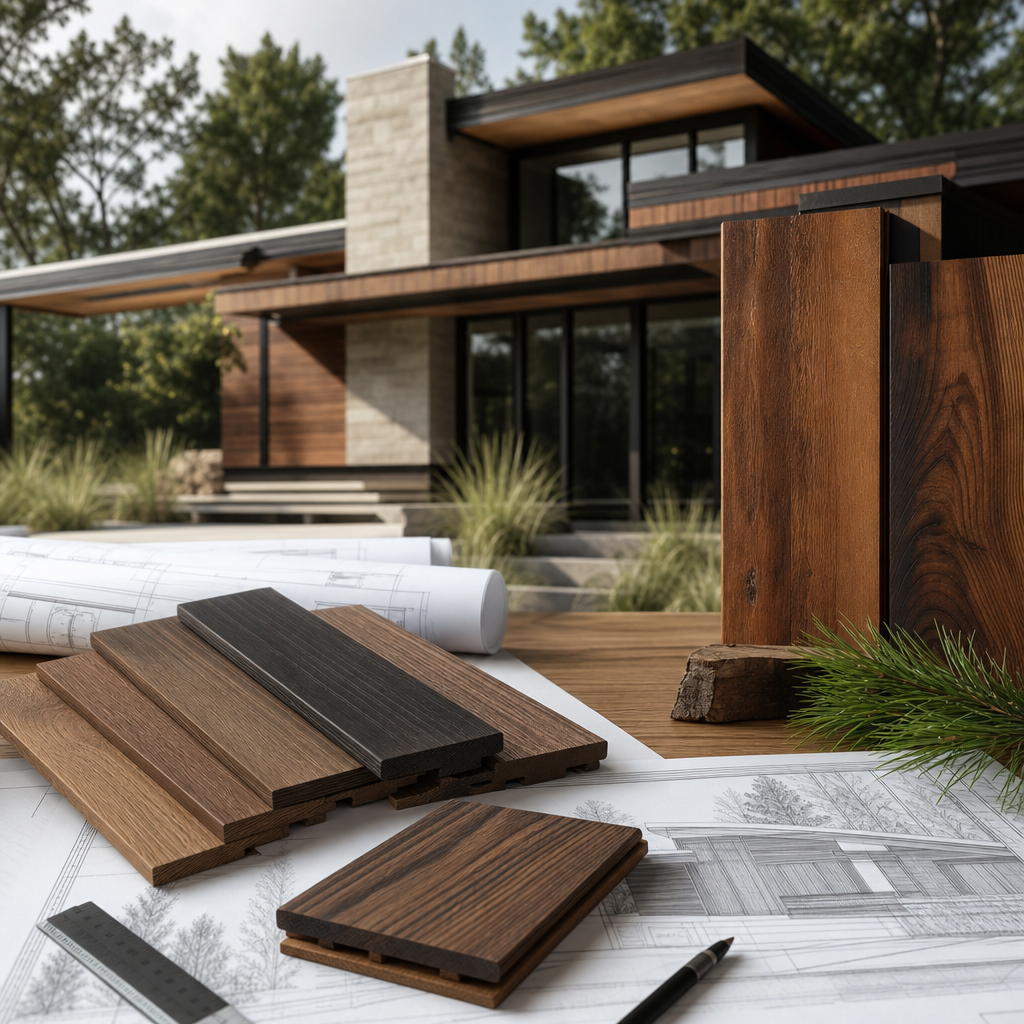
Our team understands fire rating requirements, WUI compliance pathways, and the performance characteristics that matter to sophisticated residential projects. We’ve guided architects through specification challenges, helped clarify code compliance questions, and provided material recommendations based on specific project contexts rather than generic product lines.
We also stock the complementary materials architects typically need: FSC-certified Cedar, Douglas Fir, and Cypress for non-fire-rated applications; premium hardwoods like Ipe and Cumaru for decking and siding; and leading composite brands (TimberTech, Trex, Fiberon, Arbor Wood, Tantimber) for projects where alternative materials make sense. This breadth means we’re a genuine one-stop resource rather than a single-product supplier.
What to do next: Schedule a material consultation with our team. We’ll review your project requirements, discuss thermowood performance in your specific context, and provide transparent pricing and availability timelines.
Why US Lumber Brokers Is Your Definitive Thermowood Partner
We’re not a big-box lumber retailer stocking thermowood as an afterthought. We’re a premium specialty wood supplier built specifically to serve architects and custom builders who demand authentic materials, sustainable sourcing, and reliable supply chains.
Our FSC-certified thermowood inventory is curated for architectural applications. We source products that deliver the dimensional precision, color consistency, and aesthetic refinement that contemporary residential projects require. Unlike commodity lumber suppliers, we maintain relationships directly with thermowood producers, giving us early access to specialty grades and custom milling capabilities.
We understand WUI compliance requirements and can expedite fire rating documentation for your building officials. We’ve navigated Class A certification pathways for dozens of projects and can clarify compliance requirements specific to your jurisdiction.
Our service area spans all of Texas and nationwide shipping, so whether you’re designing in Austin, the Hill Country, Dallas, Houston, or anywhere across the country, we deliver reliable material supply and technical support. For local projects, we offer site consultation and material mockup support that helps architects and builders visualize the finished aesthetic before construction begins.
Most importantly, we position thermowood as the definitive solution for your fire-rated material requirements. You don’t need to compromise between fire compliance and design authenticity. FSC-certified thermowood delivers both, and we’re the Texas supplier with the inventory depth, technical expertise, and architectural relationships to make that vision real.
Start your next project with thermowood. Contact us for samples, specifications, and availability. We’ll help you specify the right thermowood product for your specific architectural intent and WUI requirements, eliminating the design-versus-compliance trade-off that limits so many residential projects.
To place orders, order samples, or talk with a live person.
Frequently Asked Questions (FAQ)
What makes FSC Thermowood different from standard cedar siding for WUI-compliant projects?
We source thermally modified wood that achieves Class A fire ratings without chemical treatments, meeting stringent WUI requirements while delivering the aesthetic warmth architects demand. Our FSC-certified Thermowood products like Thermally Modified Ash and Pine undergo heat treatment to improve dimensional stability and durability, eliminating the performance trade-offs you’d face with traditional cedar or composite alternatives. This means your designs don’t compromise on either safety compliance or the natural wood character that defines contemporary Texas architecture.
Which thermally modified species does our inventory include for siding and cladding applications?
We stock Thermally Modified Ash, Pine, Poplar, and Ayous in profiles engineered for both siding and cladding work. Each species brings distinct grain patterns and color ranges, allowing you to match the specific aesthetic your projects require while maintaining Class A fire-rating compliance. We also maintain full availability of complementary hardwoods like Ipe and Cumaru if your designs call for mixed-material expressions.
How do we support Austin architects working on custom home projects that demand sustainable materials?
We partner directly with your design process by providing samples, technical specifications, and FSC documentation for every product line we distribute. Our team understands the architect-driven custom home market in Austin and across Texas, so we can guide material selection based on fire codes, local climate performance, and the specific visual direction of your work.


