

Why WUI Class A Certification Matters for Your Austin Projects
Wildland-Urban Interface (WUI) Class A fire ratings aren’t optional in Austin’s growing residential markets. These certifications prove your wood materials meet stringent flame-spread and smoke-development standards that protect both structures and the communities around them. When you’re designing a contemporary home in areas like the Hill Country, Dripping Springs, or Lakeway, specifying WUI Class A materials upfront eliminates permitting delays and gives building officials the confidence they need to approve your project.
We understand that architects and builders working across Texas face different fire-safety regulations depending on location and local codes. Austin’s building department takes fire safety seriously, especially in WUI zones where wildfire risk is a real consideration. Class A certification means a wood product has passed rigorous testing for flame spread (0-25 on the ASTM E84 scale) and smoke development (0-450), making it the safest wood option available for exterior applications.
Using certified materials from the start simplifies your permitting timeline significantly. Instead of submitting design alternatives or requesting variances, you’re working with products already proven compliant. This straightforward approach is what we deliver: materials that meet code requirements without compromise.
Understanding Fire Rating Documentation Requirements
Austin’s building code references NFPA 101 and the International Building Code (IBC), both of which rely on ASTM E84 test results to establish fire ratings. Your project documentation must include test reports showing flame-spread and smoke-development values for any wood product proposed for exterior use, especially in WUI zones.
The city’s permitting staff expects to see:
- Original ASTM E84 test reports from third-party labs
- Material Safety Data Sheets (MSDS)
- Flame-spread and smoke-development numerical values
- Lab certification and accreditation details
- Product-specific documentation linking test results to the exact material you’re using
Many architects discover too late that generic “cedar siding” or “hardwood decking” lacks the specific test documentation required for Class A approval. Generic certifications don’t work because each wood species, finish, and treatment combination produces different fire-performance results. Your permitting office needs evidence that the exact product on your specification sheet passed testing.
We maintain current test documentation for every WUI Class A product in our inventory, indexed by species, grade, and finish. When you specify our materials, we provide complete certification packages ready for submission to Austin building officials.
Our Certified WUI Class A Wood Solutions
Our inventory includes an extensive selection of Class A fire-rated wood products specifically chosen for architectural applications where natural wood aesthetics matter. We stock WUI Class A approved options in:
- Siding and cladding: vertical grain softwoods treated for fire compliance
- Decking: both softwood and hardwood alternatives with proven Class A ratings
- Soffits and fascia: materials that maintain visual warmth while meeting fire codes
- Timbers and structural elements: larger dimension products for architectural detailing
- Fencing: even fence materials available with Class A certification for perimeter applications
Our fire-rated wood catalog goes well beyond basic commodities. We work with manufacturers who understand that architects in Texas demand both performance and aesthetics. The Class A materials we supply don’t compromise on color, grain pattern, or the natural character that makes contemporary wood-forward design compelling.
We carry FSC-certified options, ensuring your fire-rated selections also meet sustainability standards. This dual commitment means you’re not choosing between fire safety and environmental responsibility.
Thermally Modified Woods That Meet Class A Standards
Thermally Modified Wood Siding products represent one of the most effective approaches to achieving Class A fire ratings while maintaining the warm, natural wood aesthetic contemporary architects demand. These materials undergo controlled heat treatment that fundamentally alters their fire-performance characteristics without chemical additives.
Our thermally modified lineup includes:
- Thermally Modified Ash
- Thermally Modified Pine
- Thermally Modified Poplar
- Thermally Modified Ayous
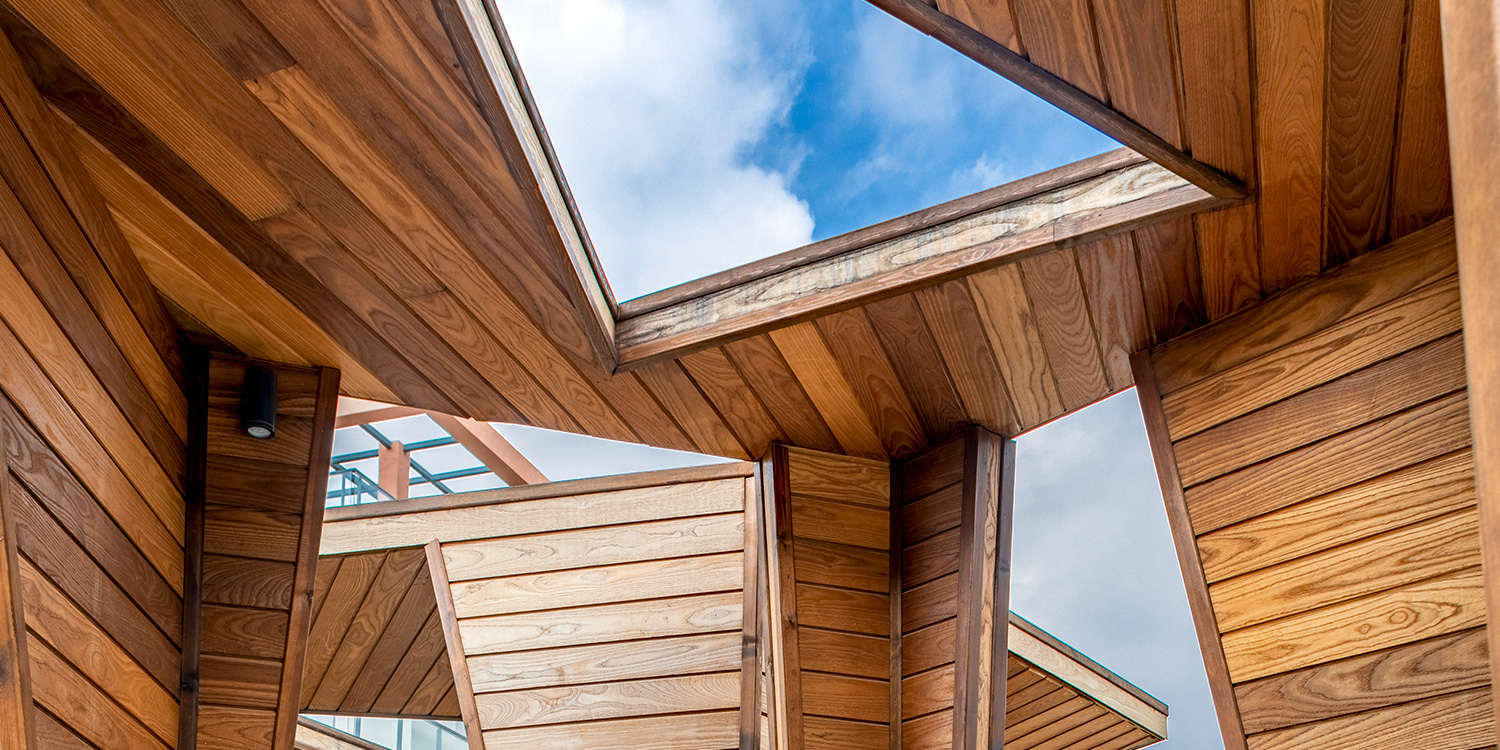
The thermal modification process increases density and reduces the material’s susceptibility to flame spread. This treatment approach is especially valuable for architects seeking the authentic wood character that chemically treated materials can’t replicate. The resulting products deliver Class A performance while maintaining the rich color and grain expression your designs require.
Thermally Modified Wood Decking options bring the same fire-performance benefits to outdoor living spaces. In Austin’s climate, where decks extend the functionality of contemporary homes, having fire-rated decking options means you’re not restricted in where you can specify wood exteriors.
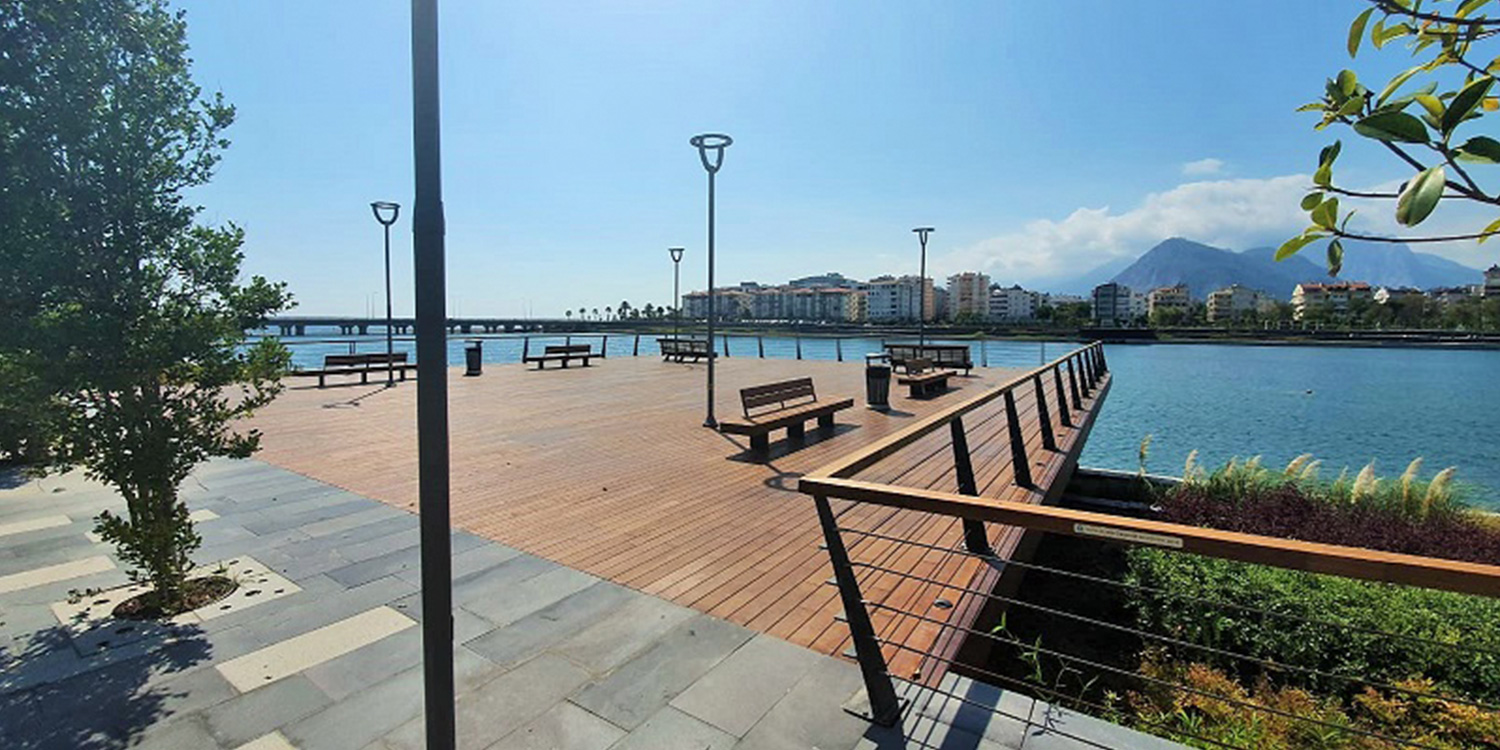
These thermally modified materials cost more than untreated wood, but the premium reflects the engineering involved and the elimination of post-specification revisions. One project delayed by fire-rating issues typically costs more than the material premium upfront.
Hardwood Species Approved for WUI Applications
Architects who prioritize the distinctive character of tropical and exotic hardwoods have Class A options available. We stock fire-rated hardwood species including:
- Ipe: superior durability and naturally fire-resistant characteristics
- Cumaru: warm tone, dense grain, Class A potential with proper treatment
- Garapa: lighter appearance with strong performance metrics
- Massaranduba: rich color and exceptional longevity
- Tigerwood: distinctive striping and natural fire-resistance properties
Ipe deserves particular attention for WUI applications. This Brazilian hardwood possesses natural fire-resistance properties that often enable Class A ratings without additional treatment. Its density and mineral content create a material that simply doesn’t burn readily. For architects designing high-end homes where both durability and fire safety matter, Ipe siding and Ipe decking deliver on both fronts.
We also work with manufacturers producing Class A versions of other tropical species through approved treatment processes. The key distinction: each hardwood species requires specific testing and certification. We don’t recommend generic “tropical hardwood” specifications; we work with exact product codes and corresponding test documentation.
Test Reports and Compliance Documentation We Provide
Every WUI Class A product we supply includes a complete documentation package. When you specify materials from us, you receive:
- ASTM E84 test reports from accredited third-party laboratories
- Specific flame-spread and smoke-development values
- Material certifications showing product consistency with tested samples
- Information sheets formatted for building official review
- Guidance on how documentation should appear in your permit submittals
We organize this information by product code and application type, making it simple for your team to extract exactly what’s needed for Austin’s building department. We’ve worked with enough local permitting offices to understand how they prefer information presented.
Additionally, we maintain records of product changes and reformulations. If a manufacturer modifies a fire-retardant treatment or changes suppliers, we update our documentation accordingly. This vigilance prevents the scenario where approved test reports don’t actually correspond to current inventory.
How Our Products Simplify the Austin Permitting Process
Submitting complete, accurate fire-rating documentation on the first pass is genuinely rare. Many architects experience back-and-forth exchanges with building officials about missing test reports, unclear product identification, or generic certifications that don’t match specific materials. These delays push timelines and frustrate everyone involved.
Our documentation approach eliminates these common friction points. When you receive test reports from us, they’re already formatted according to NFPA standards and cross-referenced to the exact product codes in your specifications. Your building department receives information they can verify and approve quickly.
We also maintain relationships with Austin-area building officials through regular project experience. While we never promise special treatment, our consistent submission of complete, accurate documentation has built a track record of smooth approvals. Building officials recognize that materials specified from us arrive with proper supporting evidence.
For architects working on multiple projects simultaneously, having a single reliable source for fire-rated wood documentation saves administrative time. Instead of tracking down test reports from various manufacturers and distributors, you coordinate with us.
Comparison of WUI Class A Options by Application
Different applications demand different material considerations. Your siding specification won’t mirror your decking choice, and both differ from soffit or timber applications.
Siding and Cladding: Thermally modified woods provide the most elegant aesthetic for contemporary exterior walls. They deliver Class A ratings while avoiding the appearance-altering effects of chemical fire retardants. If your design emphasizes natural wood warmth and subtle grain variation, thermally modified softwoods or hardwoods like Cumaru outperform alternatives.
Decking: Ipe and other dense hardwoods excel here. Their natural durability means they perform well in Austin’s climate, and many achieve Class A ratings inherently. For architects designing open deck spaces as extensions of interior living areas, hardwood decking creates visual continuity impossible with composite alternatives.
Soffits and Fascia: Vertical grain cedar and hemlock, when fire-rated, maintain the refined appearance expected in contemporary design while meeting code requirements. These elements frame your design, and material selection matters aesthetically.
Timbers and Structural Details: Larger dimension pieces used for architectural expression (post-and-beam framing visible from interiors, pergolas, dramatic overhangs) often benefit from hardwoods like Ipe or Cumaru. These materials showcase natural color and grain at scale, becoming design statements rather than merely functional components.
Architectural Integration of Fire-Rated Wood Materials
The most successful contemporary homes don’t segregate fire-rated materials as a compliance afterthought. Instead, architects integrate them as core design expressions. This requires understanding which WUI Class A materials align with your aesthetic vision.
Fire-rated thermally modified woods expand your design vocabulary substantially. Unlike chemical retardants that can dull color or alter appearance, thermal modification preserves or enhances the natural character of wood. A thermally modified ash soffit reads authentically as wood, not as a compromise material.
Specifying hardwoods like Ipe for siding or decking doesn’t feel like a constraint either. These materials possess inherent visual distinction. Their density and rich coloration become design assets rather than compliance solutions. Architects designing in areas like Tarrytown or the Hill Country often find that hardwood choices create the warm, substantive aesthetic their contemporary designs demand.
The integration principle extends to mixed-material compositions. Thermally modified wood siding paired with expansive glass and steel detailing creates the warm-and-modern dialogue contemporary practice emphasizes. Fire ratings support this aesthetic direction rather than limiting it.
Documentation Support From Our Team
We don’t simply ship products and documentation. Our team actively supports your permitting process. When questions arise about fire ratings, material equivalencies, or code applications, we provide direct answers grounded in actual testing data and code interpretation.
If your project requires submitting documentation to Austin’s building department, we brief you on what officials typically request, how they prefer information organized, and whether any product clarifications might accelerate approval. This guidance comes from genuine project experience, not generic best practices.
We also maintain current knowledge of code changes. Austin’s building standards evolve, and we stay informed about how fire-rating requirements apply to specific applications. If a specification changes or a code interpretation shifts, we notify relevant customers proactively.
For architects on multiple projects, we can coordinate documentation across specifications, ensuring consistency and reducing administrative overhead.
Making the Right Selection for Your Project Specifications
Selecting the right WUI Class A materials requires matching fire-performance requirements with aesthetic intent and practical durability. This isn’t a decision that benefits from generic recommendations.
Start by clarifying your project’s specific WUI requirements. Not all Austin locations demand Class A materials equally; some areas face higher wildfire risk than others. Understanding exactly what your site demands shapes the entire specification.
Next, establish your aesthetic priorities. Are you designing warm, natural wood expression as a primary visual element? If so, thermally modified woods or hardwoods like Ipe deliver fire compliance while preserving authentic character. Does your design emphasize refined detailing and craftsmanship? Specifying premium grades and carefully considered finishes matters alongside fire ratings.
Finally, consider longevity and maintenance expectations. In Austin’s climate, some fire-rated materials outperform others. Ipe’s natural durability means minimal maintenance. Thermally modified woods perform well but may require occasional refinishing. Understanding the complete lifecycle cost and care requirements prevents costly surprises.
We guide you through this selection process with direct product recommendations grounded in your actual project context. Rather than presenting an overwhelming catalog, we narrow options to those genuinely suited to your specifications, site conditions, and design vision.
Why We Are Your Preferred WUI Class A Partner
We’re Texas-based and deeply embedded in local building practices and permitting requirements. Our understanding of Austin-specific code applications and official expectations comes from consistent project experience, not secondhand research. When your specifications require fire-rated materials that also deliver architectural integrity, we know which products perform and how to support your approval timeline.
Our inventory depth in WUI Class A materials is genuine. We stock thermally modified woods, hardwood species, and softwood options across the quality spectrum. Rather than special-ordering materials, we pull from existing stock and deliver quickly. This inventory commitment reflects our confidence in these products and our understanding of genuine architect demand.
The documentation we provide isn’t a formality. We’ve organized test reports, certifications, and technical information according to how Austin building officials actually review submissions. Your team spends less time managing paperwork and more time on design.
Finally, we approach fire-rated wood specifications as architectural opportunities, not compliance burdens. The materials we stock deliver performance alongside the aesthetic warmth and natural character that define contemporary Texas architecture. You’re not choosing between fire safety and design vision. Our products prove these goals align entirely.
When your next project requires WUI Class A materials, specify with us. You’ll receive fire-rated products backed by complete documentation, supported by a team who understands your local permitting landscape, and delivered with the aesthetic sophistication your designs demand.
To place orders, order samples, or talk with a live person.
Frequently Asked Questions (FAQ)
What WUI Class A documentation do we provide for permitting?
We supply complete test reports and compliance documentation for every WUI Class A product we offer, including flame spread ratings and smoke development data that meets Austin building code requirements. Our team handles the paperwork so architects and builders can move forward with confidence during the permitting process. We also provide material safety data sheets and installation specifications that inspectors expect to see.
Which of our wood species qualify as Class A fire-rated?
We stock several options that achieve Class A status, including our thermally modified ash, pine, and poplar products, plus select hardwoods like Ipe and Cumaru. Our Douglas Fir, Hemlock, and Western Red Cedar lines also include WUI-approved options for siding, decking, and cladding applications. Each species comes with its own test documentation so you can verify ratings before specifying materials for your project.
How do thermally modified woods compare to chemically treated Class A products?
We carry thermally modified woods because they deliver Class A performance without chemical treatments, which aligns with the natural material aesthetic your designs emphasize. These products maintain the authentic wood appearance while meeting fire safety requirements, and we handle sourcing the certified test reports to streamline your permitting. The documentation is straightforward, and installation methods remain consistent with standard wood practices.


