

The Architect’s Challenge: Translating Design Intent to Built Reality
You’ve designed a contemporary residence with clean horizontal lines, strategic shadow gaps that catch light at different times of day, and exterior walls that visually dissolve the boundary between indoors and outdoors. Your client loves it. Your contractor reads the details and squints at the specifications. The gap dimensions are exact. The material performance requirements are non-negotiable. The visual impact depends entirely on precise installation.
This is where most projects lose their edge. The gap between architectural intent and field reality widens faster than the shadow lines you’ve designed. Builders comfortable with standard framing and conventional materials struggle when shadow gap systems demand millimeter-level consistency, coordinated material expansion rates, and installation sequencing that can’t be improvised on site.
We work with this challenge every day. Our role isn’t just supplying cladding materials—it’s ensuring your design vision survives the journey from CAD drawing to finished exterior wall. That means understanding how materials move, how installation technique affects shadow depth perception, and which product specifications actually deliver the clean lines your design demands.
Why Shadow Gaps Matter in Contemporary Architecture
Shadow gaps aren’t decorative afterthoughts. They’re functional architectural language that separates planes, creates visual rhythm, and anchors modern design intent. A shadow gap creates a hairline void between two cladding surfaces, allowing ambient light to define the separation rather than relying on a visible joint or transition piece.
The result is clean. Minimal. Purposeful. It’s the difference between a well-designed contemporary home and one that looks competent but forgettable.
From a performance standpoint, shadow gaps solve real problems. They accommodate material movement without telegraphing the shift to observers. They create space for flashing and waterproofing without disrupting the visual plane. They allow each cladding run to finish naturally rather than requiring awkward butt joints or trim pieces that break the material expression.
For architects in Texas, shadow gaps respond directly to the climate realities we face. Wood expands and contracts significantly under our temperature and humidity swings. A properly designed shadow gap absorbs that movement gracefully rather than forcing cramped joints that either gap excessively or create visible strain lines.
How Shadow Gap Systems Define Modern Aesthetic Expression
Shadow gaps fundamentally change how people perceive the building’s surface. At dawn or dusk, the gap becomes a dramatic dark line that articulates form. Under noon sun, the shadow fills depending on the gap depth and angle. The visual effect shifts throughout the day, giving the building a living quality that static materials simply can’t match.
This is precisely what architects like Lake|Flato and Page leverage in their work. The warm wood tones combined with shadow gap articulation create depth without visual clutter. Every element earns its place. Nothing feels applied or cosmetic.
The challenge is execution. A shadow gap that’s too shallow disappears at certain angles. One that’s too deep becomes an actual cavity prone to dirt and water entrapment. The depth must be calculated relative to the material width, the wall’s orientation, and the specific light angles you want to activate. This isn’t guesswork—it’s deliberate design geometry that requires specification precision and installation rigor.
Material selection affects shadow perception too. Clear grain vertical grain cedar reads differently than thermally modified wood with more varied figure. The grain orientation matters. The finish selection matters. All of these decisions compound as you layer shadow gaps across an elevation.
Our Engineered Cladding Solutions for Precise Shadow Gap Details
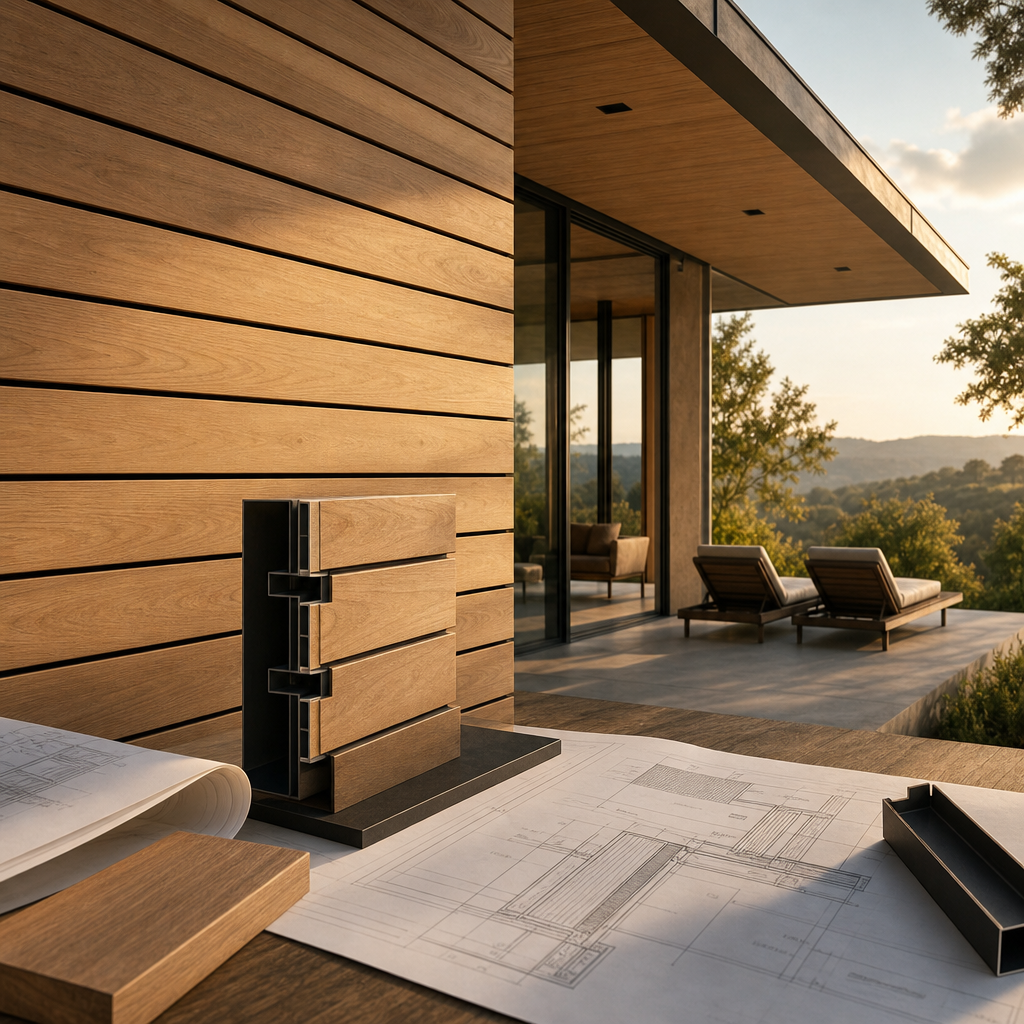
We’ve engineered our cladding systems specifically for shadow gap applications because we understand that standard material tolerances and conventional installation methods won’t deliver the results your designs demand.
Here’s what we provide:
Dimensionally consistent material. Our vertical grain softwoods including Clear Western Red Cedar, Douglas Fir, and Hemlock maintain tight tolerances in width and thickness. This consistency is non-negotiable for shadow gaps where variation becomes visually obvious.
Pre-milled profiles. Rather than providing rough material that requires field sizing, we offer custom milled cladding in exact profiles your detail drawings specify. This eliminates one major source of installation error and keeps material movement predictable.
Flashing and substrate coordination. Shadow gap systems demand integration with concealed flashing, vented substrates, and waterproofing layers. We work backward from your finish detail to specify what sits behind the visible cladding, ensuring that shadows gaps don’t compromise weather performance.
Installation support. Our team doesn’t hand off material and disappear. We provide detailed installation specifications tailored to your project, on-site consultation for complex conditions, and coordination with your general contractor to ensure the installation sequence maintains design intent.
Material Selection for Perfect Shadow Gap Performance
The wood species you select determines how shadow gaps will perform and age. Each material moves differently, finishes differently, and weathers differently.
Vertical grain softwoods remain our preferred foundation for shadow gap systems. The straight grain pattern is visually consistent, the material is stable relative to flat-grain alternatives, and the warm honey tones integrate beautifully with contemporary design. We stock Clear Western Red Cedar, Douglas Fir, and Hemlock in vertical grain specifically for this application. These materials are proven performers in Texas climate conditions across decades of built examples.
Hardwoods and exotic species like IPE Cladding offer different visual and performance characteristics. IPE’s dense grain structure and color depth create shadow gaps with heightened contrast. Cumaru and Garapa provide warmth with enhanced rot resistance. These materials cost more but deliver visual distinctiveness and extreme durability for clients who want their homes to age beautifully over 50+ years.
Material movement profiles are critical. You must know expected expansion and contraction rates to calculate safe gap dimensions. Western Red Cedar moves approximately 4-5% across the grain width under seasonal humidity swings. This knowledge directly informs your shadow gap specification.
Actionable step: Request material movement data from your supplier before finalizing shadow gap dimensions. Don’t estimate. Measure actual material samples in your climate conditions if the project justifies that level of precision.
Thermally Modified and Fire-Rated Options for Complex Designs
Thermally Modified Wood Siding represents a significant advancement for shadow gap systems in Texas. The thermal modification process stabilizes wood at the cellular level, reducing movement to roughly 50% of untreated material. This means you can specify tighter shadow gaps and still accommodate seasonal cycling safely.
For WUI (Wildland-Urban Interface) properties in the Hill Country, Dripping Springs, Spicewood, and surrounding areas, Class A fire-rated cladding transforms shadow gap design possibilities. These products meet ignition-resistant standards while maintaining the visual warmth and natural character that defines contemporary Texas architecture. The performance comes without sacrificing the clean lines you’ve specified.
We supply both thermally modified hardwoods and FSC-certified fire-rated softwoods designed for shadow gap installations. The engineering is different for each material family, which is why specification matters before material selection rather than after.
Installation Specifications That Maintain Design Integrity
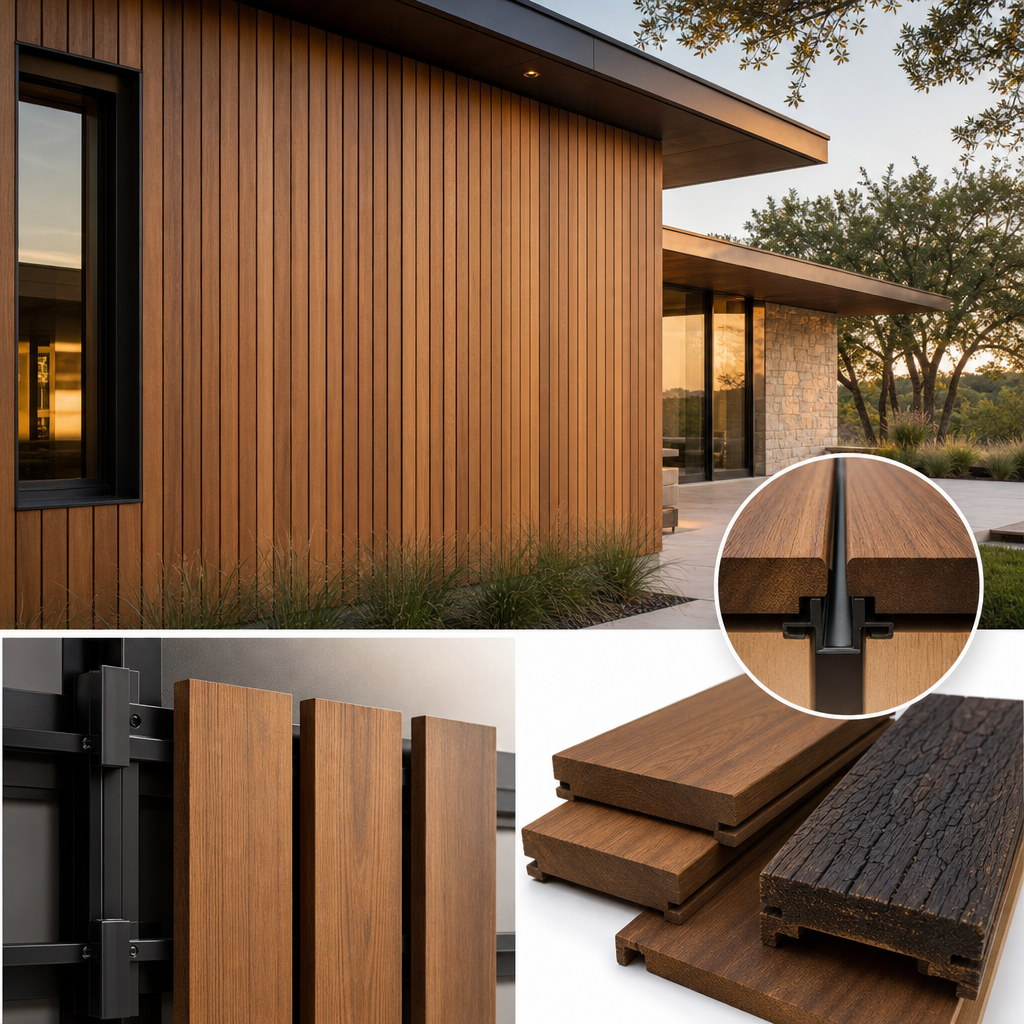
Installation sequencing determines whether shadow gaps remain sharp or blur into visual confusion. Here’s what proper shadow gap installation requires:
Substrate preparation. The wall structure must be dead flat and properly vented. Irregularities in the substrate become visible in shadow gaps because the cladding sits in a plane above the substrate rather than conforming to it.
Fastener placement. Fasteners must be positioned to allow material movement without binding. This typically means fastening through one face of the shadow gap rather than bridging across it. Blind fastening with stainless steel hardware is standard practice for visible gaps.
Sequencing discipline. Each cladding run must be installed in the correct order. Bottom-to-top installation with proper overlap prevents water entrapment. Each piece must be secured before the next run begins, preventing cumulative alignment drift.
Gap cleaning during installation. Dust, debris, and fastener residue inside shadow gaps become permanent. Work discipline including regular vacuuming and wipe-down is essential. This sounds basic but is often overlooked in field conditions.
We provide detailed installation specifications for every project that account for your specific material selection, local climate conditions, and design geometry. These specifications become part of the contract requirements—not suggestions or guidelines, but enforceable performance standards.
Real Projects: Shadow Gap Systems in Texas Architecture
Our shadow gap installations in the Austin area and across Texas demonstrate how precise specification and material selection work together. A contemporary home in the Hill Country featured Douglas Fir cladding with 2-inch shadow gaps running horizontally across three elevations. The fir’s warm amber tone deepened over the first 18 months, while the shadow gaps maintained their visual definition because the material’s vertical grain stability kept cupping and warping to minimal levels.
Another project in Lakeway used thermally modified ash with 1-inch shadow gaps. The modified wood’s stability allowed tighter gaps than untreated material would have tolerated, creating sharper visual articulation. The ash’s distinctive figure read beautifully through the gaps as light caught the grain pattern at different times of day.
In each case, success traced back to specification clarity, material consistency, and installation protocol. There’s no substitute for getting these elements right from the start.
Sustainability and FSC Certification in Modern Cladding
Contemporary architecture and sustainability aren’t separate conversations—they’re integrated. Most of the architects we work with specify FSC-certified materials as standard practice. The certification ensures responsible forestry management while maintaining the material quality shadow gap systems demand.
We maintain FSC-certified inventory across our vertical grain softwoods and select hardwood species. This isn’t a premium option we offer conditionally—it’s our default sourcing approach. The material performs identically to non-certified alternatives while supporting forest management practices that align with your design values.
Thermally modified products present additional sustainability benefits. The modification process extends material lifespan by 15-20 years compared to untreated wood, reducing replacement frequency and embodied carbon impact over a home’s lifecycle.
Working with Us: From Design Concept to Installation
Our process begins during design development rather than waiting until material procurement phase. We review your shadow gap details, verify material selection against performance requirements, and identify potential field conditions that might compromise execution.
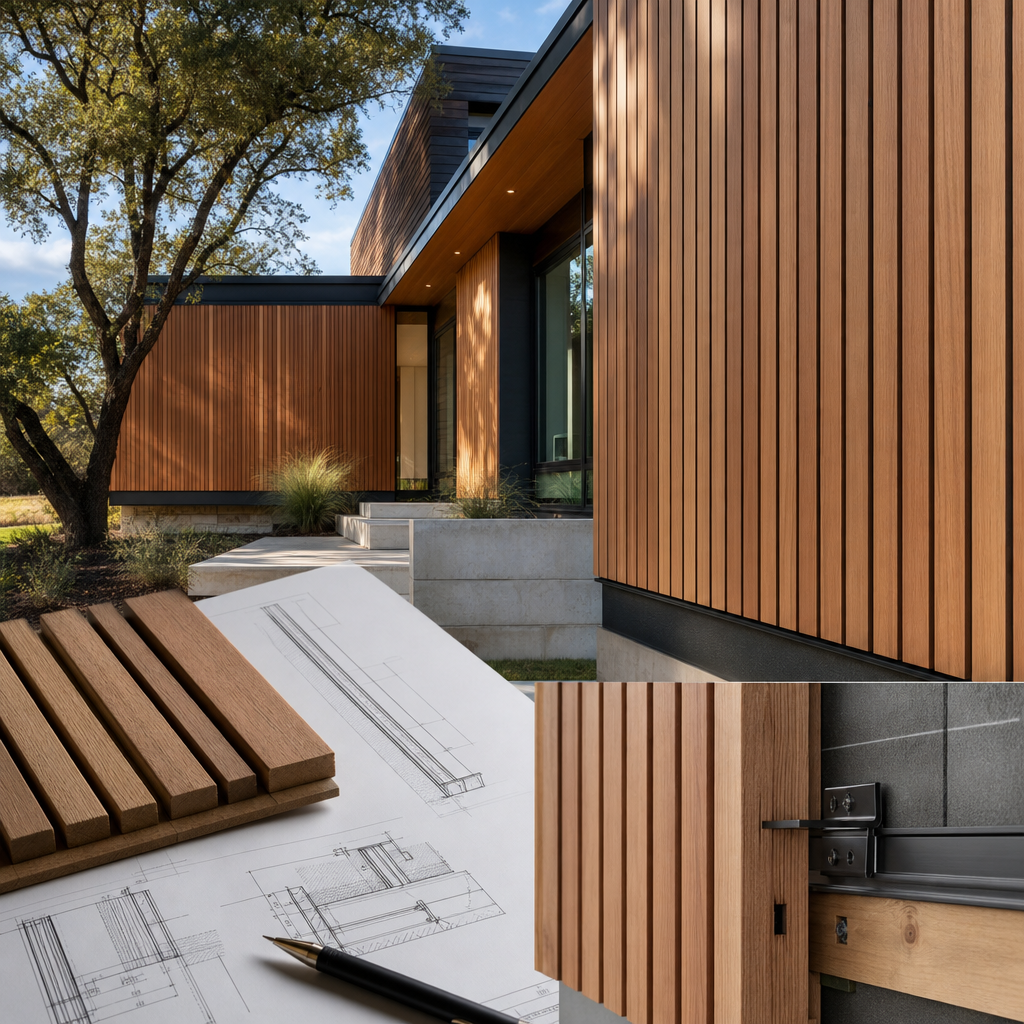
Design phase collaboration: We provide material samples showing actual grain characteristics, color range, and surface options. We review your shadow gap dimensions relative to material movement profiles and recommend adjustments if necessary. We discuss installation methodology with your contractor to identify any coordination challenges early.
Specification support: We help translate your details into material specifications that suppliers and contractors understand uniformly. Ambiguous specs create field improvisation. Clear specs create consistent results.
Material supply and quality control: We mill or source material to your exact profile and dimension requirements. We visually inspect for grade consistency and dimension accuracy before shipment. We provide documentation supporting FSC certification, fire ratings, or thermal modification where specified.
Installation coordination: Our team provides site consultation at project start to verify substrate preparation and installation understanding. We’re available throughout the project for field questions or unexpected conditions that require specification clarification.
This isn’t transactional material supply. We’re invested in your project’s success because your reputation for design excellence is built on our ability to deliver the material performance your details require.
Why Texas Architects Choose Our Cladding Expertise
Texas architects have elevated expectations for wood material quality and installation precision. The contemporary design culture reflected in firms throughout Austin, Dallas, Houston, and San Antonio demands cladding that performs as designed while aging beautifully.
We’ve built our business around understanding shadow gaps and precision cladding systems because we work daily with architects who won’t accept compromises on design intent. We maintain inventory in the specific material families—vertical grain softwoods, thermally modified species, and fire-rated products—that shadow gap details require. We’ve invested in milling capabilities rather than relying on commodity suppliers. We provide installation guidance rather than just shipping material.
Your next shadow gap project deserves a partner who understands that clean lines and perfect shadows are built, not hoped for. Contact us during design development so we can support your vision with material that performs and installation specifications that maintain your design integrity from first pencil through final inspection.
To place orders, order samples, or talk with a live person.
Frequently Asked Questions (FAQ)
What materials do we recommend for shadow gap cladding systems that need to perform in Texas climate conditions?
We specify vertical grain Western Red Cedar, Yellow Cedar, and thermally modified wood products like Thermally Modified Ash and Pine for shadow gap applications across Texas. These materials provide the dimensional stability needed to maintain precise gap spacing through seasonal temperature and humidity shifts. We also stock WUI Class A fire-rated options when building codes require them, ensuring your design intent stays intact without compromising safety or aesthetics.
How do we ensure shadow gap details remain true to architect specifications during installation?
We provide detailed installation specifications and work directly with your construction teams to verify tolerances before material delivery. Our engineered cladding solutions account for wood movement and fastening methods that preserve the exact shadow line you’ve designed. We’ve completed numerous projects across Austin, Dallas, Houston, and the Hill Country where precise gap performance has been critical to the final aesthetic.
Can we supply FSC certified wood products for shadow gap systems?
Yes, we stock FSC certified materials across our softwood and hardwood inventory, allowing you to meet sustainability goals without compromising on the precision your contemporary designs demand. Our thermally modified options and engineered cladding systems all maintain FSC certification standards, supporting both your project requirements and environmental commitments.


