

Why FSC Certification Matters for Architect-Driven Projects
Your architectural vision depends on material integrity. When you specify wood for a contemporary Texas home, you’re making a commitment not just to aesthetics but to environmental stewardship. FSC (Forest Stewardship Council) certification proves that the timber we source comes from responsibly managed forests where ecological balance, worker rights, and community interests are protected.
For architects, this matters beyond philosophy. FSC certification adds measurable credibility to sustainable design claims. It differentiates projects in a market where clients increasingly expect environmental accountability. When you present a design featuring FSC-certified cedar siding or hardwood cladding, you’re delivering proof of responsible sourcing, not just a promise.
We understand that modern contemporary architecture in Texas emphasizes authentic materials. FSC certification preserves that authenticity while ensuring the forests supplying those materials remain viable for future generations. It’s the practical alignment of design integrity with environmental responsibility.
Next step: Document your project’s sustainability goals early. Knowing whether FSC certification is required by client expectations, local green building standards, or LEED criteria will shape material selection from the start.
Understanding FSC Chain-of-Custody Requirements
FSC chain-of-custody (CoC) is a documented pathway tracking timber from forest to final product. Every step matters: harvesting, transportation, processing, manufacturing, and distribution must maintain certified status through documented handoffs.
Think of CoC like a timber passport. At each stage, the supplier verifies they received certified material, processed it according to standards, and passed it forward with proper documentation. Without this unbroken chain, claims of certification become meaningless.
Key requirements include:
- Certified mills and manufacturers must maintain separate inventory for FSC material
- Records must track material flow, mixing (if applicable), and sales
- Auditors verify documentation annually
- Any gap in the chain breaks certification status
For you as an architect specifying materials, this means your lumber supplier must hold active FSC CoC certification. We maintain this certification and audit compliance specifically to serve architects like you who demand verified sourcing.
Actionable step: Request CoC certificates from any supplier you consider. Verify the certificate number through the FSC database at fsc.org. An unwillingness to provide this documentation is an immediate red flag.
The Challenge: Maintaining Certification Through Supply Chain
Real-world supply chains are complex. Materials move through multiple distributors, manufacturers apply finishes or modifications, and inventory interacts with non-certified stock. Every transition point introduces risk of certification loss.
We’ve experienced this firsthand. Sourcing FSC-certified hardwoods like Ipe or Cumaru for Texas projects requires working with mills and importers who genuinely maintain certification standards, not merely claim them. Some suppliers cut corners on documentation or mix certified and non-certified material without proper segregation.
Weather, shipping delays, and manufacturing adjustments add complexity. A thermally modified cedar siding requiring custom grading can lose certification if handling doesn’t preserve documentation integrity. This is why we invest in dedicated inventory management and trained staff who understand certification protocols.
The honest reality: maintaining FSC CoC certification costs more than ignoring it. Mills and distributors invest in separate inventory spaces, rigorous record-keeping, and regular audits. These expenses reflect commitment to actual standards, not window dressing.
What to do: Budget appropriately for certified materials. If a quote for FSC wood is suspiciously low, question whether certification is genuinely maintained or simply advertised.
How We Manage FSC Documentation and Tracking
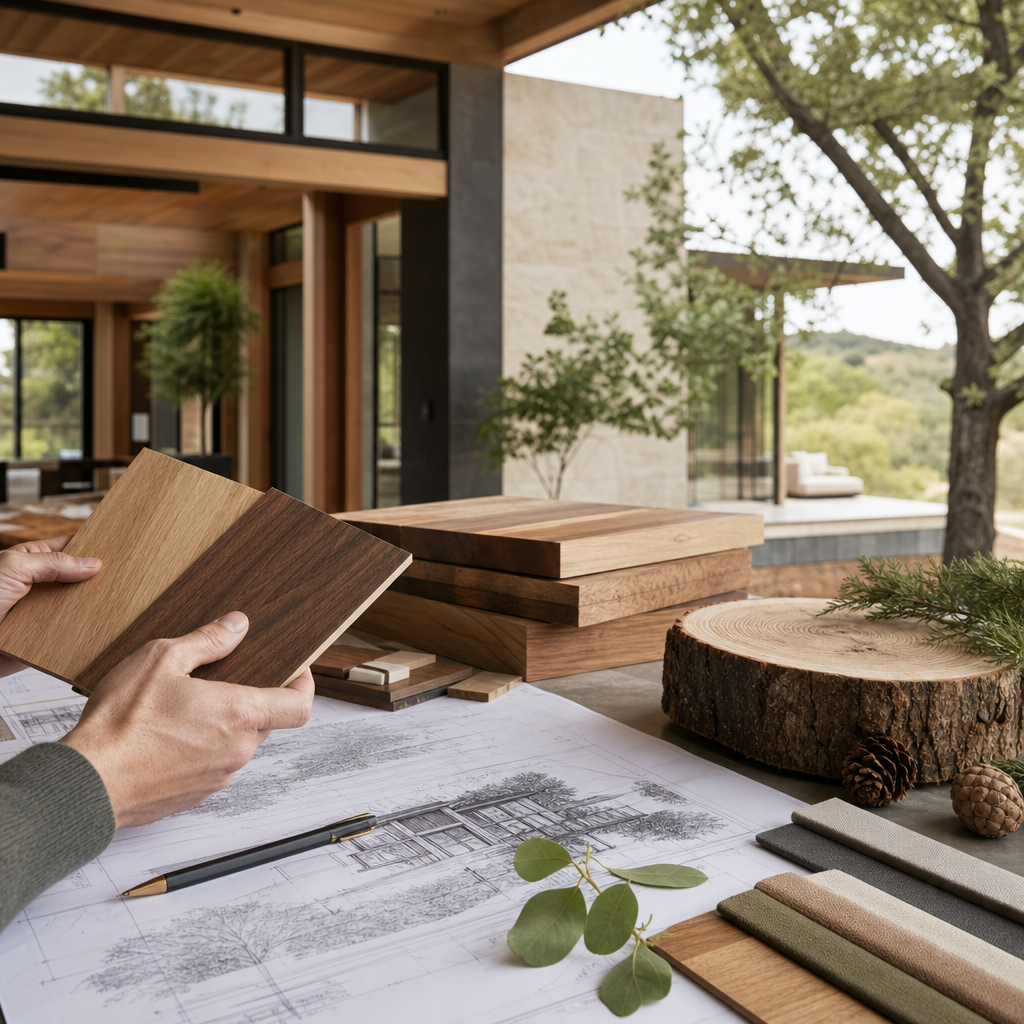
We maintain FSC CoC certification through structured systems that most architects never need to see but should trust are happening behind the scenes.
Our process includes dedicated storage segregating certified from non-certified inventory. When you order FSC-certified Western Red Cedar siding or Douglas Fir cladding, it comes from designated stock managed separately. We don’t commingle materials, which would require breaking certification.
Documentation tracking follows strict protocols. Every incoming shipment includes supplier CoC certificates verifying source material status. Our warehouse team logs receipt, tracks inventory consumption, and documents outgoing sales with FSC certificates attached. Annual audits by third-party FSC auditors verify this entire system.
For custom manufacturing like vertical grain siding or fluted wall slats, we work with approved FSC-certified processors. We verify their certification status before releasing material for processing and maintain custody documentation throughout the work.
Our software system flags all FSC material, creating audit trails for every piece we sell. This isn’t elegant, but it’s reliable and verifiable.
Immediate action: When ordering from us, specify FSC certification requirements clearly. We’ll provide CoC certificates with your invoice, documenting the certified source from forest to delivery.
Our FSC-Certified Wood Selection for Contemporary Design
Contemporary Texas architecture thrives on material expression. We offer FSC-certified options across the wood types that define this aesthetic.
Clear and Vertical Grain Western Red Cedar remains the standard for warm, light-filled interiors and exterior cladding. Our FSC-certified inventory includes premium grades suitable for high-visibility applications where wood character is part of the design intent.
For architects seeking durability and deeper tones, FSC-certified hardwoods deliver. Ipe decking and cladding offer the rich density and weathered patina that sophisticated projects demand. Cumaru, Garapa, and Tigerwood provide alternatives with distinct grain patterns and color evolution.
We also stock FSC-certified thermally modified wood for Texas architects, which combines material expression with enhanced durability. Modified ash and pine achieve warm tones while meeting fire-rating and performance requirements that modern projects increasingly require.
Yellow Cedar and Hemlock expand possibilities for light-toned designs where cedar’s warmth complements expansive glass and open spatial planning.
Next step: Share material mood boards or finish samples with us during design development. We’ll identify which certified options best match your aesthetic vision and performance requirements.
Integrating Certified Materials Into Your Project Specifications
Specification writing requires precision when FSC certification is required. Vague language like “use sustainable wood” creates ambiguity that leads to substitutions at construction time.
Clear specifications should state:
- Specific wood species and grades
- “FSC Chain-of-Custody certified” (not merely “sustainable”)
- Required certificate provision (CoC certificates delivered with material)
- Finish and mill certifications if applicable
We recommend including language that suppliers must provide CoC certificates before material acceptance on site. This simple requirement ensures accountability and catches substitutions before installation.
When specifications reference thermally modified wood or fire-rated siding, clarify whether FSC certification applies to the base timber before modification. Some processes affect certification status, so transparent communication prevents surprises.
For composite alternatives like TimberTech or Trex, note that these products differ from solid wood certification. Document sourcing separately if a project mixes certified solid wood with composite materials.
Action item: Send us draft specifications for review. We’ll identify potential certification gaps and suggest language refinements that protect your design intent.
Timeline and Process for FSC-Certified Procurement
FSC-certified material doesn’t move as quickly as commodity lumber. Planning ahead prevents delays that compromise construction schedules.
Standard process takes 6-8 weeks from order to delivery for most species in our inventory. Western Red Cedar and Douglas Fir typically ship within this window. Imported hardwoods like Cumaru or specialty items may require 10-12 weeks due to mill scheduling and documentation processing.
Lead time begins only after we confirm your material specifications and obtain approved mill sourcing. Vague orders or frequent design changes extend timelines significantly. Architects who lock specifications early receive materials on schedule.
Mill audits occur annually, typically in off-peak seasons. We plan inventory around these audit windows to maintain material availability. If your project timeline falls during an audit period, discuss scheduling with us directly.
CoC documentation adds approximately 1-2 weeks to final processing. Certificates must be generated, verified, and attached to shipping documents. Plan accordingly in your construction schedule.
Critical next step: Confirm material specifications 8-10 weeks before required delivery. We’ll commit to lead times and provide weekly updates on mill scheduling.
Cost Considerations and Value of Certification
FSC certification increases material costs by 8-18% depending on species and sourcing region. Ipe hardwoods carry higher premiums than softwoods like Cedar because certified tropical hardwood supply is more limited globally.
This premium reflects real costs: mill certification maintenance, audit fees, segregated inventory management, and documentation administration. It’s not marketing markup.
The value justifies the cost for most contemporary architecture projects. FSC certification:
- Differentiates projects in sustainable design markets
- Satisfies LEED and green building program requirements
- Provides defense against future environmental liability claims
- Aligns material sourcing with design philosophy
Architects we work with typically absorb the premium into material budgets when clients value sustainability. Some projects require certification for compliance; others choose it for competitive market positioning.
We transparently quote certified and non-certified options, letting you make informed decisions. For budget-constrained projects, we prioritize which materials benefit most from certification.
Budget guidance: Request certified pricing early in design development. Building certification costs into initial estimates prevents mid-project compromises or material substitutions.
Real Projects: FSC Materials in Texas Architecture
We’ve supplied FSC-certified materials for contemporary homes across Texas where architectural vision and environmental responsibility converge.
A recent Hill Country project specified vertical grain Western Red Cedar cladding with FSC certification. The architect wanted warm wood tones that aged naturally while proving sustainable sourcing to environmentally conscious clients. Certified inventory delivered the aesthetic without compromise.
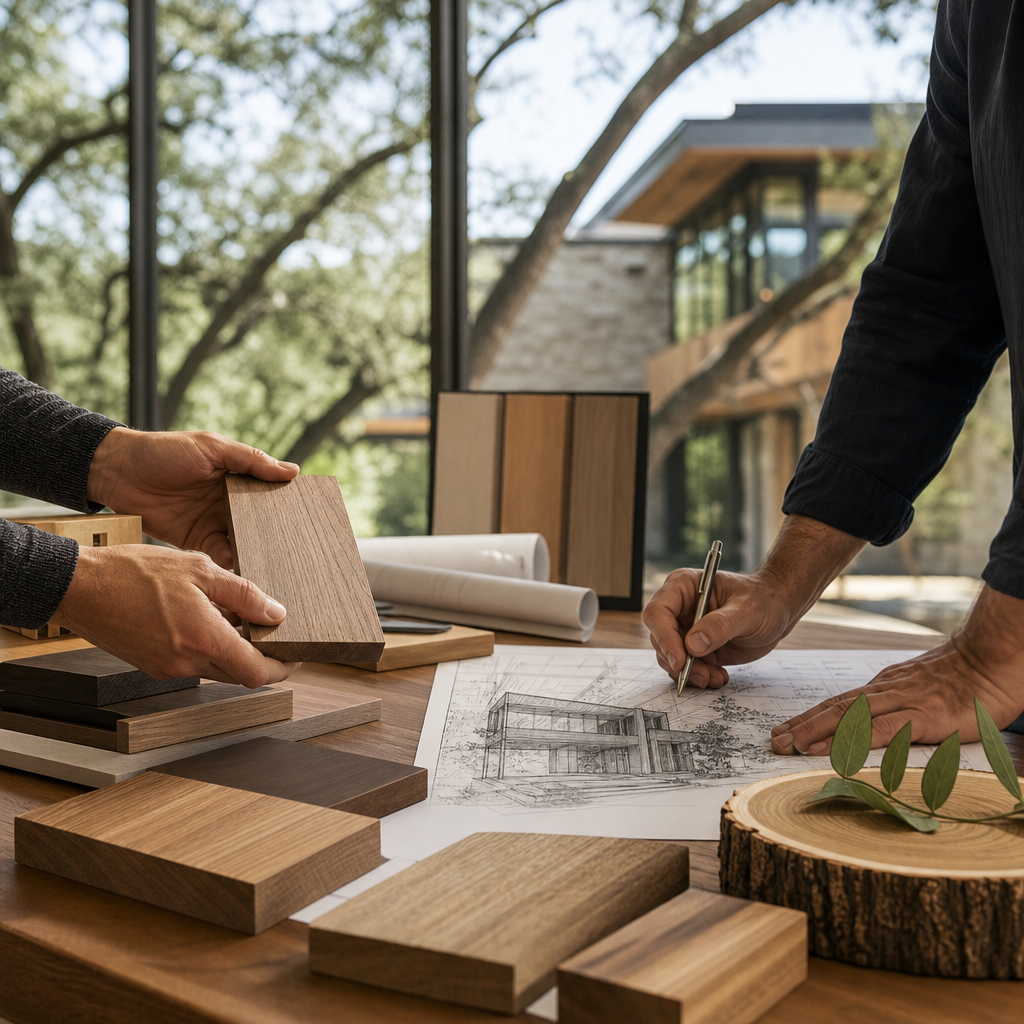
Another project combined FSC-certified Ipe decking with thermally modified ash siding, creating sophisticated material layering across a lake-view residence near Austin. The hardwood’s durability and deep grain character justified certification costs while meeting performance demands of waterfront exposure.
Fire-rated projects in areas near the wildland-urban interface increasingly request FSC-certified siding and framing materials. We’ve supplied certified options that meet WUI Class A standards while maintaining chain-of-custody documentation.
These projects share common threads: architects specified early, budgets accommodated certification premiums, and clients valued the environmental credibility FSC certification provided.
Relevant insight: Projects that plan for certified materials from schematic design phase never experience supply surprises or budget shock. Architects who add certification late encounter delays and cost escalation.
Partnering With US Lumber Brokers for Certified Excellence
We’re not merely a lumber supplier. We’re a resource for architects who refuse to compromise between design vision and environmental responsibility.
Our commitment includes maintained FSC CoC certification, active third-party audits, and transparent documentation of every material we sell. We’ve invested infrastructure specifically to serve architects who specify with precision and expect accountability.
Working with us means:
- Direct access to active certification documentation
- Honest conversation about timeline and cost trade-offs
- Proactive problem-solving when supply challenges emerge
- Knowledge of material performance and aging characteristics that inform design decisions
When you specify FSC-certified materials, you’re trusting your supplier to maintain integrity throughout the chain. That trust matters. We take it seriously through every project.
Contact us with your project requirements, material specifications, and timeline. We’ll provide transparent guidance on certification feasibility, lead times, and cost implications. If we can’t meet your needs, we’ll tell you directly rather than oversell capabilities.
For contemporary architecture in Texas that demands both beauty and accountability, certified materials are the only honest choice. We’re here to make that choice feasible and seamless.
To place orders, order samples, or talk with a live person.
Frequently Asked Questions (FAQ)
How do we maintain FSC chain-of-custody certification across our entire supply chain?
We track every piece of certified wood from the moment it enters our inventory through final delivery to your project. Our documentation system records supplier certifications, batch numbers, and material movement at each stage, ensuring complete traceability. We conduct regular audits of our suppliers and internal processes to keep our certification current and compliant with FSC standards.
Which wood species in our inventory carry FSC certification?
We stock FSC-certified options across our primary softwood lines, including Western Red Cedar, Douglas Fir, and Hemlock, plus select hardwoods like Ipe and Cumaru. Our thermally modified wood products also come FSC-certified, giving you sustainable choices for contemporary designs that demand durability and performance. We can specify certified materials for siding, decking, cladding, and timber applications based on your project requirements.
What’s the timeline difference between sourcing FSC-certified versus standard lumber?
We typically require 2 to 3 additional weeks to procure and document FSC-certified materials compared to conventional inventory. The extra time covers supplier verification, documentation review, and chain-of-custody paperwork. We recommend planning your project timeline accordingly, and we’re happy to coordinate with your schedule to ensure certification doesn’t delay your design work.


